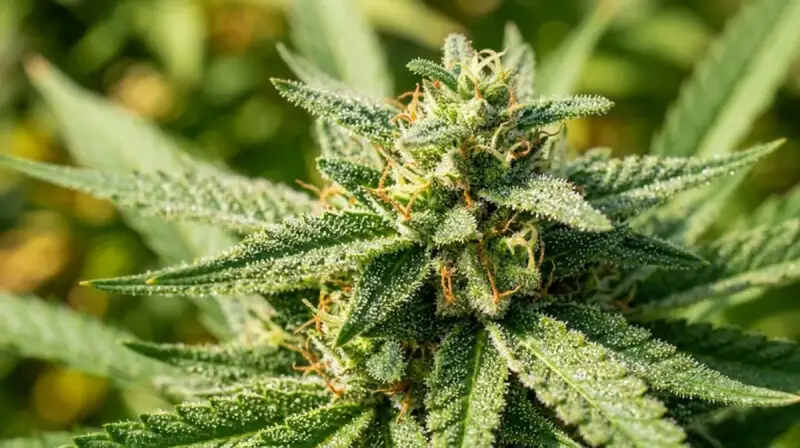
What is Outdoor Cannabis Flower?
Outdoor cannabis flower is cultivated using natural sunlight, outdoor soil, and ambient environmental conditions. Also called sun-grown cannabis, it represents the oldest and most traditional method of cannabis cultivation — the same fundamental approach used for millennia across Asia, the Middle East, and the Americas. In the modern legal market, outdoor cultivation is practiced at scales ranging from small craft farms with a few hundred plants to large commercial operations covering multiple acres.
The defining characteristic of outdoor cultivation is its relationship with natural light. Cannabis is a photoperiodic plant that uses the ratio of daylight to darkness as its primary signal to transition from vegetative growth to flowering. Outdoors, this transition happens naturally as summer days shorten in late July and August. The full spectrum of sunlight — including UV-B radiation that artificial lighting imperfectly approximates — drives secondary metabolite production including rare terpenes and minor cannabinoids that contribute to the entourage effect. Compare sun-grown effects to those of premium indoor flower in our side-by-side cultivation guide.
Premium outdoor cannabis from established growing regions carries what wine enthusiasts call terroir — a distinctive flavor and effect character shaped by the specific soil chemistry, water source, climate, and microbial ecosystem of a particular growing location. Humboldt County, Mendocino County, and the broader Emerald Triangle of Northern California have developed an international reputation for producing sun-grown cannabis with a depth of character that dedicated indoor cultivation struggles to replicate. Understand the legal landscape for outdoor grows in your state with our state cannabis guide.
How Outdoor Cannabis is Grown
Commercial outdoor cannabis operations typically begin in spring when nighttime temperatures reliably stay above 50°F. Plants are started from seed or clone indoors under lights in February or March, then hardened off and transplanted to the field in May or June. Throughout the summer vegetative phase, plants grow rapidly under long days, potentially reaching 10-15 feet in height for photoperiodic varieties given sufficient root space and nutrition.
As summer solstice passes and days shorten through July, the plant’s hormonal signaling shifts and the flowering phase begins spontaneously. By late August, bud development is well underway, and most indica-dominant cultivars complete their flowering cycle by late September to mid-October. Some sativa-leaning varieties finish as late as November. The harvest window is often just 7-14 days per cultivar, meaning outdoor operations must be highly organized to process large volumes of flower at peak ripeness.
Post-harvest handling is especially critical for outdoor flower, which often arrives at processing facilities with higher moisture content and larger volume than indoor harvests. Slow drying in humidity-controlled barns, careful machine or hand trimming, and extended curing are what separate premium outdoor brands from commodity sun-grown production. Always check the packaging date — fresh outdoor from a recent harvest delivers a fundamentally different experience than outdoor that has been sitting in a distribution warehouse for 9 months. For an affordable entry into the concentrate category, outdoor flower is also the primary material for many kief and bubble hash products.
How to Use Outdoor Cannabis Flower
Outdoor flower is consumed through the same methods as any cannabis flower: smoking in a pipe, bong, or rolled joint, or vaporization in a dry herb vaporizer. Because outdoor buds are typically larger and less uniform in shape than indoor flower, they benefit from a quality grinder to ensure even burn and consistent pack density. The larger bud structures of outdoor cannabis also tend to produce more stems and leaf material per gram, which is worth accounting for when comparing gram-for-gram value at the dispensary.
Many experienced consumers specifically prefer outdoor flower for social and daytime consumption — the complex, earthy, multi-layered terpene profiles of premium sun-grown cannabis tend to produce nuanced, whole-plant effects that pair well with outdoor activities, creative work, and extended conversations. The lower THC ceilings of outdoor (typically 14-26% versus 22-33% for top-shelf indoor) also make it a more forgiving starting point for newer consumers calibrating their tolerance. For detailed dosing advice applicable to any flower format, see our dosing guide.
Outdoor Cannabis vs Indoor and Greenhouse
Outdoor cannabis wins decisively on price and terpene complexity. For consumers who prioritize value, volume, or the distinctive character of sun-grown cannabis, outdoor is the clear choice. The seasonal availability creates a fresh-product window from November through spring where quality is at its peak.
Indoor flower wins on visual consistency, bud density, and year-round availability. Greenhouse cultivation is the practical middle ground for producers seeking consistent quality with lower operational costs than full indoor. The best dispensaries carry all three tiers and price them accordingly — knowledgeable budtenders can guide you toward outdoor gems that outperform their price point based on specific farm and cultivar quality. See how outdoor stacks up for making dabs vs flower comparisons.
What to Look for When Buying Outdoor Cannabis
The most important variables when purchasing outdoor cannabis are producer reputation, harvest date, and terpene content. Look for farms with named cultivars, published harvest dates, and Certificates of Analysis showing terpene content above 1.0-1.5%. Outdoor flower from quality Emerald Triangle farms regularly tests at 1.5-3% total terpenes with complex profiles featuring myrcene, caryophyllene, pinene, and rare sesquiterpenes not commonly found in indoor products.
Visually, expect outdoor buds to be less uniform than indoor — larger, sometimes airy or irregular in shape, with more natural color variation. This is not a quality defect; it is the visual signature of natural growth patterns. What matters is trichome coverage (visible frost even on outdoor is a quality indicator), absence of seeds, clean trim, and the aroma upon opening the jar. Avoid outdoor that smells like hay or wet grass — this indicates improper drying or insufficient curing time. Check our Gorilla Glue #4 and Blue Dream guides for cultivars that perform particularly well as outdoor grows.