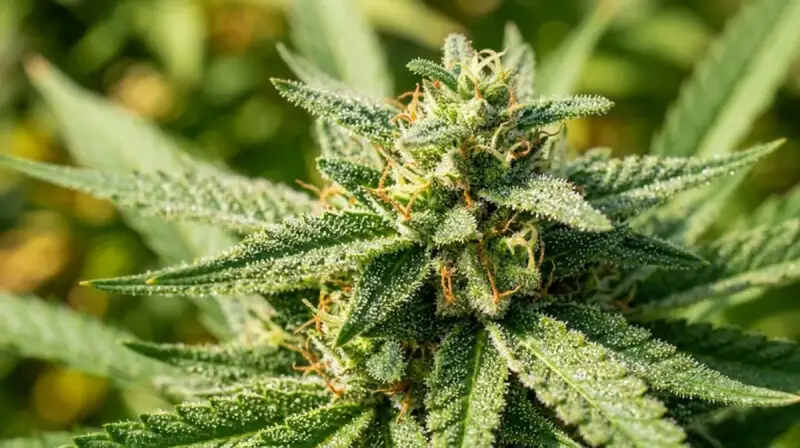
What is Greenhouse Cannabis Flower?
Greenhouse cannabis flower is grown in enclosed or semi-enclosed glass or polycarbonate structures that transmit natural sunlight while providing protection from wind, rain, pests, and extreme temperature fluctuations. The greenhouse structure allows cultivators to extend the growing season, manage humidity and temperature more precisely than fully outdoor growing allows, and in many cases manipulate the photoperiod using blackout curtain systems (light deprivation) to trigger flowering on a controlled schedule.
Greenhouse cultivation represents a strategic middle path between the high operational costs of fully artificial indoor growing and the seasonal limitations and weather vulnerability of traditional outdoor production. For cannabis businesses operating at scale, greenhouse offers a compelling economic model: lower energy costs than indoor (no artificial lighting required during daylight), better quality control than outdoor (weather protection, climate management), and multiple harvest cycles per year via light deprivation technique.
For consumers at the dispensary, greenhouse flower occupies the middle shelf — typically priced between outdoor and indoor, delivering quality that often approaches or matches indoor at 20-40% lower cost. Understanding what separates premium greenhouse production from commodity “sun grown” labeling helps you find exceptional value among cannabis product options.
How Greenhouse Cannabis is Grown
Modern cannabis greenhouse facilities range from simple Quonset hoop houses covered in polyethylene film to sophisticated Venlo-style glass greenhouses with automated environmental controls rivaling full indoor facilities. High-end greenhouse operations incorporate automated blackout curtain systems for light deprivation, supplemental LED lighting for cloudy day production, CO2 injection, climate-controlled HVAC, and automated fertigation systems.
Light deprivation is the technique that most distinguishes premium greenhouse production from standard outdoor growing. By deploying blackout curtains at a precise time each afternoon — typically around 6 PM — operators reduce the perceived photoperiod to 12 hours of light and 12 hours of darkness, which triggers the cannabis plant’s flowering response regardless of the actual season. This allows cultivators in California, Colorado, or Oregon to run 3-4 harvest cycles per year rather than a single fall harvest, maintaining supply throughout the year with fresh, recently harvested product.
The best greenhouse operators supplement natural light with LEDs on overcast days, use automated irrigation with precise nutrient management, and implement integrated pest management programs without synthetic pesticides. Post-harvest, premium greenhouse flower receives the same careful slow-drying and curing treatment as top-shelf indoor — this handling stage is where many greenhouse operations differentiate themselves from commodity production. For related products derived from greenhouse-grown material, see our bubble hash guide and kief guide.
How to Use Greenhouse Cannabis Flower
Greenhouse flower is consumed identically to any cannabis flower — smoked in a pipe, bong, or joint, or vaporized in a dry herb device. Its value proposition makes it especially popular for everyday, high-frequency consumption where the price of premium indoor would become unsustainable. Many regular cannabis consumers purchase greenhouse as their daily driver while reserving indoor for special occasions or specific strain experiences only available from top-shelf cultivators.
Light dep greenhouse flower, in particular, tends to have a terpene complexity that bridges outdoor earthiness and indoor precision. The combination of natural sunlight (with its full UV spectrum) and climate management often produces unexpected depth in the flavor profile — profiles that change and develop as a bowl is smoked in a way that precisely controlled indoor sometimes lacks. For understanding how these terpene differences translate to relaxation effects or potency comparisons, our effects guides provide detailed context.
Greenhouse Cannabis vs Indoor and Outdoor
Greenhouse excels as the value-quality balance point of the three cultivation categories. For consumers who find indoor pricing unsustainable and outdoor quality inconsistent, greenhouse from quality operators provides reliable, lab-tested product at reasonable prices throughout the year. The multi-harvest cycle of light dep greenhouse also means fresh product is more consistently available than seasonal outdoor flower, which is freshest in winter and declining in quality by summer.
Compared to indoor, greenhouse flower typically lacks the extreme bud density, visual uniformity, and trichome coverage ceiling that the best indoor achieves. Compared to outdoor, greenhouse flower is more consistent harvest-to-harvest, has better moisture and pest control, and is available in fresh form throughout more of the year. The choice comes down to budget, priorities, and access to quality producers in each tier within your local market. Also see our dabs vs flower comparison for how greenhouse material performs as the base for concentrate production.
What to Look for When Buying Greenhouse Cannabis
Attribution is the most important variable when buying greenhouse cannabis. Look for a named farm or cultivator on the label rather than generic “sun grown” or “greenhouse” branding from a large commercial producer. Craft greenhouse operations that publish harvest dates, terpene COAs, and cultivation method details are the ones producing the genuine value proposition that makes greenhouse compelling.
Request the Certificate of Analysis and look for total terpenes above 1.0-1.5% with specific compounds identified. Check the harvest date — greenhouse flower degrades in quality just like indoor and outdoor, and a product harvested 8+ months ago will disappoint regardless of its cultivation method. Visually, quality greenhouse should show visible trichomes, clean trim, and bright color without seeds or visible mold. Aroma should be distinct and strain-specific, not generic or vegetal. Compare against OG Kush or Blue Dream terpene benchmarks to calibrate your assessment.