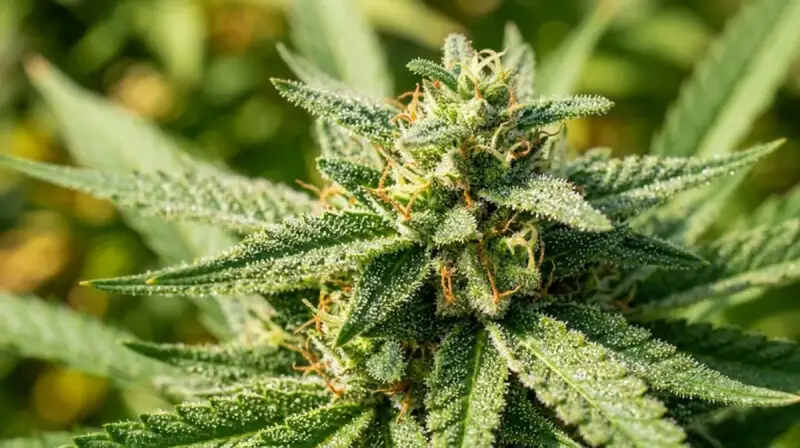
What is Indoor Cannabis Flower?
Indoor cannabis flower is cultivated entirely within purpose-built enclosed facilities using artificial lighting, HVAC climate control, and carefully managed nutrition and irrigation programs. Unlike outdoor cultivation, indoor growing removes all dependence on seasonal light cycles and ambient weather, allowing growers to maintain exact temperature (70-80°F), humidity (40-60% RH during flower), CO2 concentration (1000-1500 ppm), and lighting spectrum year-round. This level of environmental precision is the primary reason indoor flower consistently commands the top shelf at dispensaries.
The controlled environment enables growers to run 8-10 week flower cycles on a continuous basis regardless of season or geography. Multiple overlapping cultivation rooms allow commercial producers to harvest every few weeks, ensuring a steady supply of fresh, consistently produced product. For consumers, this means the same indoor cultivar purchased in January and July should deliver nearly identical quality — a consistency that is simply not achievable with seasonal outdoor or greenhouse production. Explore how potency varies between cultivation methods in our high-THC effects guide.
How Indoor Cannabis Flower is Grown
Premium indoor cannabis facilities use either LED (light-emitting diode) or HID (high-intensity discharge, typically HPS or CMH) lighting systems. Modern quantum board LED arrays from manufacturers like HLG, Spider Farmer, and California Lightworks provide the full photosynthetic active radiation (PAR) spectrum with dramatically lower heat output and electricity consumption than traditional HPS systems. Some boutique cultivators still prefer double-ended HPS for its intense PPFD (photosynthetic photon flux density) output during the flowering stage, believing it maximizes resin gland production.
Training techniques like low-stress training (LST), screen of green (SCROG), and selective defoliation are used to optimize light penetration throughout the canopy, ensuring lower bud sites receive adequate light and develop to their genetic potential. Growing media ranges from soil (often amended with perlite, worm castings, and mycorrhizal fungi) to coco coir hydroponic systems to fully automated aeroponic or deep water culture setups where roots are suspended in nutrient solution. Each medium has trade-offs between flavor expression, growth rate, and operational complexity.
The final weeks before harvest — called the flush or finishing period — involve reducing or eliminating supplemental nutrients to allow the plant to metabolize stored mineral salts, which improves the smoothness and cleanliness of the final smoke. After harvest, premium indoor flower is slow-dried at 60°F and 60% RH over 10-14 days, then cured in sealed containers for 4-8 weeks before being trimmed and packaged for the dispensary. This process, more than any other factor, separates luxury indoor flower from commodity production. For context on how flower compares to processed cannabis products, see our concentrates overview.
How to Identify Quality Indoor Cannabis at a Dispensary
True top-shelf indoor flower has a distinctive visual and aromatic signature. Bud structure should be tight, symmetrical, and dense without being rock-hard (which can indicate compressed packaging or improper cure). Trichome coverage should be visible to the naked eye — a frosty, crystalline coating over the entire bud surface, calyxes, and sugar leaves. Color should be vivid, often featuring multiple hues from deep forest green to purple, orange, or even red pistils depending on the cultivar.
Aroma is the most reliable quality indicator short of lab data. Open the jar if possible (or ask the budtender to describe the smell) and look for complexity, intensity, and distinctiveness. A high-quality indoor cultivar smells unmistakably like itself — not a generic “cannabis” smell, but a specific profile: gassy, fruity, floral, earthy, or some nuanced combination. Weak or generic aroma indicates terpene loss from poor curing, over-drying, or extended shelf time. Always verify the drug testing implications of purchasing high-THC indoor flower, particularly for workplace environments.
Indoor Cannabis vs Outdoor and Greenhouse
The debate between indoor, outdoor, and greenhouse flower is ultimately about priorities. Indoor excels in consistency, visual appeal, and terpene density — it is the premium product for consumers who want the most reliably excellent dispensary experience and are willing to pay $50-$70+ per eighth for it. The controlled environment produces bud structure, color, and trichome coverage that outdoor simply cannot match.
Outdoor-grown flower offers a compelling counter-argument: sun-grown cannabis benefits from the full spectrum of natural sunlight (which LEDs approximate but cannot perfectly replicate), develops a broader range of secondary metabolites including rare minor cannabinoids and terpenes not expressed under artificial light, and costs significantly less per gram. Experienced connoisseurs often prefer the complexity and earthiness of premium outdoor from quality farms in regions like Humboldt County, CA. Greenhouse cultivation sits between these two extremes, blending natural light benefits with weather protection and partial climate control at an intermediate price point.
What to Look for When Buying Indoor Cannabis Flower
Beyond visual and aromatic assessment, always request the Certificate of Analysis from a licensed third-party testing laboratory. Look for total terpene content above 1.5% — premium indoor often shows 2-4% total terpenes with specific compounds identified. THC potency in the 22-30% range combined with a rich terpene profile consistently outperforms a 32% THC product with minimal terpenes in real-world experience.
Ask for the harvest and packaging date. Premium indoor flower loses terpene content at roughly 15-20% per month after packaging. Flower packaged more than 6 months ago, regardless of how it was grown, will deliver an inferior experience to fresh product. Look for brands that print cultivation and packaging dates prominently — this transparency signals confidence in their product. Compare indoor options across our OG Kush, Blue Dream, and Gorilla Glue #4 strain guides for cultivar-specific buying advice.