










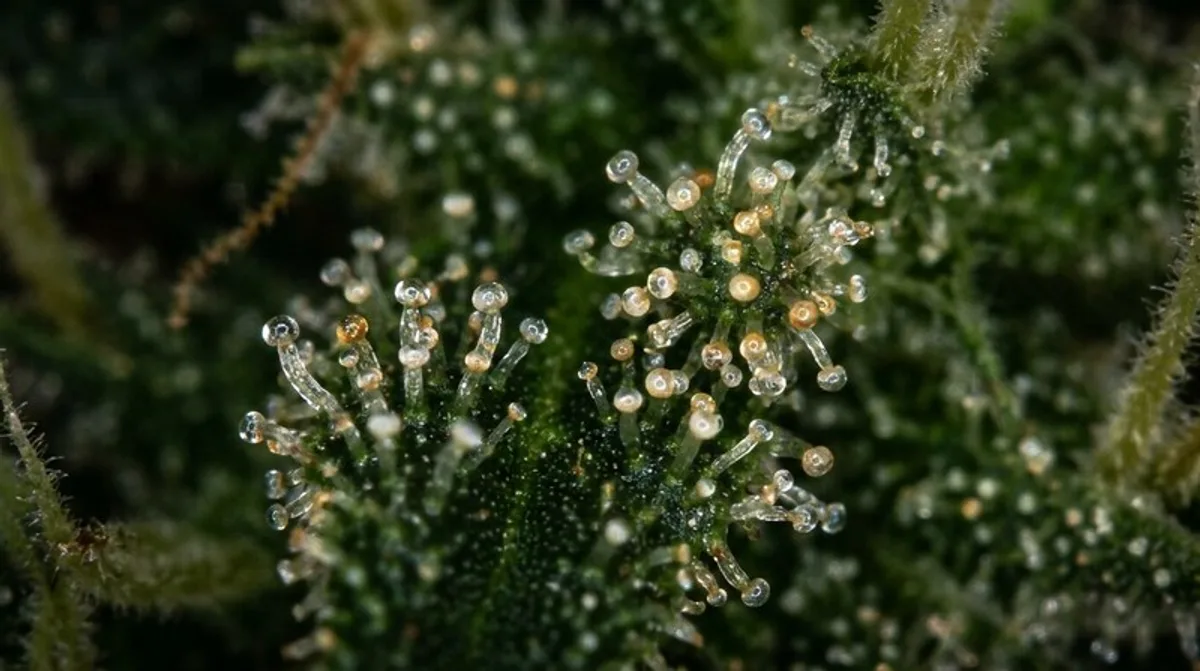
Dabs vs Flower: Everything You Need to Know
The debate between cannabis concentrates (dabs) and traditional flower represents one of the most significant choices in modern cannabis consumption. These two methods deliver radically different potency levels, onset experiences, cost structures, and health profiles. This complete guide covers every dimension so you can make a fully informed decision.
- Dabs (Concentrates): Extracted cannabis oil (BHO, rosin, live resin, wax, shatter) — 60–90% THC, consumed via a dab rig or e-nail.
- Flower: Traditional cannabis buds — 15–30% THC, consumed via pipe, bong, joint, blunt, or dry herb vaporizer.
- Potency Gap: Dabs deliver 3–6x more THC per dose than flower — a critical difference for dosing, tolerance, and safety.
- Not for Beginners: Dabs are entirely inappropriate for cannabis newcomers. Flower is always the right starting point.
- Health Note: Low-temperature dabbing eliminates combustion byproducts; high-temperature dabbing creates new risks. Flower smoking creates combustion byproducts regardless of temperature.
- Cost: Concentrates cost more per gram but cost less per effective dose for high-tolerance users.
- Accessibility: Flower is universally available; dabbing requires specialized, more expensive equipment.
What Are Dabs? Understanding Cannabis Concentrates
Dabs is the informal term for cannabis concentrates — highly refined extracts of cannabis resin that contain dramatically higher concentrations of cannabinoids (primarily THC) than traditional flower. The process of consuming concentrates by vaporizing them on a heated surface is called “dabbing.” The name comes from the tiny amount — literally a dab — of concentrate required per session.
Cannabis concentrates are produced through several different extraction methods, each producing a distinct consistency and flavor profile. BHO (Butane Hash Oil) extraction uses pressurized butane to strip resin from cannabis plant material, yielding products like shatter, wax, crumble, and budder depending on post-processing technique. Rosin is produced entirely without solvents using heat and pressure applied directly to cannabis flower or hash — a method preferred by consumers seeking the cleanest possible product. Live resin is produced by flash-freezing freshly harvested cannabis before extraction, preserving the full terpene profile of the living plant for dramatically superior flavor and entourage effects. Distillate undergoes multiple refinement passes that strip nearly everything except THC, producing an extremely potent (80–95% THC) but flavorless oil that is commonly used in vape cartridges.
Side-by-Side Comparison
| Criteria | Dabs (Concentrates) | Flower (Buds) |
|---|---|---|
| THC Concentration | 60–90%+ | 15–30% |
| Onset Time | 2–10 minutes | 5–15 minutes |
| Effect Duration | 1–3 hours | 1.5–3 hours |
| Required Equipment | Dab rig, nail/banger, torch or e-nail | Pipe, papers, bong, or dry herb vaporizer |
| Equipment Cost | $50–500+ for quality setup | $5–100 for basic to quality setup |
| Product Cost | $30–80/gram concentrate | $8–20/gram flower |
| Cost Per Dose | Lower (very small amounts needed) | Higher relative to potency delivered |
| Combustion | None (vaporization) | Yes (when smoked) |
| Odor | Moderate — dissipates faster than smoke | Strong — lingers significantly |
| Tolerance Impact | Builds rapidly — significant concern | Builds moderately with regular use |
| Beginner Suitable? | No — extreme potency risk | Yes — with low-THC strains |
| Entourage Effect | Excellent in live resin/rosin | Full spectrum in whole flower |
Types of Concentrates: Which Dab Products Are Available?
The cannabis concentrate market has expanded dramatically in legal US states, offering a wide range of products at different price points, potency levels, and extraction qualities. Understanding the main concentrate types helps consumers choose products that match their priorities.
| Concentrate Type | THC % | Consistency | Flavor | Method |
|---|---|---|---|---|
| Shatter | 70–90% | Hard, glass-like | Mild | BHO |
| Wax | 65–85% | Soft, opaque | Moderate | BHO |
| Crumble | 60–80% | Dry, crumbly | Moderate | BHO |
| Live Resin | 55–80% | Sauce/sugar | Excellent | BHO (fresh-frozen) |
| Live Rosin | 60–85% | Budder/sauce | Premium | Solventless |
| Distillate | 85–95% | Clear oil | Neutral | Distillation |
| THCA Diamonds | 90–99% | Crystalline | Low (pure THC) | Crystallization |
Potency & Dosing: The Most Critical Difference
The potency gap between concentrates and flower is the most important practical difference for cannabis consumers to understand. This is not a marginal difference — a typical dispensary flower might test at 20% THC, while a live resin concentrate from the same strain tests at 75% THC. That is a 3.75x potency difference per gram of product. For consumers accustomed to dosing with flower, this means a dab the size of a grain of rice can deliver the equivalent cannabinoid load of an entire bowl packed with quality flower.
This extreme potency has important practical implications. First, concentrate consumers build tolerance significantly faster than flower consumers — regular dabbers often find that flower no longer produces meaningful effects after sustained concentrate use, requiring extended tolerance breaks to reset. Second, over-consumption is far more likely with concentrates, particularly for inexperienced users, due to the extremely fast onset (dabs can produce effects within 2 minutes) and intensity that can escalate dramatically before the user realizes they have taken too much.
Effective dosing with concentrates requires a fundamentally different approach than flower. Experienced dabbers typically recommend starting with a rice-grain-sized amount (approximately 0.05–0.1 grams) on a cooled nail and waiting at least 10 minutes before assessing the effect. Unlike flower, where the bowl runs out naturally and limits accidental over-consumption, concentrates require active dose discipline.
Health Considerations: What the Evidence Says
Both dabbing and smoking flower carry health considerations that informed consumers should understand before making consumption choices. The relative safety comparison between the two methods is more nuanced than either proponents of concentrates or advocates of traditional flower often acknowledge.
Dabbing and Respiratory Health: The primary argument in favor of dabbing from a respiratory health perspective is the elimination of combustion. Smoking cannabis flower produces many of the same combustion byproducts as smoking tobacco — tar, carbon monoxide, carcinogens from burning plant material, and particulate matter. These combustion byproducts are associated with chronic bronchitis, respiratory irritation, and lung function changes in heavy long-term smokers.
Low-temperature dabbing (below 450°F / 232°C) vaporizes cannabis oil without combustion, producing vapor with significantly fewer harmful byproducts than smoke. Studies have found that properly temperature-controlled vaporization of cannabis produces substantially fewer toxicants than smoking. However, high-temperature dabbing — common among users who prefer larger, more visible vapor clouds — generates its own concerning compounds including degradation products of terpenes and cannabinoids at very high temperatures.
Potency and Mental Health Considerations: The most significant health concern specific to concentrates is not respiratory but psychiatric. Regular exposure to extremely high THC concentrations accelerates tolerance development and is associated with a higher risk of cannabis use disorder, particularly in users who dab daily. Research suggests that high-potency cannabis products carry greater risks for anxiety disorders and psychosis vulnerability in genetically predisposed individuals than moderate-potency flower. This does not mean concentrates are categorically dangerous, but it does mean that honest risk assessment must account for potency in addition to delivery method.
Cost Analysis: Which Is More Economical?
The cost comparison between concentrates and flower depends heavily on your consumption frequency and tolerance level. Here is a realistic breakdown across different user profiles.
| Consumer Profile | Monthly Flower Cost | Monthly Dab Cost | Better Value |
|---|---|---|---|
| Casual (1–2x/week) | $20–50 | $30–70 (incl. rig amortized) | Flower |
| Regular (4–5x/week) | $80–180 | $60–140 | Roughly equal |
| Heavy (daily, high tolerance) | $200–400+ | $100–250 | Dabs |
The cost-per-effective-dose advantage of concentrates grows with tolerance. For heavy consumers who require increasing amounts of flower to achieve the desired effect, concentrates can provide a more cost-effective solution — though this calculation must be weighed against the accelerated tolerance building that concentrates themselves cause, creating a challenging feedback loop for daily users.
Discretion & Accessibility
Flower Discretion: Cannabis flower is one of the most recognizable and pungent-smelling substances consumed in recreational contexts. Smoking flower produces visible smoke and a strong, lingering odor that is immediately identifiable. This makes flower consumption notably less discreet than concentrates in situations where odor management matters. Dry herb vaporizers reduce odor significantly compared to smoking, making them a middle-ground option for flower consumers who need more discretion.
Dab Discretion: Dabbing requires a specialized glass rig, quartz banger, and either a butane torch or an electronic nail (e-nail) — none of which are particularly portable or discreet. The equipment is bulky, setup takes time, and the entire process is obviously cannabis-related to any observer. The vapor produced, however, dissipates more quickly and leaves less lingering odor than flower smoke, giving dabs a paradoxical advantage in post-session discretion despite the obvious setup.
Accessibility: Flower remains the most universally accessible cannabis format in every legal US market — available as eighths, grams, quarter ounces, half ounces, and ounces at virtually every dispensary. Entry-level flower consumption requires nothing more than a paper or a basic pipe costing a few dollars. Dabbing, by contrast, requires an initial hardware investment of at minimum $50–100 for a functional entry-level setup, and quality setups typically cost $150–400. This hardware barrier makes flower the practical choice for casual or infrequent consumers.
Tolerance & Long-Term Use Considerations
One of the most practically significant differences between regular flower use and regular dabbing is the rate of tolerance development. Cannabis tolerance builds through the downregulation of CB1 receptors in the brain in response to sustained THC exposure. The higher and more consistent the THC exposure, the faster and more dramatically this receptor downregulation occurs.
Daily dabbers often report that within weeks or months of switching from flower, they lose the ability to achieve meaningful effects from flower at all. This represents not just a tolerance shift but a fundamental change in how the endocannabinoid system responds to stimulation. Extended tolerance breaks — typically 2–4 weeks of complete abstinence — can reverse this sensitization, but heavy concentrate users often find the break significantly more difficult due to the more pronounced dependency that high-potency daily use creates.
This tolerance dynamic is an important consideration for medical cannabis patients who rely on cannabis for consistent symptom management. Starting with the lowest effective potency — meaning flower or low-potency vape products rather than concentrates — preserves long-term therapeutic efficacy by minimizing tolerance accumulation. Concentrates may be more appropriate for severe or treatment-resistant conditions where high-potency delivery is medically necessary, under guidance from a knowledgeable cannabis clinician.
When to Choose Dabs vs Flower
Choose Dabs If...
- You are an experienced, high-tolerance user
- You need maximum potency for severe pain
- You want to minimize combustion and smoke exposure
- You are interested in premium terpene expression
- You are a regular, daily consumer
- You appreciate the craft of concentrate production
Choose Flower If...
- You are new to cannabis or have low tolerance
- You want the most accessible, affordable entry point
- You prefer the full-spectrum plant experience
- You want to manage tolerance carefully over time
- You value variety across strains and aromas
- You do not want to invest in specialized equipment
About the Author
Jordan Price covers cannabis consumption methods, concentrate science, and health considerations for ZenWeedGuide, helping US consumers make informed choices in the modern legal cannabis market.
Frequently Asked Questions
Explore more cannabis consumption comparisons:
Vape Pen vs Cartridge | Vaping vs Smoking | Edibles vs Smoking