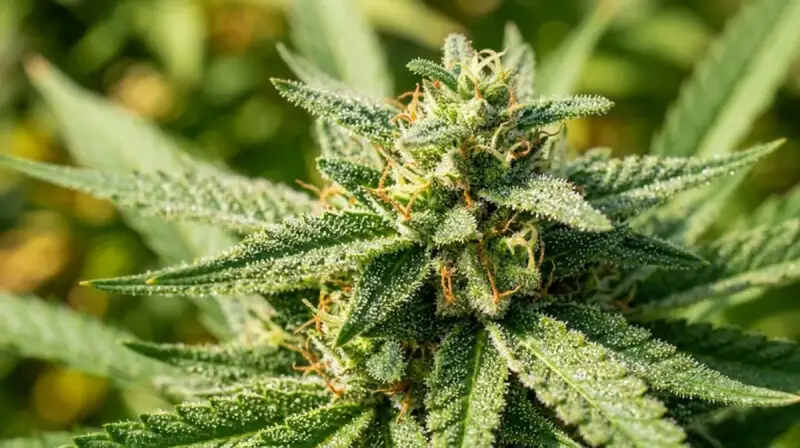
Medical cannabis refers to the use of cannabis plant compounds — primarily THC, CBD, and their combinations — to treat or manage specific health conditions. Unlike general recreational use, medical applications are evaluated against clinical evidence: controlled trials, observational studies, and regulatory approvals. This section covers what the science actually shows, condition by condition.
Two FDA-approved cannabis-derived medications are in widespread use: Epidiolex (CBD for epilepsy) and Marinol/Syndros (synthetic THC for nausea and appetite loss). Sativex (THC:CBD nabiximols) is approved in the UK and Canada for MS spasticity. These approvals represent the strongest evidence tier.
Medical Disclaimer
This content is for educational purposes only. It does not constitute medical advice and should not replace consultation with a qualified healthcare provider. Cannabis interactions with medications can be significant. Always discuss with your doctor before using cannabis for any medical condition.
Understanding Evidence Levels
| Evidence Level | What It Means | Example |
|---|---|---|
| Strong | Multiple RCTs + FDA/regulatory approval | CBD for epilepsy (Epidiolex) |
| Moderate | Multiple studies, consistent results, no full approval | Cannabis for chronic pain, PTSD |
| Limited | Small studies, mixed results, needs more research | Cannabis for glaucoma, ADHD |
| Emerging | Early-phase research, animal models, anecdotal reports | Cannabis for Alzheimer’s, Crohn’s |
Conditions: Evidence Overview
| Condition | Evidence | Best Cannabinoid | Key Note |
|---|---|---|---|
| Epilepsy | Strong | CBD | Epidiolex FDA-approved for Dravet & LGS |
| MS Spasticity | Strong | THC:CBD (Sativex) | Sativex approved UK, Canada, EU for MS |
| Nausea / CINV | Strong | THC (Marinol) | FDA-approved synthetic THC for chemo nausea |
| Chronic Pain | Moderate | CBD + THC | Most studied condition; neuropathic pain strongest |
| Anxiety | Moderate | CBD, low-THC | High THC can worsen anxiety; dose-dependent |
| PTSD | Moderate | THC + CBD | Reduces nightmares, hyperarousal; several RCTs |
| Insomnia | Moderate | High myrcene + THC | Reduces sleep onset; long-term data limited |
| Cancer Pain | Moderate | THC + CBD | Adjunct to opioids; appetite and nausea support |
| Arthritis | Limited–Moderate | Topical CBD / CBD | Anti-inflammatory; topical well-tolerated |
| Fibromyalgia | Emerging | Balanced THC:CBD | Patient surveys positive; RCTs limited |
| Glaucoma | Limited | THC | Short-term IOP reduction only; not standalone treatment |
| Alzheimer’s | Emerging | CBD + low THC | Agitation relief in early studies |
| ADHD | Emerging | CBD | Self-medication common; clinical evidence weak |
| Crohn’s Disease | Emerging | CBD + THC | Symptom relief in small trials; remission unclear |
| Depression | Emerging | CBD | Preclinical data promising; human RCTs lacking |
How to Access Medical Cannabis
United States: Medical marijuana cards (MMJ cards) are available in 38+ states. Requirements vary: most require a qualifying condition, a licensed physician recommendation, and state registration. Dispensaries then fulfill orders based on your patient status.
United Kingdom: Cannabis-based medicines are available on prescription via specialist doctors since 2018. Access is limited and mostly private; NHS prescriptions for cannabis remain rare outside epilepsy.
Australia: The TGA regulates medicinal cannabis under the Special Access Scheme. Patients access via GP referral; telehealth clinics have made this significantly more accessible.
CBD: The Non-Psychoactive Medical Option
Cannabidiol (CBD) offers several evidence-backed benefits without the psychoactive effects of THC. It’s the only cannabis-derived compound with full FDA approval (Epidiolex for epilepsy), and shows promise for anxiety, inflammation, and pain. See our CBD for Anxiety and CBD for Pain guides for dosing and evidence details.