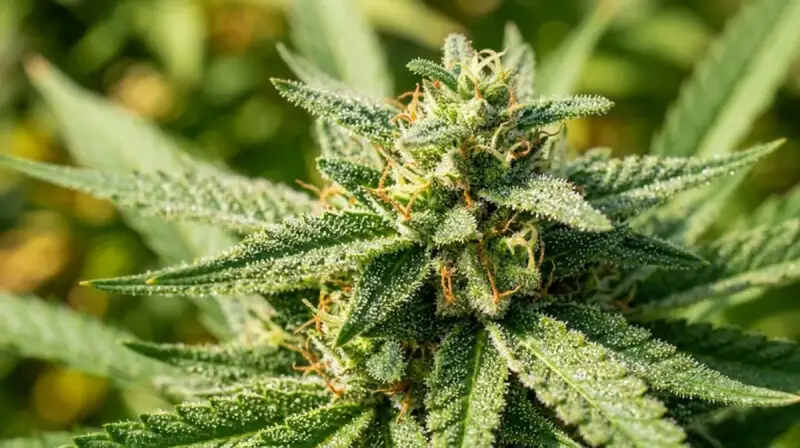
What is Cannabis Flower?
Cannabis flower — also called bud, nug, or simply weed — is the dried and cured reproductive structure of the female Cannabis sativa plant. It is the most traditional, widely available, and bestselling product format at licensed dispensaries across the United States. Flower is consumed by combustion (smoking in a pipe, bong, or rolled joint), vaporization, or as the starting material for homemade infusions and extractions.
The psychoactive and therapeutic properties of cannabis flower come from tiny hair-like structures called trichomes that coat the surface of buds, leaves, and stems. Trichomes are resin glands that produce cannabinoids (THC, CBD, CBG, CBN, and over 100 others) and terpenes (the aromatic compounds responsible for each strain’s distinctive smell and flavor). The density, health, and preservation of trichomes is the single most important indicator of flower quality. Explore our strain database to find specific varieties by effect and terpene profile.
Modern legal cannabis flower is available in three primary cultivation categories: indoor-grown, outdoor-grown, and greenhouse-grown. Each cultivation method produces meaningfully different quality, price, and terpene characteristics. Understanding these differences is essential for navigating a dispensary menu with confidence.
How Cannabis Flower is Cultivated and Cured
Cannabis is a flowering annual plant that completes its life cycle from seed or clone through vegetative growth, flowering, harvest, drying, and curing. The cultivation environment — lighting spectrum, temperature, humidity, CO2 levels, nutrient availability, and root zone conditions — determines the biochemical expression of each cultivar. Premium growers manipulate these variables with precision to maximize trichome production, terpene accumulation, and cannabinoid potency.
After harvest, flower goes through a drying and curing process that is critical to final quality. Freshly harvested cannabis contains up to 80% moisture and high concentrations of chlorophyll that create a harsh, grassy flavor. Slow drying over 10-14 days at controlled humidity (50-60% RH) followed by 2-8 weeks of sealed jar curing allows chlorophyll to break down, moisture to equilibrate, and terpene profiles to mature and deepen. Poorly dried or rushed flower is harsh, loses terpenes quickly, and delivers a significantly inferior experience regardless of its lab-tested THC number.
The post-harvest process — trimming, drying, curing, and packaging — is where premium cultivators separate themselves from commodity producers. When evaluating flower, look for a packaging date within the last 4-6 months, consistent trim, and an aroma that is immediately complex and distinct when the jar is opened. Check our guide to high-THC effects to understand what high-potency flower delivers before purchasing.
How to Use Cannabis Flower
Flower is the most versatile cannabis product format with multiple consumption methods that each produce different experience characteristics. Smoking remains the most common method: ground flower is packed into a glass pipe, ceramic bowl, or water pipe (bong), or rolled into a joint with or without a filter. Onset is typically 5-15 minutes, and effects peak around 30-45 minutes before gradually declining over 1-3 hours.
Vaporization is widely considered the cleanest method for consuming flower. Dry herb vaporizers heat cannabis to temperatures between 170-230°C, releasing cannabinoids and terpenes as vapor without combustion byproducts. This preserves more terpene character, produces less respiratory irritation, and is generally more efficient than smoking. Popular desktop vaporizers include the Storz & Bickel Volcano; portable options include the DynaVap and Mighty+.
For beginners, understanding cannabis dosing principles applies here too: start with one or two small inhalations, wait 15 minutes before consuming more, and allow yourself time to calibrate your response to the specific strain and potency before increasing intake. Cannabis flower effects vary significantly based on the terpene profile, and individual neurochemistry plays a major role in response.
Cannabis Flower vs Alternatives
Flower offers several advantages over processed cannabis products. It is the most transparent product format — the lab-tested cannabinoid and terpene content reflects exactly what you are consuming without additional processing steps. It is also typically the most affordable way to consume cannabis on a per-milligram-of-THC basis, particularly when purchasing mid-shelf or outdoor-grown products. The immediate onset of inhaled flower also makes it ideal for responsive, session-based consumption where users want to control their experience in real time.
Compared to concentrates, flower is less potent per gram and requires combustion or a vaporizer. Compared to edibles, flower has a faster onset and shorter duration. For consumers who prefer not to inhale, tinctures and capsules offer smoke-free alternatives with comparable bioavailability. Each product format has a legitimate use case, and many experienced cannabis users rotate between flower and other formats depending on context and desired experience.
What to Look for When Buying Cannabis Flower
At a licensed dispensary, you typically cannot open product before purchase, so knowing what to evaluate through the packaging and product listing is essential. Terpene content listed on the label is one of the best quality indicators — look for a combined terpene percentage above 1.5%, with specific terpenes like myrcene, limonene, caryophyllene, linalool, or terpinolene listed. A strain with 2-3% total terpenes and 22% THC will typically outperform a 30% THC strain with 0.5% terpenes in real-world effect quality.
Ask to see the Certificate of Analysis (COA) from an accredited third-party lab. This document verifies cannabinoid potency, confirms absence of pesticides, residual solvents, heavy metals, and mold, and is mandatory for all licensed dispensary products. Premium cultivators often include QR codes linking directly to their lab results. Always check the harvest or packaging date — flower older than 8 months is past its peak. For specific strain recommendations, explore OG Kush, Blue Dream, and Gorilla Glue #4.