










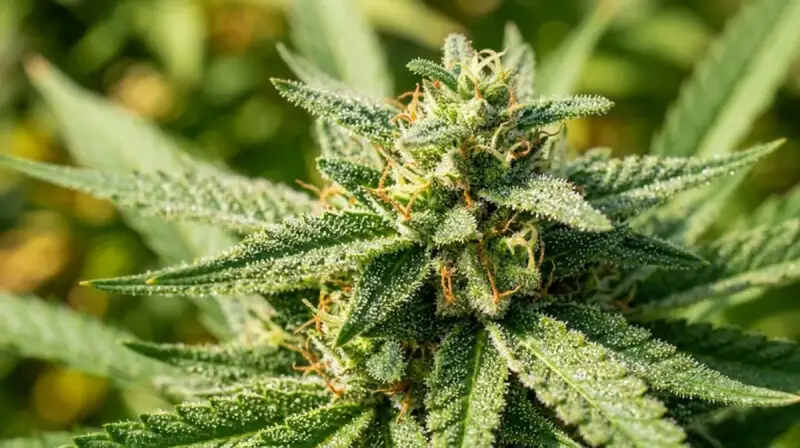
Orange Sherbet: Vibrant Citrus Uplift in a Balanced Hybrid
Orange Sherbet sits in a sweet spot that many cannabis consumers actively seek but rarely find: a strain with a genuinely exceptional, food-grade aroma and flavour profile combined with a balanced, uplifting effect that is positive and social without being overwhelming or anxiety-inducing. The three-parent genetics — Orange Cream, Purple Urkle, and Cherry Pie — each contribute distinct elements to a profile that is simultaneously aromatic, pharmacologically balanced, and visually appealing. It is not a strain built around maximising THC or sedation; it is built around delivering a genuinely enjoyable, approachable hybrid experience.
- Genetics: Orange Cream × Purple Urkle × Cherry Pie (three-way hybrid)
- THC Range: 18–22%
- CBD: <1%
- Top Terpenes: Limonene, Myrcene, Caryophyllene
- Aroma: Orange cream, sweet citrus, cherry-berry, tropical sweetness
- Effects: Uplifting euphoria, happy mood, creative energy, balanced body ease
- Medical Uses: Stress, anxiety, depression, fatigue, appetite
- Growing: Moderate height, colourful buds, 8-9 week flower, moderate difficulty
| Attribute | Detail |
|---|---|
| Type | Balanced Hybrid (50% sativa / 50% indica) |
| Genetics | Orange Cream × Purple Urkle × Cherry Pie |
| THC | 18–22% |
| CBD | <1% |
| Primary Terpenes | Limonene, Myrcene, Caryophyllene |
| Aroma & Flavour | Orange cream, citrus, cherry, berry sweetness |
| Bud Appearance | Colourful — green/purple/orange hairs; dense; moderate trichome coverage |
| Effects | Uplifting, happy, creative, balanced body ease |
| Medical Uses | Stress, anxiety, depression, fatigue, appetite |
| Flower Time | 8–9 weeks |
| Difficulty | Moderate (suitable for intermediate growers) |
| Best For | Afternoon use; social occasions; creative activities; daytime relaxation |
Genetic Background: Three Parents, One Harmonious Profile
Orange Sherbet’s three-parent cross brings together distinct genetic lines in a way that is more harmonious than many multi-parent hybrids. Orange Cream contributes the dominant orange-citrus-cream terpene character and a sativa-leaning, uplifting effect. Purple Urkle, a California indica known for its grape-berry aroma, purple colouration, and deeply relaxing physical effects, introduces the indica body and colour genes. Cherry Pie, itself a cross of Granddaddy Purple and OG Kush-related genetics, adds a cherry-fruit sweetness, a pleasant balanced hybrid effect, and structural compatibility with the other parents.
The result is a strain in which Orange Cream’s bright, citrus-forward aroma is the headline note; Purple Urkle’s indica relaxation provides physical grounding; and Cherry Pie’s balanced hybrid structure ties the components together into a coherent, well-rounded experience. The visual appeal of the combination is also notable: Orange Sherbet buds can express purple, deep green, orange, and amber hues simultaneously, making them some of the most photogenic in the hybrid category.
Cannabinoid and Terpene Profile
Orange Sherbet’s terpene profile is led by limonene, the citrus-dominant terpene that gives the strain its orange cream character. This is complemented by myrcene from the indica parents and caryophyllene for depth and anti-inflammatory activity.
| Terpene | Aroma Contribution | Effect Role | % Range |
|---|---|---|---|
| Limonene | Orange, lemon, citrus cream | Mood elevation; anxiolytic; anti-stress; primary driver of uplifting character | 0.3–0.8% |
| Myrcene | Earthy, musky, tropical | Body relaxation; THC enhancement; provides indica physical balance | 0.2–0.6% |
| Caryophyllene | Spicy, peppery, slightly fruity depth | CB2 agonist; anti-inflammatory; adds complexity and reduces anxiety | 0.2–0.5% |
| Linalool | Floral, slightly sweet | Anxiolytic; from Purple Urkle lineage; contributes smooth onset | 0.1–0.3% |
| Ocimene | Sweet, herbal, tropical | Anti-inflammatory; adds tropical brightness to citrus profile | Trace |
The limonene dominance in Orange Sherbet’s terpene profile is directly linked to its consistently positive, uplifting, and anxiety-moderated effect character. Limonene has been the subject of substantial research for its mood-elevating and anxiolytic properties — it interacts with serotonin and dopamine systems and has demonstrated anti-anxiety effects in animal models that are consistent with clinical reports from cannabis users. The combination of limonene’s mood elevation with caryophyllene’s CB2 calming activity produces a high that is consistently described as happy, positive, and non-anxious even at the upper end of the dosing range.
Effects: Happy, Uplifting, and Socially Engaging
Orange Sherbet delivers a well-balanced hybrid experience that prioritises positive mood, social ease, and gentle physical relaxation over either intense cerebral stimulation or heavy sedation. It is among the most consistently “happy” strains in the hybrid category.
Onset (0–15 Minutes)
Orange Sherbet’s onset is pleasant and relatively gentle. A warm, citrus-laced euphoria establishes itself quickly, accompanied by an uplift in mood and a relaxation of social and mental tension. The orange cream aroma is most vivid in this phase. There is a characteristic brightness to the experience — the world seems slightly more colourful, conversation feels easier, and creative observation sharpens. This is a strain that makes good occasions feel better and difficult moods feel lighter.
Peak (15–90 Minutes)
The peak balances the cerebral uplift with increasing physical comfort. The sativa component maintains mood elevation and mental engagement while the indica genetics (from Purple Urkle and Cherry Pie) introduce a comfortable body ease that grounds the experience without sedating it. At moderate doses, the combination is excellent for social situations, creative activities, outdoor activities, or simply relaxing with music and good company. The appetite stimulation that characterises many cannabis strains begins to emerge at the mid-peak.
At higher doses, the physical component becomes more prominent and the experience shifts toward comfortable relaxation. Full couch-lock is possible at very high doses but not characteristic at moderate levels.
Tail (90–180 Minutes)
The tail of Orange Sherbet is gentle and comfortable. The bright euphoria gradually softens into a warm, content mood with continued physical ease. The comedown is smooth, without the mood crash that some stimulating strains can produce. Sleep is facilitated if desired but not imposed.
Flavour Profile
Orange Sherbet’s flavour is one of its most celebrated attributes. The orange cream character is immediate, genuine, and persistent — not the faint citrus hint of many strains marketing themselves on citrus notes, but a full, rich orange cream experience that is impossible to miss. The Cherry Pie parent adds a cherry-fruit sweetness that layers under the dominant orange note, and the Purple Urkle heritage contributes a subtle berry depth.
On the inhale: bright orange cream with a sweet, tropical citrus forward note. Mid-palate: cherry and berry sweetness emerges. Exhale: a warm, earthy sweetness with a citrus-spice finish from caryophyllene. The overall flavour impression is of an orange sherbet or creamsicle dessert — sweet, fruity, creamy, and genuinely delicious by cannabis standards.
Vaporisation at 170–185°C best preserves the limonene-forward citrus character. Traditional combustion produces a fuller smoke experience with more of the earthy and spicy base notes present. The flavour is strong enough that it easily dominates in bong use as well.
Medical Applications
- Stress: Orange Sherbet is one of the most recommended hybrid strains for stress relief. The limonene-caryophyllene combination delivers fast-acting mood normalisation and tension release without the heavy sedation that can interfere with evening function.
- Anxiety: The limonene dominance and balanced effect profile make Orange Sherbet suitable for anxiety management at moderate doses. The uplifting rather than sedating nature of the primary terpenes avoids the withdrawal-into-self that heavy indica strains can produce in anxious users.
- Depression: The consistently positive, mood-elevating effect makes Orange Sherbet useful for depression management, particularly for users who find heavy sedating strains worsening low energy and motivation.
- Fatigue: The cerebral uplift and mood elevation provide meaningful energy and engagement that is useful for managing fatigue without the jitteriness that pure sativas can produce.
- Appetite Stimulation: Reliable appetite stimulation in the mid-to-late session makes Orange Sherbet useful for nausea and appetite management.
- Headache: Limonene and caryophyllene’s anti-inflammatory properties combined with the mood elevation of the onset phase provide some relief for tension and mild migraine headaches.
Always consult a licensed healthcare provider before using cannabis medicinally. Individual responses vary significantly.
Growing Orange Sherbet
Orange Sherbet is an accessible strain for intermediate growers. Its balanced hybrid structure produces plants of moderate height and density, with a reasonably manageable flowering period. The visually striking bud development — green and purple hues with bright orange pistils — makes it a rewarding strain to grow even before harvest quality is considered.
| Factor | Indoor | Outdoor |
|---|---|---|
| Flowering Time | 8–9 weeks | Late September to early October |
| Yield | Moderate (350–450g/m²) | Moderate to good (350–550g/plant) |
| Height | 80–110cm indoors | 100–150cm outdoors |
| Difficulty | Moderate | Moderate |
| Climate | 22–27°C; humidity 45–55% in flower | Warm, Mediterranean or continental climate |
| Training | Responds well to LST; topping in veg improves lateral branching | Light staking as buds mature; defoliation for airflow |
Purple colouration from the Purple Urkle lineage can be intensified through mild temperature drops (5–10°C) between day and night in the final 2 weeks of flower. This is primarily an aesthetic consideration but is frequently pursued by growers who value the visual appeal of Orange Sherbet’s multi-coloured final buds. Cold snaps that are too severe can stress the plant, so temperature reduction should be gradual rather than abrupt.
The orange aroma development — primarily driven by limonene accumulation — intensifies significantly in the last 10-14 days before harvest. Delaying harvest slightly beyond the point of predominantly cloudy trichomes (targeting 5-10% amber for the best balance of euphoric-and-uplifting versus sedating effects) allows full limonene expression. Over-maturation shifts the terpene profile toward more sedating monoterpene breakdown products and reduces the characteristic orange brightness of the aroma.
Similar Strains
| Strain | THC | Type | Key Comparison |
|---|---|---|---|
| Sherbet (Sunset Sherbet) | 18–24% | Indica-dom. | GSC family; similar dessert profile; more physically sedating; less orange |
| Tangie | 19–22% | Sativa-dom. | Orange dominant; more cerebral and less physical; Tangie parent in many Orange crosses |
| Clementine | 18–23% | Sativa-dom. | Citrus-dominant; more energising; less indica body; Tangie offspring |
| Purple Urkle | 17–20% | Indica | Parent strain; grape-berry dominated; more sedating; less citrus character |
| Royal Cookies | 21–23% | Indica-dom. | Sweet dessert profile; biscuit vs. orange; more sedating; comparable potency |
Jordan Price
Cannabis Cultivation Specialist — ZenWeedGuide
Jordan specialises in cannabis genetics, terpene science, and cultivation techniques. His work covers dessert-profile hybrid breeding, limonene pharmacology, and the California cannabis scene’s influence on modern genetics.
Frequently Asked Questions
Related Guides
Royal Cookies Limonene Guide Myrcene Guide Cannabis for Anxiety Cannabis for Stress Euphoria Effects Drug Testing Guide All StrainsDrug Test Detection Windows
| Test Type | Occasional User | Regular User | Daily User |
|---|---|---|---|
| Urine | 3–7 days | 10–21 days | Up to 30+ days |
| Blood | 1–3 days | 3–7 days | 7–14 days |
| Saliva | 24–72 hours | 3–5 days | Up to 7 days |
| Hair Follicle | Up to 90 days | Up to 90 days | Up to 90 days |
See our full drug testing guide for complete metabolite clearance data.