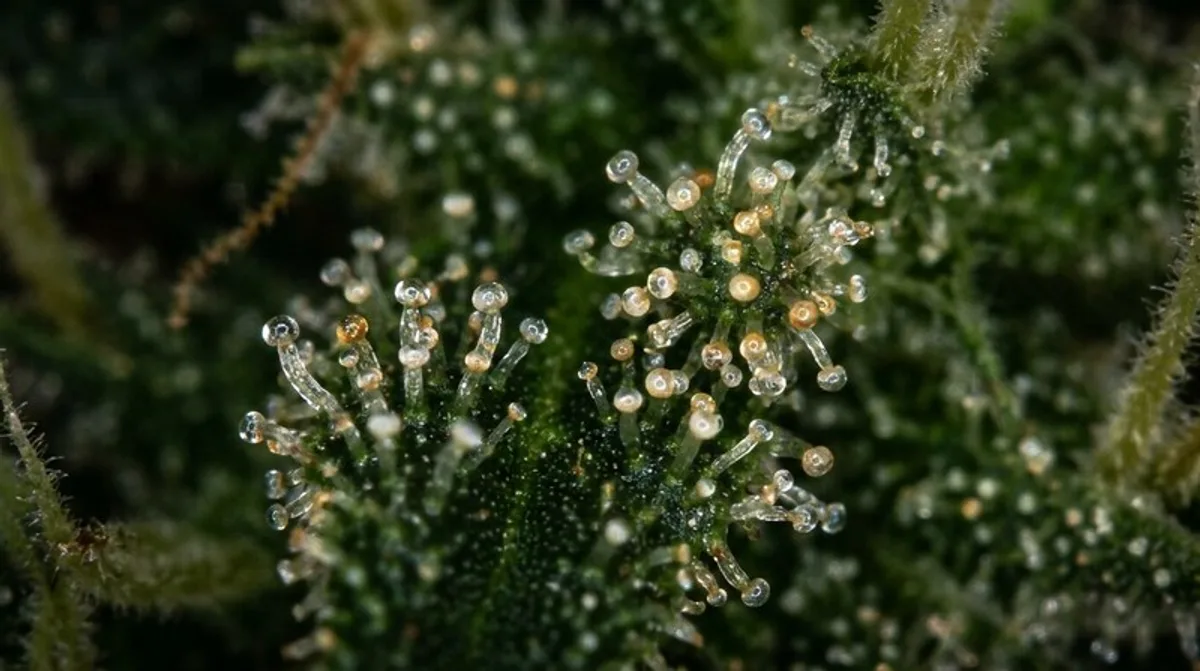
Euphoric Cannabis Effect

CANNABIS EFFECTS

Euphoric Cannabis Effect

Euphoric Cannabis Effect: The Complete Guide

Everything you need to know about cannabis-induced euphoria — the neuroscience behind it, the best strains to achieve it, and how to use it therapeutically and responsibly.

2–10 min
Onset Time (Inhaled)
1–3 hrs
Typical Duration
8 / 10
Average Intensity
Daytime
Best Time of Day
KEY FACTS

What Is the Euphoric Cannabis Effect?

Euphoria is arguably the most iconic and widely sought-after effect of cannabis consumption. Characterized by an intense, pervasive sense of happiness, well-being, and positive emotional elevation, euphoria distinguishes cannabis from most other plants and compounds in the world's pharmacopeia. But what exactly is happening inside your brain when cannabis makes you feel so good?

The answer lies in a deeply conserved biological system called the endocannabinoid system (ECS). Your body naturally produces cannabinoid-like molecules — most notably anandamide (from the Sanskrit word for "bliss") and 2-AG — that bind to cannabinoid receptors throughout the brain and body to regulate mood, pain, appetite, memory, and more. THC (delta-9-tetrahydrocannabinol), the primary psychoactive compound in cannabis, is a near-perfect structural mimic of anandamide. When THC binds to CB1 receptors concentrated in the prefrontal cortex, limbic system, and basal ganglia, it triggers a cascade of neurochemical events that produce the euphoric high most users recognize.

The most critical piece of this puzzle is dopamine. THC indirectly stimulates dopaminergic neurons in the ventral tegmental area (VTA) to release dopamine into the nucleus accumbens — the brain's primary reward hub. This surge of dopamine is the same mechanism underlying the pleasure we feel from great food, music, sex, and social connection. Cannabis essentially amplifies the brain's natural reward circuitry, which explains why even routine activities feel more vivid, meaningful, and enjoyable when you're high.

Beyond dopamine, euphoria is also shaped by THC's interaction with the serotonin system. Research suggests THC can activate serotonin 1A receptors, contributing to its antidepressant and anxiolytic qualities at low to moderate doses. Additionally, the terpene profile of a given strain plays a significant role through the entourage effect — the synergistic interaction between cannabinoids and terpenes. Limonene, a citrus-scented terpene abundant in strains like Lemon Haze and Super Lemon OG, has been shown to elevate serotonin and dopamine levels independently, while terpinolene (found in Jack Herer and Dutch Treat) is associated with uplifting, energetic highs. For a deeper dive into the science, visit our cannabis explainers library.

It's worth noting that CBD (cannabidiol), while non-intoxicating on its own, can modulate the euphoric effects of THC. At balanced ratios, CBD may smooth out the intensity of THC-induced euphoria, reducing the risk of anxiety while preserving positive mood effects — making CBD:THC balanced products increasingly popular among both recreational and medical cannabis users.

"Euphoria is not a side effect of cannabis — for many patients, it is the medicine. The restoration of joy, motivation, and positive outlook is clinically meaningful and should be taken seriously as a therapeutic outcome."

Top Strains for Euphoric Effects

Not all cannabis strains deliver euphoria equally. Genetics, cannabinoid ratios, terpene profiles, and growing conditions all influence how powerfully and reliably a strain elevates mood. The cultivars below have earned the strongest reputation among consumers and strain reviewers specifically for their euphoric qualities. Browse our full strain database to filter by effect.

Strain Type THC % Euphoria Rating Primary Terpenes
Blue Dream Sativa-dominant Hybrid 17–24% ⭐⭐⭐⭐⭐ 9.2/10 myrcene, caryophyllene, pinene
Jack Herer Sativa-dominant Hybrid 18–24% ⭐⭐⭐⭐⭐ 9.0/10 Terpinolene, Ocimene, Caryophyllene
Durban Poison Pure Sativa 20–26% ⭐⭐⭐⭐⭐ 8.9/10 Terpinolene, Myrcene, Ocimene
Green Crack Sativa-dominant Hybrid 16–25% ⭐⭐⭐⭐½ 8.7/10 Myrcene, Caryophyllene, Ocimene
Strawberry Cough Sativa-dominant Hybrid 15–20% ⭐⭐⭐⭐½ 8.5/10 Myrcene, Pinene, Caryophyllene
Sour Diesel Sativa-dominant Hybrid 20–26% ⭐⭐⭐⭐½ 8.4/10 Caryophyllene, Myrcene, Limonene
Pineapple Express Hybrid 19–25% ⭐⭐⭐⭐ 8.1/10 Caryophyllene, Limonene, Ocimene
Super Lemon Haze Sativa-dominant Hybrid 16–22% ⭐⭐⭐⭐ 7.9/10 Terpinolene, Ocimene, Myrcene
Couple enjoying euphoric cannabis effects hiking on a mountain summit with panoramic views
The euphoric cannabis effect pairs naturally with outdoor activities, social bonding, and adventurous experiences — elevating mood and amplifying sensory enjoyment.

Duration & Intensity Guide

Understanding the arc of a euphoric cannabis experience — onset, peak, and comedown — helps you plan your session responsibly and get the most out of it. Timing varies significantly based on consumption method, product potency, individual metabolism, and tolerance level.

Consumption Method Onset Peak Euphoria Comedown Total Duration
Smoking (flower) 2–10 min 20–45 min 60–90 min 1–3 hours
Vaporizing (flower/concentrate) 1–5 min 15–30 min 45–75 min 1–2.5 hours
Edibles (standard dose) 30–90 min 2–4 hours 3–5 hours 4–8 hours
Tinctures (sublingual) 15–45 min 45–90 min 2–3 hours 2–4 hours
Concentrates (dab) Immediate 5–20 min 30–60 min 1–2 hours

Modulating intensity: The single most important factor in controlling euphoria intensity is dose. The relationship between THC dose and euphoria follows an inverted U-curve — low to moderate doses reliably produce pleasant euphoria, while high doses can tip into anxiety, paranoia, or dysphoria, especially in tolerance-naive users. Start with 5–10mg THC for edibles or 1–2 puffs of a moderate-THC flower and wait the full onset period before re-dosing. Consuming CBD alongside THC can modulate intensity without fully eliminating the euphoric effect. Setting also matters enormously: comfortable, familiar, positive environments amplify euphoric experiences, while stressful or unfamiliar situations can dampen or distort them.

For users concerned about how euphoric cannabis experiences might interact with upcoming drug screenings, our comprehensive drug testing guide covers detection windows for all consumption methods and product types.

Medical Applications of Euphoric Cannabis Effects

While recreational users seek euphoria for enjoyment and social enhancement, the therapeutic potential of this effect is increasingly recognized by clinicians, researchers, and medical cannabis patients. Euphoria-inducing cannabis can address several clinical needs that conventional pharmaceuticals often struggle to meet.

Depression and Mood Disorders: Major depressive disorder (MDD) is characterized partly by anhedonia — the inability to feel pleasure. The dopaminergic surge triggered by euphoric cannabis directly counteracts anhedonia, temporarily restoring the capacity for joy and engagement with daily life. While cannabis is not a cure for depression and should not replace evidence-based treatments, many patients report meaningful improvements in…

AK
Senior Cannabis Editor with 9+ years covering US cannabis policy, legalization, and consumer education.