










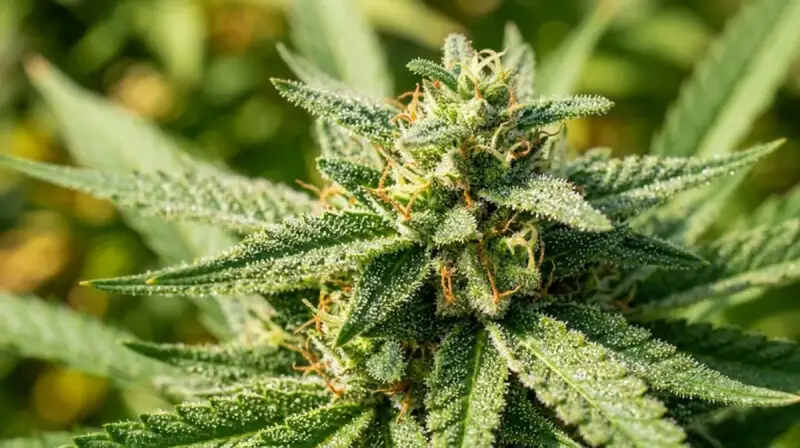
- Dronabinol (Marinol, Syndros) and nabilone (Cesamet) are FDA-approved cannabinoids specifically for chemotherapy-induced nausea and vomiting (CINV).
- THC activates CB1 receptors in the dorsal vagal complex to suppress the nausea and vomiting reflex at the brainstem level.
- CBD also has antiemetic properties via 5-HT3 receptor antagonism — the same mechanism as ondansetron — without psychoactivity.
- Anticipatory nausea (conditioned nausea before chemotherapy) is also reduced by cannabinoids.
- Cannabinoids work as antiemetics when 5-HT3 antagonists (ondansetron, granisetron) have failed.
- Heavy long-term cannabis use can paradoxically cause cyclic vomiting — cannabinoid hyperemesis syndrome (CHS).
- Inhalation provides the fastest antiemetic onset (minutes); useful when nausea prevents oral dosing.
Nausea Physiology: The Vomiting Centre and Chemoreceptor Trigger Zone
Nausea and vomiting are coordinated by two brainstem structures: the vomiting centre (in the lateral reticular formation of the medulla) and the chemoreceptor trigger zone (CTZ, located in the area postrema at the base of the fourth ventricle). The CTZ sits outside the blood-brain barrier, allowing it to detect emetic stimuli in both blood and cerebrospinal fluid.
Chemotherapy drugs trigger nausea primarily through two pathways: direct stimulation of the CTZ via circulating drug metabolites, and indirect stimulation via vagal afferents from the gastrointestinal tract. Serotonin (5-HT) released by enterochromaffin cells in the gut activates vagal afferents, which explains why 5-HT3 antagonists are the first-line antiemetics for CINV.
The endocannabinoid system intersects both pathways. CB1 receptors are present in the dorsal vagal complex (DVC) and nucleus tractus solitarius (NTS), both of which are critical relay stations for the vomiting reflex. Activation of these CB1 receptors suppresses the nausea signal.
Cannabinoid Antiemetic Mechanisms
THC suppresses nausea and vomiting primarily through CB1 receptor agonism in the DVC and NTS. This activation hyperpolarises neurons in the vomiting circuit, reducing the efferent signals that trigger the vomiting reflex. THC also acts on CB1 receptors in the gut to reduce motility and secretion.
CBD has a distinct antiemetic mechanism: it acts as a 5-HT3 receptor antagonist and a 5-HT1A agonist. The 5-HT3 antagonism mirrors the action of ondansetron (Zofran), a standard CINV drug. This non-cannabinoid mechanism means CBD’s antiemetic effect does not produce psychoactivity and may be additive with ondansetron.
Endocannabinoids themselves (particularly anandamide) also suppress nausea via CB1 receptors. Inhibiting FAAH (the enzyme that breaks down anandamide) has antiemetic effects in animal models, suggesting the endogenous system is a legitimate target for nausea management.
FDA-Approved Cannabinoids for Nausea
| Drug | Type | Approval | Indication | Standard Dose |
|---|---|---|---|---|
| Dronabinol (Marinol) | Synthetic THC capsule | FDA 1985 | CINV; AIDS anorexia | 5 mg/m² before chemo; titrate to 15 mg/m² |
| Dronabinol (Syndros) | Synthetic THC oral solution | FDA 2016 | CINV; AIDS anorexia | 4.2 mg/m² oral solution |
| Nabilone (Cesamet) | Synthetic cannabinoid | FDA 1985 | CINV refractory to standard antiemetics | 1–2 mg twice daily |
Both dronabinol and nabilone have been available since the 1980s, predating most of the current cannabis debate. Their approval was based on controlled trials showing superiority to placebo and comparability to metoclopramide for CINV. They remain in clinical use as second-line agents when first-line antiemetics (5-HT3 antagonists, NK1 antagonists) are insufficient.
CINV Evidence
The 2015 Cochrane systematic review of cannabis-based medicines for CINV (Whiting et al.) analysed 28 randomised trials. Key findings: cannabinoids were more effective than placebo for controlling nausea and vomiting, and were at least as effective as older antiemetics like prochlorperazine and metoclopramide. Compared to ondansetron, results were mixed, with some studies showing equivalence and others showing ondansetron superiority.
Modern CINV management uses triplet therapy (5-HT3 antagonist + NK1 antagonist + dexamethasone) for highly emetogenic chemotherapy. Cannabinoids are typically added as fourth-line or rescue agents, not first-line, in most oncology guidelines.
Importantly, anticipatory nausea — the conditioned nausea patients develop before chemotherapy sessions — is relatively resistant to 5-HT3 antagonists but responds to cannabinoids and benzodiazepines. This represents a specific clinical niche where cannabis may have advantage over standard antiemetics.
Conditions with Nausea Evidence
| Condition | Evidence Level | Best Cannabinoid | Notes |
|---|---|---|---|
| Chemotherapy-induced nausea (CINV) | Strong — multiple RCTs, FDA-approved drugs | THC (dronabinol or nabilone) | Second-line after standard antiemetics |
| HIV-related nausea | Moderate — RCTs | THC (dronabinol) | Also improves appetite; FDA-approved for AIDS anorexia |
| Opioid-induced nausea | Moderate — observational + small trials | Mixed CBD:THC | Limited controlled data |
| IBS-related nausea | Weak — observational only | CBD-dominant | No controlled trial data specific to IBS nausea |
| Morning sickness (pregnancy) | NOT RECOMMENDED | — | Fetal risks; contraindicated in pregnancy |
| Motion sickness | Weak — limited data | THC | Anecdotal; no RCTs |
CBD for Nausea: The Non-Psychoactive Option
CBD’s antiemetic mechanism via 5-HT3 antagonism is distinct from THC and does not produce psychoactivity. This makes it potentially useful for patients who want antiemetic benefits without the intoxicating effects of THC. Animal studies show robust antiemetic effects of CBD. Human clinical evidence is limited but supportive.
In practice, many patients use CBD-dominant products for mild nausea where THC’s psychoactivity is undesirable. For severe CINV, the evidence base strongly favours THC or THC-containing products over CBD alone.
Delivery Methods for Nausea
Delivery method selection is critically important for nausea, because patients who are actively vomiting cannot take oral medication:
- Inhalation (vaporisation): Fastest onset (5–15 minutes); can be used when oral delivery is impossible; antiemetic effect can be felt within one to two minutes in some patients.
- Sublingual tincture: Good option when swallowing is difficult; onset 15–30 minutes; avoids first-pass metabolism.
- Oral capsules/edibles: Suitable for anticipatory nausea (taken before chemotherapy); longest duration; onset 45–90 minutes.
- Rectal suppositories: Available in some markets; useful for patients who cannot tolerate oral or inhaled routes; provides high bioavailability.
Cannabinoid Hyperemesis Syndrome (CHS): The Paradox
One of the most clinically important and counterintuitive aspects of cannabis and nausea is cannabinoid hyperemesis syndrome (CHS). CHS is a condition in which long-term heavy cannabis use paradoxically causes cyclic episodes of severe nausea, intractable vomiting, and abdominal pain.
CHS typically affects daily users who have used cannabis for years. The pathophysiology is not fully understood but involves desensitisation and downregulation of CB1 receptors in the gut and brain, potentially combined with TRPV1 receptor effects. The hallmark feature is temporary relief from hot showers or baths — believed to involve TRPV1 activation in the skin distracting from the gut TRPV1-mediated nausea.
CHS is often misdiagnosed as cyclic vomiting syndrome (CVS). Key distinguishing features: cannabis use history of years; hot shower/bath compulsion; resolution only with cannabis cessation. The only effective treatment is stopping cannabis use entirely. CHS represents a critical warning for anyone using cannabis long-term for nausea management.
Frequently Asked Questions
Are there FDA-approved cannabinoids for nausea?
Yes. Dronabinol (Marinol, Syndros), a synthetic THC, is FDA-approved for CINV and AIDS-related anorexia. Nabilone (Cesamet) is FDA-approved for CINV when standard antiemetics have failed. Both have been approved since the 1980s and are available on prescription.
How does cannabis reduce nausea?
THC activates CB1 receptors in the dorsal vagal complex and nucleus tractus solitarius in the brainstem, suppressing the vomiting reflex. CBD acts as a 5-HT3 receptor antagonist — the same mechanism as ondansetron — without psychoactive effects. Both mechanisms are distinct and potentially additive.
What is cannabinoid hyperemesis syndrome?
Cannabinoid hyperemesis syndrome (CHS) is a paradoxical condition in which long-term heavy cannabis use causes cyclic episodes of severe nausea, vomiting, and abdominal pain. The hallmark is temporary relief from hot showers or baths. The only effective treatment is stopping cannabis use entirely.
Can cannabis help nausea from causes other than chemotherapy?
Cannabis has evidence for HIV-related nausea and nausea associated with opioid use. Evidence for general nausea, motion sickness, and IBS-related nausea is weaker. Cannabis is not recommended for morning sickness in pregnancy due to potential fetal risks.
Anticipatory Nausea: A Specific Clinical Niche
Anticipatory nausea (AN) is a conditioned response that develops in some cancer patients after multiple chemotherapy cycles. Through classical conditioning, stimuli associated with the chemotherapy environment — the smell of the clinic, the sight of the IV equipment, driving to the hospital — begin to trigger nausea and vomiting before the drugs are even administered.
AN is relatively resistant to serotonin (5-HT3) antagonists because it is not mediated by serotonin release from enterochromaffin cells. Cannabinoids are more effective for AN. THC’s anxiolytic effect and CB1-mediated suppression of the conditioned nausea response make it particularly useful for this specific indication, where standard antiemetics often fail.
Practical Dosing Guide for Nausea
For CINV prevention (taken before chemotherapy):
- Oral dronabinol (if prescribed): 5 mg/m² one to three hours before chemotherapy; repeat every two to four hours after, up to six doses per day. Titrate to 15 mg/m² if needed.
- Nabilone (if prescribed): 1–2 mg twice daily; start one to three hours before first chemotherapy dose.
- Cannabis products (dispensary): Low-dose THC (2.5–5 mg) sublingual or oral, 30–60 minutes before chemotherapy. Inhalation is an option if nausea prevents oral dosing.
For breakthrough nausea during or after chemotherapy:
- Inhalation (vaporisation): 2–3 puffs as needed; onset within 5 minutes; effective for acute episodes when oral medication is not an option.
- Sublingual tincture: 5–10 mg THC or 1:1 CBD:THC; onset 15–30 minutes.
HIV-Related Nausea
Nausea is a common side effect of antiretroviral therapy (ART) in HIV patients and also occurs as a direct effect of advanced HIV infection. Dronabinol is FDA-approved specifically for AIDS-related anorexia and has been shown to reduce nausea, improve appetite, and produce weight gain in HIV patients.
Multiple RCTs in the 1990s established dronabinol efficacy in HIV-related nausea. Cannabis use among HIV patients is high and is associated with reduced nausea, improved appetite, and improved adherence to ART regimens. HIV-related nausea represents one of the most established clinical applications of medical cannabinoids, with a strong evidence foundation predating most of the current medical cannabis infrastructure.
Integrating Cannabis into Modern Antiemetic Protocols
Modern oncology antiemetic guidelines recommend multimodal regimens for highly emetogenic chemotherapy. Cannabis-based medicines are not first-line in any major guideline but are recognised as appropriate rescue therapy or add-on agents when standard protocols are insufficient.
Practical integration: cannabis is most useful as an adjunct to standard antiemetics rather than a replacement. For patients with refractory CINV, adding a low-dose THC agent alongside ondansetron and an NK1 antagonist can provide additional symptom control. Always discuss with the oncology team to ensure appropriate monitoring for drug interactions, particularly CBD and CYP-metabolised chemotherapy agents.
Paediatric CINV: A Special Consideration
Paediatric use of cannabis for CINV is a sensitive topic. Dronabinol has been used in paediatric oncology for CINV since the 1980s, and some paediatric oncology guidelines acknowledge its role as a second-line antiemetic. However, the developing brain is more vulnerable to cannabis effects, and psychoactivity is a greater concern in children. Paediatric use should be supervised by a paediatric oncologist and limited to cases where standard antiemetics have genuinely failed. Plant-based cannabis products are not appropriate for paediatric CINV management.
Comparing Cannabis to Standard Antiemetics
How do cannabis-based antiemetics compare to the drugs oncologists reach for first? The comparison depends heavily on the setting:
vs. ondansetron (5-HT3 antagonist): Ondansetron is superior to dronabinol for acute CINV in most head-to-head studies. However, for delayed CINV (occurring 24–120 hours after chemotherapy) and anticipatory nausea, cannabinoids perform comparably or better. The combination of ondansetron + dronabinol is additive in some studies.
vs. aprepitant (NK1 antagonist): Aprepitant is the preferred add-on to ondansetron for highly emetogenic regimens. Cannabinoids have not been directly compared to aprepitant in adequate RCTs. In practice, cannabinoids are used after NK1 antagonists have been tried, not instead of them.
vs. metoclopramide: Studies from the 1980s consistently showed dronabinol at least as effective as metoclopramide for CINV, with both agents outperforming placebo. Metoclopramide has largely been replaced by 5-HT3 antagonists in modern oncology, making this comparison historical.
Cannabis and Nausea in Chronic Conditions
Beyond cancer and HIV, nausea is a significant symptom burden in several chronic conditions where cannabis use is growing. Gastroparesis (delayed gastric emptying) causes refractory nausea in diabetic and post-surgical patients; CB1 receptors in the gastric wall regulate motility, and THC’s effects on gastric emptying are complex and dose-dependent. Crohn’s disease and IBD cause nausea alongside other GI symptoms; observational data shows high cannabis use among IBD patients for this reason. In all these cases, the evidence is observational rather than from controlled trials, and CHS risk must be carefully considered in patients who use cannabis frequently.
Mechanism Detail: The Endocannabinoid System and Gut-Brain Axis
The gastrointestinal tract is heavily innervated by the ECS. CB1 receptors are present throughout the GI tract — in enteric neurons, smooth muscle, and enterochromaffin cells. Endocannabinoids modulate GI motility, secretion, and the gut-brain axis, which is the bidirectional communication pathway between the brain and gut via the vagus nerve.
In the context of nausea, this gut-brain axis is critical. Noxious stimuli in the gut (chemotherapy metabolites, GI infections, toxic substances) are sensed by enterochromaffin cells, which release serotonin onto vagal afferents. These vagal signals travel to the nucleus tractus solitarius in the brainstem, activating the vomiting centre. CB1 activation at multiple points in this pathway — in the gut itself, on vagal afferents, and in the brainstem — suppresses this signal cascade at every level.
Cannabis and Nausea: Self-Medication Patterns
Patient surveys across multiple conditions show that nausea is one of the most common reasons for cannabis use in medical contexts. Among cancer patients, CINV relief is cited alongside pain relief as a primary motivation. Among HIV patients, nausea from ART is a major driver. Among Crohn’s disease patients, nausea and vomiting are among the top three reasons for cannabis use.
This widespread self-medication reflects genuine unmet clinical need. Standard antiemetics are effective for most patients but leave a meaningful minority with inadequate nausea control. For this refractory minority, cannabis often provides relief when pharmaceutical options have failed. Acknowledging this clinical reality is important for healthcare providers, who can better support patients by integrating cannabis into the formal antiemetic management plan rather than ignoring its use.
Safety Considerations in Nausea Management
Key safety considerations when using cannabis for nausea: monitor for cannabinoid hyperemesis syndrome (CHS) in any patient using cannabis daily for extended periods; CHS presenting as cyclic vomiting in a daily user requires cessation rather than dose escalation. Drug interactions with antiemetics are generally low-risk, but high-dose CBD may affect metabolism of some CYP-metabolised antiemetics. In pregnancy, cannabis for morning sickness is contraindicated due to teratogenicity risk and adverse neurodevelopmental outcomes documented in multiple studies; no dose of cannabis is established as safe in pregnancy.
Nausea Assessment Tools Used in Cannabis Research
Clinical trials use several validated tools to measure nausea severity. The most common in CINV research are the NCI Common Terminology Criteria for Adverse Events (CTCAE) nausea grading, the Functional Living Index-Emesis (FLIE), and simple numerical rating scales (NRS 0–10). Patient-reported complete response (no nausea or vomiting in the 24–120 hours post-chemotherapy) is often the primary endpoint.
In non-CINV nausea research, the Nausea Profile (NP) and Visual Analogue Scales (VAS) are commonly used. Understanding which tool was used in a specific study is important when interpreting results, as differences in measurement can explain apparently contradictory findings between trials.
Practical Advice for Patients Using Cannabis for Nausea
For patients integrating cannabis into nausea management, practical considerations include: start cannabis use before nausea becomes severe, as antiemetic drugs are more effective when taken prophylactically than as rescue medication; keep a nausea diary to identify patterns and optimise cannabis timing relative to chemotherapy cycles; inform the oncology nurse or pharmacist about cannabis use to support integrated care; for patients on oral chemotherapy regimens, be aware that cannabis may affect the absorption and metabolism of oral drugs through GI motility changes and enzyme effects.
Cannabis Terpenes and Nausea
Beyond cannabinoids, certain terpenes in whole-plant cannabis products may contribute to antiemetic effects. limonene has demonstrated antiemetic properties in animal models via 5-HT3 antagonism, the same mechanism as ondansetron. linalool has anti-nausea activity in rodent models via a mechanism involving the olfactory system — relevant because smell-triggered nausea (olfactory conditioning) is a significant component of anticipatory nausea in chemotherapy patients.
This terpene evidence supports the use of full-spectrum products over CBD isolate for nausea management, though direct clinical comparisons in human nausea trials are limited. Patients who report that the smell of cannabis triggers nausea (a conditioned response in some chemotherapy patients) should consider odourless delivery formats (capsules, sublingual drops without plant extract) rather than smoked or vaporised cannabis.
Post-Surgical Nausea and Cannabis
Post-operative nausea and vomiting (PONV) is distinct from CINV but shares some mechanisms. Opioid-induced nausea (a common PONV cause) may be amenable to cannabinoid treatment via CB1-mediated suppression of the vomiting reflex. However, pre-operative cannabis use has anesthetic implications: THC prolongs and deepens anaesthesia in some patients and may increase propofol requirements. Patients should inform their anaesthetist of cannabis use before surgery. Post-operative cannabis is generally reasonable for PONV management in patients with prior cannabis use, but should be discussed with the surgical team.
The Future of Cannabis Antiemetics
The antiemetic cannabinoid field is evolving beyond dronabinol and nabilone. Synthetic cannabinoids with more favourable pharmacokinetic profiles and fewer psychoactive side effects are under investigation. Inhaled cannabis formulations with precise dosing mechanisms are being developed specifically for clinical nausea management. CBD-based antiemetic preparations, which lack THC’s psychoactivity, are in clinical trials for CINV where psychoactivity is particularly undesirable (older patients, patients driving to treatment, paediatric contexts).
The cannabis antiemetic field also benefits from advances in chemotherapy itself. As immunotherapy replaces or supplements chemotherapy for some cancers, the pattern of nausea changes — immunotherapy causes less CINV than traditional cytotoxics but can produce nausea through immune-mediated GI effects. Whether cannabis provides antiemetic benefit in immunotherapy-associated nausea is an open research question with direct clinical relevance.
Patient Self-Management of CINV with Cannabis
Many CINV patients manage their cannabis use independently, without formal prescription or medical guidance. Surveys consistently show that 20–40% of cancer patients receiving chemotherapy use cannabis, often without disclosing this to their oncologist. This self-management pattern underscores the importance of proactive clinician-patient communication. Oncologists who ask about cannabis use (without judgment) and provide guidance on drug interactions, appropriate products, and dosing are providing better care than those who avoid the topic. Patients who disclose cannabis use to their oncologist receive better integrated care and can be monitored for the interactions described in this guide.
Related: Cannabis for Cancer Patients · All Medical Cannabis Guides