










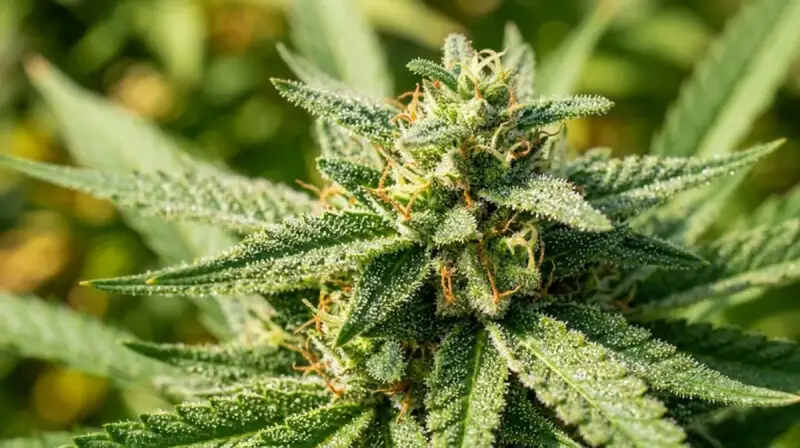
- Sativex (nabiximols) is approved for MS spasticity in the UK, Germany, Canada, and 30+ other countries — the only cannabis medicine with specific MS approval.
- MS spasticity has the strongest evidence base of any MS symptom treated with cannabis.
- A 1:1 CBD:THC ratio appears optimal for spasticity — outperforming THC alone in most clinical studies.
- Bladder dysfunction (urgency, incontinence) also has moderate evidence from controlled trials.
- Neuropathic pain evidence is moderate; sleep disruption from spasticity is improved by Sativex.
- Fatigue and tremor evidence is weak and inconsistent.
- UK patients can access Sativex via private prescription; NHS Scotland provides it on formulary.
MS and the endocannabinoid system
Multiple sclerosis is an autoimmune demyelinating disease affecting the central nervous system. The endocannabinoid system (ECS) plays important roles in both immune regulation and neuroprotection — two areas central to MS pathology. CB1 receptors are densely expressed in the spinal cord, basal ganglia, and cerebellum, all regions involved in MS-related spasticity and movement dysfunction.
CB2 receptors are predominantly expressed on immune cells including microglia and peripheral macrophages. In MS, activated microglia contribute to neuroinflammation and demyelination. CB2 activation suppresses microglial activation and reduces pro-inflammatory cytokine production. This dual CB1/CB2 pathway explains why cannabis has plausible mechanisms across multiple MS symptoms.
Research has also documented ECS dysfunction in MS patients: altered endocannabinoid levels and CB receptor expression changes have been found in cerebrospinal fluid and brain tissue of MS patients. This suggests the ECS is actively involved in MS pathophysiology, not merely a pharmacological target.
Evidence by Symptom
| Symptom | Evidence Level | Best Cannabinoid Ratio | Notes |
|---|---|---|---|
| Spasticity / muscle stiffness | Strong — multiple RCTs | 1:1 THC:CBD (Sativex) | Most studied; Sativex approved |
| Neuropathic pain | Moderate — several RCTs | 1:1 to 2:1 THC:CBD | Overlaps with general neuropathic pain evidence |
| Sleep disruption | Moderate — secondary endpoints | 1:1 THC:CBD | Improves secondarily as spasticity reduces |
| Bladder dysfunction | Moderate — RCT data | 1:1 THC:CBD | Reduced urgency and incontinence episodes |
| Fatigue | Weak — inconsistent results | CBD-dominant preferred | High THC may worsen fatigue |
| Tremor | Weak — small trials only | Mixed | Inconsistent; some patients report worsening |
| Depression / mood | Weak — observational only | CBD-dominant | No controlled trial data specific to MS |
Sativex (Nabiximols): The Evidence
Sativex is a 1:1 THC:CBD oromucosal spray derived from whole cannabis plant extract. Each actuation delivers 2.7 mg THC and 2.5 mg CBD. It is the only cannabis-based medicine with regulatory approval specifically for MS spasticity.
The pivotal Allschwil NRS (Numeric Rating Scale) spasticity trials enrolled patients with MS-related spasticity who had failed other antispasticity treatments. A key enrichment design was used: patients who responded during an open-label run-in period were randomised to continue Sativex or switch to placebo. This approach consistently showed significant spasticity reduction on NRS scales and improved patient-reported outcomes.
A 2012 Cochrane review of cannabis for spasticity in MS found moderate quality evidence of a significant benefit for muscle spasticity. A 2018 meta-analysis of 17 trials confirmed that nabiximols significantly reduced spasticity scores versus placebo (standardised mean difference −0.36).
The CAMS Trial
The Cannabis in Multiple Sclerosis (CAMS) trial, published in the Lancet (2003), was the largest randomised controlled trial of cannabis for MS at the time. It enrolled 667 patients and tested oral cannabis extract, synthetic THC (dronabinol), or placebo over 15 weeks.
The primary endpoint (Ashworth spasticity scale) did not reach statistical significance — a finding that disappointed researchers. However, secondary endpoints showed significant improvements in pain, sleep, and patient-reported spasm frequency. A one-year follow-up found significant Ashworth scale improvements in the cannabis groups, suggesting longer treatment durations may be needed for objective spasticity measures.
The CAMS trial is important because it highlighted the difference between objective measurement (Ashworth scale) and patient-reported outcomes — with cannabis consistently performing better on the latter.
CBD:THC Ratio for Spasticity
The question of optimal CBD:THC ratio for spasticity is clinically important. THC alone activates CB1 receptors in spinal cord interneurons and reduces spasticity via muscle relaxation pathways. CBD alone has weaker direct anti-spastic activity but modulates THC effects by acting as a negative allosteric modulator at CB1 receptors.
Clinical data consistently shows that the 1:1 ratio outperforms THC alone for spasticity. CBD appears to reduce the psychoactivity of THC at spasticity-relevant doses, allowing patients to take therapeutically effective amounts without intolerable side effects. This is why Sativex was specifically developed as a 1:1 product rather than a THC-only medicine.
Delivery Methods for MS Patients
MS patients face specific challenges with delivery method selection due to motor impairment, fatigue, and cognitive effects of the disease:
- Oromucosal spray (Sativex): Easiest for patients with hand tremor or dexterity impairment; consistent dosing; no combustion; preferred clinically.
- Vaporisation: Fast onset; useful for acute spasm episodes; requires dexterity and breath control; not ideal for all patients.
- Oral capsules/edibles: Longer onset (45–90 minutes) but longer duration; useful for overnight coverage; dosing less precise.
- Sublingual tincture: Good consistency; moderate onset; easier than vaporisation for those with limited mobility.
UK Access to Cannabis for MS
Sativex is the clearest access pathway for MS patients in the UK. NHS Scotland includes Sativex on formulary for patients who have failed two or more antispasticity drugs. In England, Sativex requires a private prescription; it is technically available on the NHS but not routinely funded. Private clinics including Releaf, Sapphire Medical, and the Royal College of Physicians pathway can prescribe Sativex and other cannabis-based medicines for MS.
In the US, most medical cannabis states include MS as a qualifying condition. Sativex is not FDA-approved in the US but is in clinical trials; patients use state-licensed cannabis products instead.
Patient Considerations and Drug Interactions
MS patients are typically on disease-modifying therapies (DMTs) such as interferon-beta, glatiramer acetate, natalizumab, or newer oral agents. CBD is a CYP450 inhibitor (CYP3A4 and CYP2C9), which can affect the metabolism of some MS drugs. Cannabis can also add to the sedation and fatigue that are already common MS symptoms and side effects of some DMTs.
Immunosuppressive MS treatments (including ocrelizumab, cladribine) and cannabis have no documented dangerous interaction, but the combination has not been extensively studied. Patients should inform their neurologist when using cannabis alongside DMTs.
Frequently Asked Questions
Is Sativex approved for multiple sclerosis?
Yes. Sativex (nabiximols) is approved for MS spasticity in the UK, Germany, Canada, Spain, and more than 30 other countries. It is the only cannabis-based medicine with specific MS approval. In the UK it is available via private prescription; NHS Scotland provides it on formulary for qualifying patients.
What cannabis ratio is best for MS spasticity?
Clinical trial data consistently shows that a 1:1 THC:CBD ratio outperforms THC alone for spasticity. CBD appears to modulate the spastic response and reduce THC-related psychoactivity at equivalent therapeutic doses. This is the ratio used in Sativex.
Can cannabis help MS bladder dysfunction?
Yes, moderate evidence supports cannabis for MS-related bladder dysfunction. CB1 receptors in the detrusor muscle are involved in bladder contraction. Both Sativex and oral cannabis extract have reduced urinary urgency and incontinence episodes in clinical trials.
Does cannabis help MS fatigue?
Evidence for cannabis and MS fatigue is weak and mixed. Some patients report improvement, but clinical trials have shown inconsistent results. High-THC products can worsen fatigue in some users. CBD-dominant products are generally preferred for daytime MS management.
Oral Cannabis Extract vs. Sativex vs. Whole Plant
Three main cannabis formats have been studied in MS: oral cannabis extract (OCE), Sativex oromucosal spray, and whole-plant smoked or vaporised cannabis. Each has different pharmacokinetics and practical implications for patients.
Oral cannabis extract provides a consistent cannabinoid profile but has slow and variable absorption (onset 45–90 minutes; high inter-patient variability). The CAMS trial used OCE. Sativex provides faster and more consistent absorption via the oral mucosa (onset 15–40 minutes). Smoked or vaporised cannabis has the fastest onset but the least precise dosing; it is the format used most by self-medicating MS patients prior to prescription access.
For clinical use, Sativex is the preferred format in countries where it is available, due to consistent dosing, regulatory approval, and the absence of combustion. Where Sativex is not accessible, sublingual tinctures with a 1:1 CBD:THC ratio are the nearest practical equivalent.
MS Progression and Cannabis: Neuroprotection Hypothesis
Beyond symptom management, some researchers have proposed that cannabis may have neuroprotective effects relevant to MS. The basis: CB1 receptor activation reduces glutamate excitotoxicity; CB2 activation reduces neuroinflammation; cannabinoids promote oligodendrocyte survival (the cells that produce myelin).
These are plausible mechanisms with supporting preclinical data. Animal EAE (experimental autoimmune encephalomyelitis) models show that cannabinoid treatment slows disease progression and reduces demyelination. However, there is no clinical trial evidence that cannabis slows MS progression in humans. Current evidence is restricted to symptom management. Patients should not use cannabis with the expectation of slowing disease progression.
Addressing Specific MS Symptom Clusters
A practical guide to how cannabis maps onto specific MS symptom clusters:
- Spasticity and muscle cramps: Sativex 1:1 spray; sublingual 1:1 tincture. Dose titrated over first two weeks. Most patients self-administer up to 12 sprays per day; mean effective dose in trials was 8 sprays.
- Neuropathic pain and paresthesia: 1:1 to 2:1 THC:CBD; evening dosing preferred to manage sedation. Most useful when neuropathic pain disrupts sleep.
- Urinary urgency and incontinence: Sativex taken 30–60 minutes before expected peak urgency periods. Most evidence for urinary symptoms is with Sativex rather than other formats.
- Sleep disruption: Low-dose THC (5–10 mg) or Sativex before bed. Sleep improvement is often a secondary benefit as spasticity reduces.
- Anxiety and depression: CBD-dominant products; avoid high-THC formulations which can worsen anxiety in some MS patients.
Monitoring and Follow-Up for MS Patients
MS patients using cannabis for symptom management should be monitored for: spasticity response (goal is functional improvement, not just score reduction), fatigue changes (cannabis can worsen fatigue in some patients), cognitive effects (MS already involves cognitive impairment; high THC may add to this), and drug interactions with DMTs.
A standard clinical approach involves a four-week trial at titrated doses, with formal spasticity assessment at baseline and follow-up. Non-responders should discontinue rather than continuing indefinitely without benefit. MS patients should also be monitored for impacts on balance and coordination, both of which are already affected by MS and can be further impaired by THC at higher doses.
Dosing Guidance for MS
For Sativex: begin with one spray each morning and evening for the first two days. Increase by one spray every two days based on response. Most patients reach their optimal dose within two weeks. The mean effective dose in pivotal trials was 8 sprays per day (approximately 21.6 mg THC / 20 mg CBD daily).
For sublingual tinctures (1:1 CBD:THC): start with 2.5 mg THC / 2.5 mg CBD twice daily. Titrate every three to five days. Effective range for most MS spasticity patients: 10–30 mg THC / 10–30 mg CBD per day. Evening-heavy dosing is often preferred to minimise daytime sedation while maintaining overnight spasticity control.
Patient Perspectives and Real-World Use in MS
Large-scale patient surveys consistently show high cannabis use rates among MS patients globally. A 2014 survey by the MS Society UK found that 21% of MS patients reported using cannabis for symptom management, making it one of the most widely used complementary therapies in the condition. Among users, spasticity and pain were the primary targets, followed by sleep and bladder symptoms.
A 2018 survey of 1,893 MS patients across multiple countries found that 28% of those who had tried cannabis reported “great” or “very great” benefit for spasticity, with 24% reporting similar benefit for pain. Patient-reported outcomes consistently exceed what is measured in clinical trials, likely reflecting the real-world combination of placebo effect, patient selection (those who benefit most continue use), and the genuine therapeutic effects documented in trials.
Patient preferences tend toward vaporisation for rapid breakthrough spasticity relief and oral or sublingual delivery for background symptom management. Many patients combine delivery methods: Sativex or sublingual during the day; inhalation for acute evening spasm episodes.
Access and Affordability
Access to cannabis for MS varies significantly by country and jurisdiction. In the UK, Sativex is the most straightforward access pathway: it is a licensed medicine, prescribable by any specialist on private prescription, and available at selected pharmacies. Cost is significant: Sativex typically costs GBP 100–150 per month at private prescription prices in the UK, which is a barrier for many patients. NHS Scotland funding removes this barrier for qualifying patients.
In the US, the majority of states with MS prevalence have active medical cannabis programs with MS as a qualifying condition. State-licensed dispensaries provide access to a wide range of cannabis products, typically at lower cost than pharmaceutical preparations like Sativex, though product consistency and quality control vary. Patient advocacy organisations including the National Multiple Sclerosis Society have published guidance supporting reasonable patient access and calling for more clinical research.
Quality of Life Measures in MS Cannabis Trials
Clinical trials for MS often use the Ashworth Scale (objective muscle tone) and the NRS Spasticity Scale (patient-reported) as primary endpoints. A consistent finding across studies is that patient-reported outcomes (NRS, EQ-5D quality of life scores) show greater cannabis benefit than objective Ashworth measurements. This suggests that cannabis improves how spasticity feels and functions even when it may not fully reduce the measured muscle tone.
Secondary quality of life measures improved in Sativex trials include: sleep quality (measured by NRS sleep disruption), patient global impression of change (PGIC), and caregivers’ burden reduction. These holistic benefits are clinically meaningful and should be weighted alongside spasticity scores when evaluating treatment response in individual patients.
Insurance and Reimbursement Landscape
In the UK, Sativex is the only cannabis-based medicine with NHS formulary listing (NHS Scotland). In England, Sativex is technically prescribable on the NHS but requires individual funding requests in most trusts, creating an inequitable access situation. Private prescription costs remain a significant barrier.
In Germany, medical cannabis has been reimbursable by statutory health insurance (GKV) since 2017 for patients with serious conditions including MS where other treatments have failed. This has made Germany one of the largest medical cannabis markets in Europe. MS patients with refractory spasticity can access cannabis flowers, extracts, or Sativex through the German system with insurance coverage, subject to approval.
Side Effects and Contraindications for MS Patients
Common side effects of cannabis in MS patients include dizziness (relevant given existing balance impairment in MS), fatigue (already a major MS symptom), and cognitive effects (attention, memory). The starting dose for MS patients should be conservative, particularly in those with significant pre-existing neurological impairment. Sativex’s spray format allows precise incremental dosing and is preferred over less controllable delivery methods for this reason.
Contraindications include personal or family history of psychosis or schizophrenia (CB1 agonism may precipitate psychotic episodes), severe cardiovascular disease, and pregnancy. Cannabis should be used with particular caution in MS patients who also have significant cognitive impairment, as THC may worsen cognitive function.
Spasticity Subtypes and Cannabis Response
Not all MS spasticity is the same, and response to cannabis varies by spasticity subtype. Tonic spasticity (sustained muscle contraction at rest) tends to respond well to Sativex in clinical experience. Phasic spasticity (sudden spasms, often at night) also responds, and the sleep component of nighttime spasms is addressed by the sedative properties of THC. Flexor spasms in particular — which can be painful and disruptive to sleep — are frequently cited by patients as the symptom most improved by cannabis.
Spasticity localised to specific muscle groups (leg adductors, calf muscles) may respond well to targeted doses. Diffuse full-body spasticity is more challenging to address and requires higher total doses. The relationship between dose, serum cannabinoid levels, and spasticity response is currently an active area of research, with pharmacokinetic modelling studies underway in several countries.
Cannabis and MS Rehabilitation
Reducing spasticity with cannabis can facilitate physiotherapy and rehabilitation in MS patients. Spasticity that prevents adequate range of motion exercises or standing tolerance can be a barrier to rehabilitation progress. By reducing the spastic tone before a physiotherapy session, cannabis may increase the effective range and quality of rehabilitation exercises, leading to better functional outcomes.
This concept — using pharmacological spasticity reduction to enable rehabilitation rather than simply as standalone symptom management — represents an under-researched but clinically plausible benefit. Physiotherapists working with MS patients are increasingly aware of cannabis as a potential rehabilitation adjunct and can advise on timing of cannabis use relative to therapy sessions.
Future Research Priorities for MS and Cannabis
Despite Sativex’s approval, significant research gaps remain. Key priorities identified by the Multiple Sclerosis International Federation and academic researchers: head-to-head trials of Sativex vs. oral cannabis extract vs. vaporised cannabis; longer-term trials (beyond 6 months) to assess sustained efficacy and tolerance development; paediatric MS subgroup data; studies on progressive MS (most trials enrolled relapsing-remitting patients); and biomarkers predicting cannabis response. Advancing this research agenda would substantially strengthen evidence-based prescribing for MS patients globally.
Cannabis Interactions with Multiple Sclerosis Medications
MS patients commonly take multiple disease-modifying therapies (DMTs) and symptomatic treatments. Key interaction considerations:
- Baclofen (muscle relaxant for spasticity): Additive CNS depressant effect with THC. Reduce baclofen dose cautiously if adding cannabis; monitor for excessive sedation.
- Interferon-beta (DMT): No documented pharmacokinetic interaction. Theoretically, CBD’s immunomodulatory effects might add to or partially offset interferon’s mechanism, but no clinical data exists.
- Natalizumab/ocrelizumab (DMTs): No known interactions. These are monoclonal antibodies with a different pharmacological profile from small molecules.
- Amantadine (for fatigue): No significant interaction documented. Both are CNS-active; monitor for additive effects on alertness.
- Oxybutynin (for bladder): Both cannabis and oxybutynin have anticholinergic-adjacent effects on bladder; monitor bladder function when combining.
Cannabis and MS Fatigue: A Nuanced Relationship
MS fatigue affects up to 90% of MS patients and is one of the most disabling symptoms of the condition. Cannabis has a complex and often dose-dependent relationship with fatigue. THC at higher doses consistently worsens fatigue in MS patients. CBD-dominant products or very low-dose THC at daytime may have a neutral or mildly alerting effect. The net effect depends on the product, dose, individual patient, and disease severity.
Clinical guidance: avoid high-THC products during daytime hours in MS patients with significant fatigue. Reserve THC-containing products for evening use when sedation is acceptable or therapeutic. CBD-dominant formulations are preferable for managing daytime spasticity, neuropathic pain, and bladder symptoms without worsening fatigue. Reassess fatigue at every follow-up to ensure cannabis is not adding to this already significant symptom burden.
Caregiver and Social Function Considerations in MS
MS affects not just the patient but their entire social and family system. Caregiver burden is significant when spasticity limits the patient’s mobility and self-care ability. If cannabis reduces spasticity sufficiently to improve function — allowing patients to dress independently, transfer between wheelchair and bed, or participate in more activities — this benefit extends to caregivers and family members. Patient-reported outcome studies in MS consistently show that functional improvements from Sativex exceed what is captured by objective spasticity scales.
Driving is a specific concern: THC impairs driving ability, and MS patients using Sativex or other THC-containing products should be counselled not to drive within three to four hours of dosing. Many MS patients are already non-drivers due to disease-related impairment, but for those who retain driving ability, this is an important quality-of-life consideration that should be addressed during cannabis counselling.
Looking Ahead: Next-Generation Cannabis Treatments for MS
Research is advancing beyond Sativex and whole-plant cannabis. Selective CB2 agonists without CB1 psychoactivity are in development specifically for neuroinflammatory conditions including MS. FAAH inhibitors that increase endogenous anandamide without exogenous THC are under investigation. Cannabis-derived terpene combinations targeting specific receptor pathways are in early research.
For current MS patients, the most practical near-term development is the expanding availability of medical cannabis programmes in more countries and jurisdictions, and the development of standardised cannabis pharmaceutical products beyond Sativex (which has maintained a dominant market position due to its head-start but is expensive). Generic nabiximols or similar products approved in additional indications would meaningfully expand access and reduce cost for MS patients worldwide.
Summary of Evidence and Clinical Recommendations
The evidence base for cannabis in multiple sclerosis is the strongest of any neurological condition. Sativex approval in 30+ countries reflects a genuine regulatory consensus that the benefit-risk ratio supports use for spasticity. For MS patients with spasticity that has not responded adequately to baclofen, tizanidine, or other antispasticity drugs, a trial of nabiximols (Sativex) or equivalent 1:1 CBD:THC product is evidence-based and widely recommended.
For patients in jurisdictions without Sativex access, sublingual 1:1 CBD:THC tinctures represent the practical alternative. CBD-dominant products are appropriate for daytime management of neuropathic pain and bladder symptoms where psychoactivity is undesirable. High-THC products are generally not recommended for MS due to the risks of worsening fatigue, cognitive impairment, and balance difficulties.
Patients should be monitored by their neurologist throughout cannabis treatment. Response assessment should include standardised spasticity measures, patient-reported outcomes, and monitoring for adverse effects including sedation, cognitive effects, and worsening of other MS symptoms. If no meaningful benefit is observed after a four-to-six week trial at optimised doses, discontinuation is appropriate.
When to Reconsider Cannabis for MS
Cannabis is not appropriate for all MS patients, and clear criteria for reconsideration or discontinuation help ensure responsible use. Discontinue or reduce cannabis if: significant cognitive worsening occurs (monitor with simple cognitive tests); falls increase due to worsening balance or coordination; depressive symptoms worsen; problematic use patterns emerge (escalating doses, inability to reduce use, preoccupation with access); the patient develops new-onset psychotic symptoms; or no meaningful spasticity or symptom benefit is observed after six weeks at optimised doses.
For patients who achieved good spasticity control initially but note declining benefit over months of use, tolerance to THC effects should be considered. A structured cannabis break (two to four weeks off) can partially restore sensitivity. During a tolerance break, alternative spasticity management with baclofen or tizanidine should be maintained to avoid symptom rebound.
Cannabis therapy for MS, like any chronic disease treatment, requires regular reassessment of the benefit-risk balance. Annual or bi-annual formal review with the neurologist is recommended for MS patients using cannabis as part of their ongoing symptom management plan.
Related: All Medical Cannabis Guides · CBD Effects Guide
The field of medical cannabis for MS continues to evolve rapidly. New formulations, improved delivery systems, and clearer clinical protocols are expected in the coming years. Patients who establish care with a medical cannabis specialist today are well-positioned to benefit from advances as they emerge.