










How to Grow Cherry Pie
Sweet cherry-berry aromas, dense purple-tinged buds and a balanced euphoric-relaxing high from this GDP x Durban cross.
Cherry Pie Grow Timeline
Cherry Pie Seeds & Genetics
Genetics: Granddaddy Purple x Durban Poison | Breeder: Pie Guy / Cookie Fam | Type: Hybrid (Indica-dominant)
Cherry Pie was developed by Pie Guy in collaboration with Cookie Fam Genetics through a cross of Granddaddy Purple and Durban Poison. GDP contributes compact structure and purple colouration while Durban Poison adds sativa vigour and sweet-sour terpenes. Seeds are available feminised from multiple breeders. For growing fundamentals, see our beginner cannabis growing guide.
Indoor vs Outdoor Growing Cherry Pie
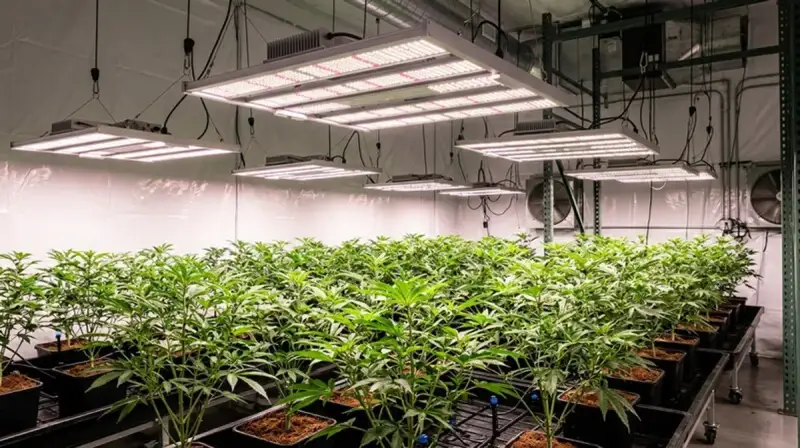
Cherry Pie is an excellent indoor strain due to its compact indica structure. LST during veg increases cola sites without the complexity of SCROG. See our training techniques guide. To maximise purple colouration, drop night temperatures by 5-10C in the final 2-3 weeks of flowering. Outdoors, it performs well in temperate and warm climates finishing by early-to-mid October. Our outdoor growing guide covers climate considerations.
Nutrients & Feeding for Cherry Pie
Moderate nutrient requirements. Feed at 75-100% of recommended doses. Nitrogen-dominant in veg at EC 1.0-1.5. Switch to bloom nutrients at first flowering signs. CalMag beneficial in soft water. Full schedule in our nutrients guide.
Common Problems & Solutions
Cherry Pie is relatively problem-free. Main risks are overwatering in dense soil and minor humidity-related mould on dense colas in the final weeks. Maintain RH below 50% and ensure oscillating fan airflow. Some phenotypes show slightly slower early growth that accelerates once established.
Harvest, Drying & Curing Cherry Pie
Ready when 70-80% of trichomes are milky with 15-20% amber. Cherry-berry aroma is most intense at harvest. Hang-dry in dark ventilated room at 18-21C for 7-10 days. Cure 3-5 weeks in glass jars. Sweet fruit flavour deepens considerably with proper curing. Full instructions in our harvest guide.
Full terpene profile, effects and uses of Cherry Pie.
Terpenes & Effects
Frequently Asked Questions
Is Cherry Pie easy to grow?
Cherry Pie is beginner-friendly with its compact indica structure and reasonable feeding requirements. More forgiving than its Cookie Fam relatives like GSC.
How long does Cherry Pie flower?
Cherry Pie flowers in 8-9 weeks indoors - a comfortable mid-range flowering time for an indica-dominant strain.
What does Cherry Pie taste like?
Cherry Pie delivers a sweet cherry and berry flavour with earthy, sour undertones - similar to a freshly baked fruit pastry.
Does Cherry Pie produce purple buds?
Cherry Pie frequently shows purple and red pigmentation in its buds and leaves when exposed to cooler temperatures during late flowering.
What yield does Cherry Pie produce?
Indoor yields average 400-500g/m2 under quality LED or HPS lighting with LST training.
Is Cherry Pie good for relaxation?
Cherry Pie is well-suited to evening use - its indica-dominant genetics deliver a balanced euphoric-relaxing effect that eases tension without heavy sedation.