Medically reviewed by the ZenWeedGuide Editorial Board. About our team
CANNABIS STRAINS
Snoop’s Dream Cannabis Strain
Blue Dream × Master Kush indica-dominant hybrid. Relaxed body high with creative mental clarity — the daytime indica that doesn’t lock you to the couch.
Cannabis Cultivation Specialist at ZenWeedGuide. Expert in strain genetics, terpene profiles, and grow room optimization across 15+ years of hands-on cultivation.
Last reviewed: May 2026
Key Findings
Indica-dominant hybrid (approx. 70% indica / 30% sativa) from Blue Dream × Master Kush genetics
THC range 18–23%; CBD typically below 1% — high potency without extreme sedation
Effects onset within 5–10 minutes when smoked; body calm arrives 10–20 minutes in
Classified as a functional daytime indica: creative and relaxed without couch-lock at moderate doses
Medical applications include stress, depression, mild pain, fatigue, and appetite stimulation
Flower time 8–9 weeks, above-average yield, moderate grow difficulty — responsive to training
Genetics and Lineage
Snoop’s Dream is a cross between Blue Dream (Blueberry × Haze) and Master Kush (Hindu Kush × Skunk #1 lineage), developed in association with Snoop Dogg’s cannabis brand. The pairing was deliberate: Blue Dream contributes the cerebral, euphoric sativa character that made it the best-selling strain in dispensaries across California and Colorado for several consecutive years, while Master Kush adds the dense body relaxation, resinous structure, and hash-forward aromatics typical of Hindu Kush descendants.
The result sits in a sweet spot that indica enthusiasts and sativa-leaning consumers both find accessible. The sativa genes from Haze keep cognitive function largely intact at moderate doses, preventing the heavy mental fog seen in pure kush expressions. Breeders selecting for commercial appeal found that retaining 20–30% sativa expression in the phenotype improved daytime usability without sacrificing the indica body effect consumers sought.
Parent Strain Comparison: Blue Dream vs. Master Kush vs. Snoop’s Dream
Attribute
Blue Dream
Master Kush
Snoop’s Dream
Lineage
Blueberry × Haze
Hindu Kush × Skunk
Blue Dream × Master Kush
Dominant Type
Sativa-dominant hybrid
Indica
Indica-dominant hybrid
THC Range
17–24%
20–24%
18–23%
Primary Aroma
Blueberry, sweet, vanilla
Earthy, hash, citrus
Blueberry, pine, earthy
Dominant Effect
Uplifted, creative, energetic
Relaxed, sedated, happy
Relaxed, creative, uplifted
Couch-Lock Risk
Low
High
Low–Moderate
Flower Time
9–10 weeks
8–9 weeks
8–9 weeks
Grow Difficulty
Easy–Moderate
Easy
Moderate
Cannabinoid and Terpene Profile
Laboratory testing across multiple cultivators consistently places Snoop’s Dream between 18% and 23% total THC, with most commercial cuts averaging 20–21%. CBD content is negligible (below 0.5%), and CBG is typically present at 0.3–0.8%, contributing mild anti-inflammatory and neuroprotective effects. The terpene suite is dominated by myrcene, which explains both the earthy musk in the aroma and the pronounced physical relaxation that distinguishes it from pure Blue Dream phenotypes.
Understanding how Snoop’s Dream unfolds over time helps users calibrate timing and dosing effectively. The experience divides clearly into three phases influenced by its dual lineage.
Phase 1 (0–15 minutes): The Blue Dream genetics activate first. Users report a gentle cerebral pressure behind the eyes, followed by a spreading warmth in the temples. Mood lifts quickly into euphoria and sociability. Creative associations feel more accessible than baseline, making this phase ideal for artistic work, brainstorming, or conversation.
Phase 2 (15–60 minutes): Master Kush genes come forward. A progressive muscle relaxation moves from the neck and shoulders downward. Physical discomfort diminishes. Despite the body effect, most users at moderate doses (0.2–0.4g flower or equivalent) remain mentally engaged and conversational. The psychoactive ceiling feels manageable rather than overwhelming.
Phase 3 (60–180 minutes): As the high plateaus and begins to descend, sedation increases slightly. Users predisposed to indica sensitivity may find themselves ready to sleep during this phase, especially at higher doses. Most report a smooth comedown without anxiety or dysphoria, a direct benefit of the linalool and caryophyllene content moderating the THC intensity.
Time-of-Day Suitability — Activity Matching
Time of Day
Suitability
Recommended Activities
Cautions
Morning (6am–12pm)
Moderate
Creative work, yoga, light exercise, social breakfast
Avoid if driving or demanding cognition required
Afternoon (12pm–5pm)
High
Music, art, writing, casual social settings, nature walks
Not a primary sleep strain; use indica-only strains for insomnia
Medical Applications
Snoop’s Dream occupies a productive middle ground for medical cannabis patients: potent enough to address genuine physical discomfort, yet gentle enough to remain functional during treatment hours. The combination of myrcene and beta-caryophyllene provides physical analgesia through two complementary mechanisms — myrcene enhancing blood-brain barrier permeability and CB1 engagement, caryophyllene working peripherally via CB2 receptors to reduce pro-inflammatory cytokine signalling.
A 2019 retrospective analysis published in the Journal of Affective Disorders (Turna et al.) found that cannabis strains with significant myrcene content scored highest on patient-reported anxiety and depression relief relative to single-terpene preparations. While no studies focus specifically on Snoop’s Dream, its terpene architecture closely mirrors the profiles examined in that research.
Reported medical uses include: stress and generalised anxiety (the caryophyllene + linalool combination calms the amygdala response without the sedation of pure indicas); depression (Blue Dream genetics maintain dopaminergic uplift throughout the session); mild to moderate pain (muscle tension, headaches, menstrual pain respond well); appetite stimulation (THC-driven munchies arrive reliably in Phase 2); and fatigue management (the sativa fraction keeps motivation intact at lower doses).
Patients with anxiety sensitivity should start with 5mg THC or less and avoid high-dose sessions. The low CBD content means there is minimal buffer against THC-induced anxiety at high intake levels.
How to Grow Snoop’s Dream
Snoop’s Dream is a rewarding grow for cultivators with some prior experience. The plant inherits structural traits from both parents: Blue Dream contributes taller, more branchy vegetative growth, while Master Kush compresses the node spacing and increases resin density. The finished plant is medium-tall with dense, sticky buds that benefit from adequate airflow to prevent mould in the final weeks.
The strain responds exceptionally well to LST (low-stress training) and ScrOG setups. By spreading the canopy during the first 3–4 weeks of vegetation, growers can dramatically increase light penetration to lower bud sites and push yields toward the upper end of the range. Topping at the third or fourth node during veg is standard practice for commercial cultivators.
Grow Specifications
Parameter
Indoor
Outdoor
Flower Time
8–9 weeks
Late September – early October
Yield
450–550 g/m²
500–700 g/plant
Height
80–120 cm (trained)
150–200 cm
Difficulty
Moderate
Moderate
Optimal Temp
20–26°C veg; 18–24°C flower
Mediterranean or temperate climate preferred
Humidity
50–70% RH veg; 40–50% RH flower
Avoid humid autumn climates; mould risk in final weeks
Same trichome ratio; watch for pistil colour change
Aroma, Flavour, and Smoke Quality
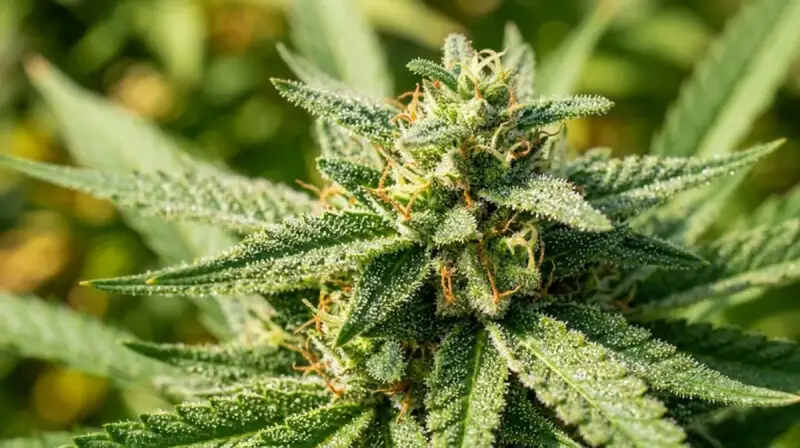
Few hybrid strains present such a clearly delineated two-parent aroma as Snoop’s Dream. The olfactory profile breaks into three distinct registers. On initial jar opening, sweet blueberry and mixed berry fruit notes dominate — a direct inheritance from the Blueberry phenotype that underpins Blue Dream. Underneath this fruit layer sits the earthier, hashish-forward character of Master Kush: dry soil, old wood, and faint incense. A third register of fresh pine resin sharpens the bouquet and prevents the hash notes from becoming overpowering.
The smoke and vapour are characteristically smooth for an indica hybrid. Master Kush genetics eliminate the Haze harshness that can irritate throats in Blue Dream-heavy phenotypes. The exhale reveals the full pine-blueberry interplay, with a faint diesel accent that lingers several minutes after the session. Dry herb vaporisation at 185–195°C best preserves the full terpene expression; combustion accelerates myrcene oxidation and slightly flattens the blueberry note.
Frequently Asked Questions
What is Snoop’s Dream cannabis strain?
Snoop’s Dream is an indica-dominant hybrid (Blue Dream × Master Kush) created in association with Snoop Dogg’s cannabis brand. THC ranges 18–23%. It delivers creative, uplifted euphoria with progressive body relaxation and smooth smoke.
Does Snoop’s Dream cause couch-lock?
At moderate doses (under 0.4g flower or 10mg THC equivalent), couch-lock is uncommon. The Blue Dream genetics maintain cerebral function throughout most of the session. Heavy dosing, however, will trigger significant sedation in the final phase of the experience.
How long does the Snoop’s Dream high last?
When smoked or vaped, the high typically lasts 2–3 hours, with peak effects in the 30–90 minute window. Edibles extend duration to 4–6 hours with a stronger body component due to 11-hydroxy-THC conversion in the liver.
Is Snoop’s Dream good for anxiety?
In low-to-moderate doses, yes. Beta-caryophyllene and linalool both have documented anxiolytic activity, and the euphoric sativa component lifts mood without inducing paranoia in most users. Anxiety-prone individuals should avoid high doses and consider a 1:1 THC:CBD product for extra safety margin.
How long does Snoop’s Dream take to grow?
Snoop’s Dream flowers in 8–9 weeks indoors. Outdoor harvests fall in late September to early October in the Northern Hemisphere. Full seed-to-harvest for an indoor grow with a 4-week vegetative stage is approximately 12–13 weeks.