Cannabis Cultivation Specialist at ZenWeedGuide. Expert in strain genetics, terpene profiles, and grow room optimization across 15+ years of hands-on cultivation.
Last reviewed: May 2026
Key Findings
Indica-dominant hybrid from Afghani × OG Kush — a combination that delivers both body stone and mild cerebral warmth.
THC sits at 18–22%, placing it in the moderate-to-strong range — approachable for newer indica users compared to OG heavy-hitters.
Dominant terpene myrcene drives the sedating body effect and earthy-herbal base note of the aroma.
Caryophyllene adds anti-inflammatory potential and the characteristic OG spice; linalool rounds the profile with floral calm.
Medical applications are broad: stress relief, anxiety reduction, mild-to-moderate pain management, and insomnia support.
Flowering time of 8–9 weeks with moderate grow difficulty — suitable for indoor or outdoor cultivation.
Named for the timing of its commercial release, not any formal endorsement by any political figure.
Obama Kush occupies a useful niche in the indica-dominant market: it is potent enough to satisfy experienced users seeking genuine relaxation, yet its 18–22% THC ceiling keeps it accessible to consumers stepping up from lighter strains. The cross of OG Kush and Afghani produces a strain that inherits OG’s iconic fuel-pine aroma and cerebral uplift, layered over the dense, whole-body sedation that Afghani landraces have delivered for generations of breeders.
The name arose from the political climate surrounding its introduction to the market and carries no formal connection to any political figure. What it does carry is a legitimate place in the OG Kush family tree — a well-constructed indica cross with reliable genetics, consistent terpene expression, and a broad medical use case.
Genetics & Lineage — Afghani × OG Kush
The two parent strains that produce Obama Kush represent two of the most foundational lines in modern cannabis genetics. Afghani is a pure indica landrace from the Hindu Kush mountain range, prized for resin production, compact structure, and a sedating, hash-forward terpene profile. OG Kush is a hybrid of disputed but well-documented heritage — almost certainly involving Chemdawg, a Hindu Kush phenotype, and Lemon Thai — that became the backbone of the American west-coast cannabis industry in the 1990s and 2000s.
OG Kush × Afghani Lineage Breakdown
Parent
Type
Origin
Key Contribution
Characteristic Terpenes
Afghani
Pure Indica Landrace
Hindu Kush / Afghanistan
Body sedation, resin density, compact structure, hash aroma
Myrcene, Linalool
OG Kush
Hybrid (indica-leaning)
Southern California / Florida
Cerebral euphoria, fuel-pine aroma, high THC ceiling, social warmth
Caryophyllene, Myrcene, Limonene
Obama Kush (F1)
Indica-dominant Hybrid
USA (commercial market)
Relaxing body high with mild euphoria, balanced potency 18–22%
Myrcene, Caryophyllene, Linalool
Chemdawg (OG ancestor)
Hybrid
Grateful Dead concert / Colorado
Diesel / chemical top note, THC driver
Caryophyllene, Myrcene
Potency Tier Comparison — Accessible Indicas
Obama Kush sits in what dispensary budtenders often call the “middle tier” of indica potency: strong enough to deliver genuine therapeutic effects for stress and sleep, yet unlikely to produce the overwhelming couch-lock that high-tolerance users need from strains like Godfather OG or 9lb Hammer. This makes it a practical entry point for users transitioning from lighter strains to indica-dominant effects.
Obama Kush vs. Similar Accessible Indicas — Potency & Intensity
Heavy insomnia, chronic pain, experienced indica users
Terpene & Cannabinoid Profile
The terpene trio of myrcene, caryophyllene, and linalool creates a layered sensory experience and, according to the entourage effect model first articulated by Russo (2011), a synergistic pharmacological profile that likely enhances sedation and anxiolysis beyond what THC alone would produce.
Effects — Three Phases of the Obama Kush Experience
Understanding how Obama Kush progresses through its effect cycle helps users manage dosage and timing, particularly those using it for medical purposes.
Phase 1 — Onset (0–15 minutes, smoked/vaped): A warm cerebral flush begins behind the eyes and spreads across the forehead. Mood lifts noticeably; conversation flows naturally and there is a sense of mild, uncomplicated happiness. Social inhibition decreases without the racing thoughts that sativa-dominant strains can produce.
Phase 2 — Main Body (15–90 minutes): The indica genetics assert themselves. Physical tension releases progressively from the shoulders, jaw, and lower back. The cerebral warmth from Phase 1 persists but becomes quieter, sitting in the background as the body takes centre stage. Users typically feel comfortable, calm, and gently sedated without complete loss of function at standard doses.
Phase 3 — Comedown (90 minutes–3 hours): Effects taper into drowsiness and a heavy, comfortable body feeling. Higher doses will produce significant couch-lock and a strong pull toward sleep. At moderate doses users can navigate this phase without sleeping but will want to avoid demanding physical or cognitive tasks.
Medical Applications
Obama Kush’s combination of myrcene, linalool, caryophyllene, and a moderate-to-high THC concentration addresses several common medical complaints without requiring the very high THC levels of pharmaceutical-grade indica cultivars.
Stress and anxiety: Linalool’s GABA modulation and caryophyllene’s CB2 activity work in concert with THC to reduce the physiological stress response. Most effective at lower doses (smoked 1–2 puffs) to avoid THC-driven anxiety amplification.
Mild-to-moderate pain: CB1 activation via THC plus caryophyllene’s peripheral anti-inflammatory action makes Obama Kush useful for tension headaches, muscular soreness, and mild neuropathic discomfort.
Insomnia: The sedating myrcene profile combined with the progressive body relaxation makes it effective for sleep-onset difficulties, particularly stress-driven insomnia. Best consumed 30–60 minutes before intended sleep.
Appetite stimulation: THC-driven munchies are moderate and consistent — useful for patients experiencing appetite suppression from medication side effects or anxiety.
Growing Specifications
Obama Kush inherits Afghani’s robust, compact structure and the OG Kush tendency toward dense, resinous buds. It is a forgiving strain for intermediate growers but does benefit from attention to humidity during late flowering due to its dense bud formation, which can create conditions for botrytis if air circulation is insufficient.
Obama Kush — Grow Specifications
Parameter
Detail
Notes
Flowering Time
8–9 weeks
Indoor photoperiod; harvest outdoor late September–early October
Difficulty
Moderate
Suitable for growers with 1+ prior grow; watch humidity Week 6+
Indoor Yield
350–450 g/m²
Under 600W HPS or equivalent LED; benefits from ScrOG training
Outdoor Yield
400–500 g/plant
Full-sun Mediterranean or continental climate preferred
Plant Height
60–100 cm (indoor)
Compact Afghani structure; stays manageable without training
Optimal Temp
20–26°C (day)
Night temps 18–22°C; avoid >28°C to preserve terpenes
Humidity (Veg)
50–70% RH
Standard veg range
Humidity (Flower)
40–50% RH
Drop to 40% last 2 weeks; dense buds prone to botrytis above 55%
Training
LST, ScrOG, Topping
Compact structure responds well to ScrOG for even canopy
N:P:K by Stage
3:1:2 veg / 1:3:2 flower
Taper nitrogen from Week 4 flower; phosphorus/potassium drive resin
Aroma, Flavor, and Bag Appeal
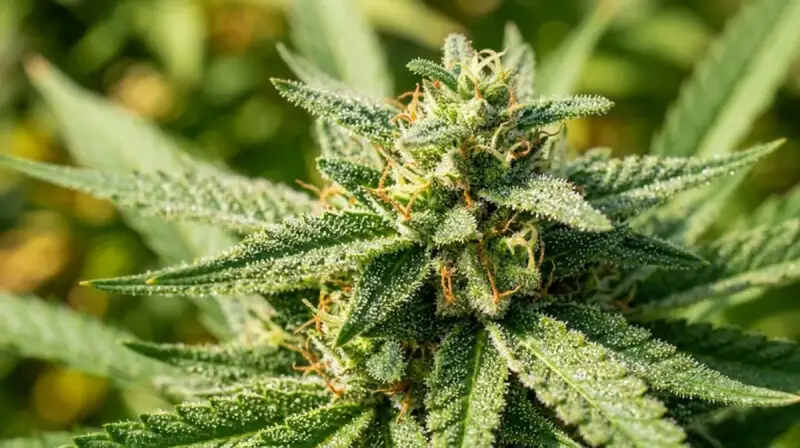
Obama Kush buds are dense and golf-ball shaped with a deep olive-green colour, orange pistils, and a heavy coating of white trichomes that reflects both the Afghani resin genetics and the OG Kush quality ceiling. Bag aroma on breaking is a classic OG dankness — earthy pine, damp soil, and a faint petroleum undercurrent from residual Chemdawg heritage in the OG Kush parent.
On the inhale, the pine-earth combination dominates with a sweet herbal finish from linalool. The smoke is smooth and expansive for an indica of this potency. Exhale delivers the spicy caryophyllene note — a slight pepper-and-wood quality that distinguishes it from the more purely myrcene-forward Bubba Kush.
Drug Testing Considerations
Obama Kush is a high-myrcene, standard-THC strain with no unusual cannabinoid profile that would affect standard immunoassay drug screening differently from other cannabis products. Standard SAMHSA urine screening detects THC-COOH at a 50 ng/mL cutoff. Detection windows vary significantly by use frequency: single use typically 3–4 days, regular use (3–4×/week) 7–14 days, and daily heavy use up to 30 days in users with high body fat. See our complete cannabis drug test guide for detailed detection window tables and employer policy information.
Related Guides
OG Kush Strain Guide — the parent strain and one of the most influential genetics in cannabis history
Alpha OG Strain Guide — a higher-potency OG Kush family member for experienced users