










The cannabis infused kitchen is built on a handful of core techniques that apply to almost every recipe you will ever make. Master these and you can infuse virtually any dish — baked goods, pasta, salads, steak, smoothies, desserts — with consistent, predictable results. Skip them and your edibles will be either inert or wildly unpredictable.
This guide covers the complete workflow, from raw flower to finished infusion, with practical tips for every stage. For hundreds of specific infused recipes using these foundations, visit ZenCannaKitchen.
The Four Pillars of the Infused Kitchen
| Pillar | What It Is | Why It Cannot Be Skipped |
|---|---|---|
| Decarboxylation | Heat-activating THCA into THC before infusion | Raw cannabis is non-intoxicating — without decarb your infusion has almost zero effect |
| Fat Infusion | Binding activated cannabinoids to a fat carrier | THC is fat-soluble; water or alcohol require different extraction methods |
| Dose Calculation | Calculating total and per-serving THC before cooking | Without this, every edible is a guessing game with unpredictable results |
| Heat Control | Keeping infused fats below 200°F during cooking | Sustained high heat degrades THC, reducing potency after your work making the infusion |
Decarboxylation: Step-by-Step
- Preheat your oven to 230°F / 110°C (fan) using an oven thermometer for accuracy.
- Grind cannabis coarsely. Spread in a thin, even layer on a parchment-lined baking tray.
- Bake 30-40 minutes until light golden-brown and nutty-smelling. The colour shift signals completed decarboxylation.
- Cool completely. Store in an airtight jar — decarboxylated cannabis keeps for 3 months.
Choosing Your Fat: Butter vs. Oil
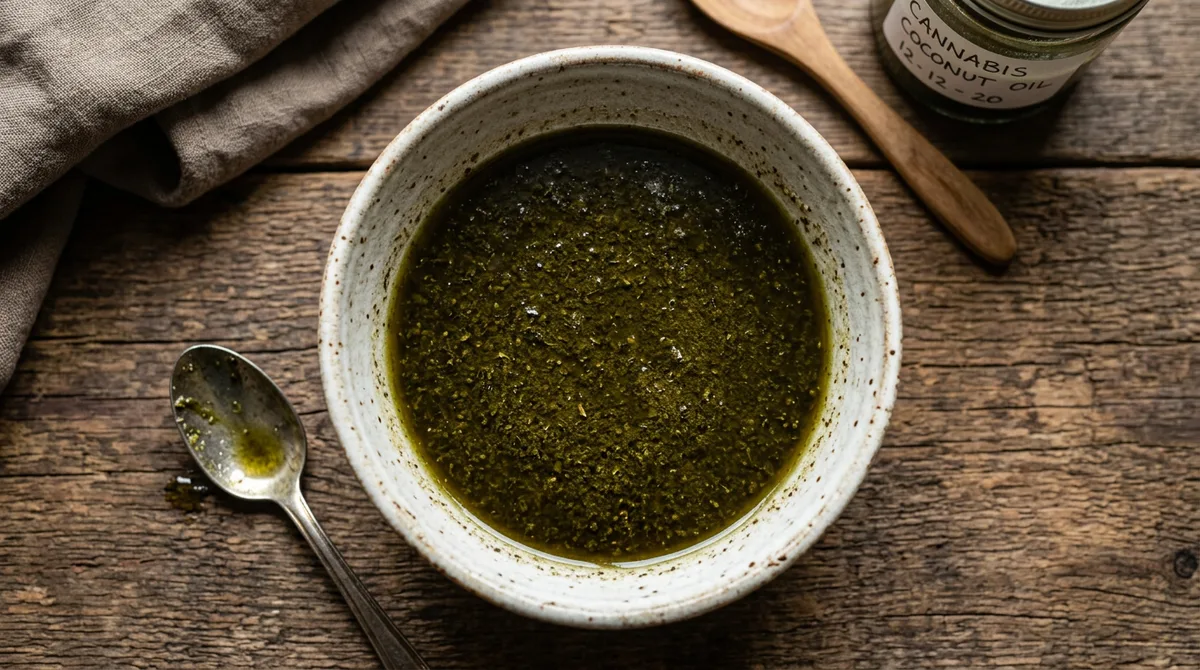
| Fat | Saturation | Best For | Shelf Life (refrigerated) |
|---|---|---|---|
| Unsalted butter | High (~51%) | Baking, sauces, toast | 2 weeks |
| Clarified butter (ghee) | Very high (~60%) | Baking, high-heat finishing | 4 weeks |
| Coconut oil | Very high (~86%) | Baking, smoothies, tropical dishes | 2 months (room temp) |
| Extra virgin olive oil | Moderate (~14%) | Pasta, salads, drizzling | 6 weeks |
| MCT oil | High (medium-chain) | Capsules, tinctures, beverages | 6 months |
Infusion Methods Compared
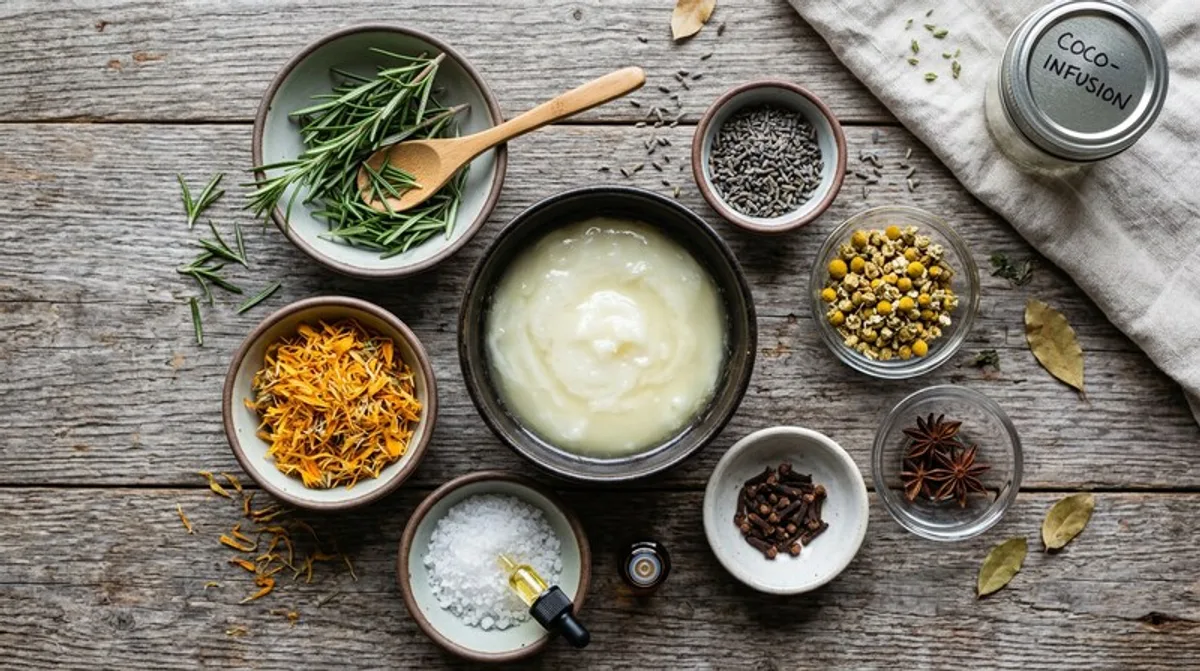
| Method | Time | Temperature Control | Potency Consistency | Ideal For |
|---|---|---|---|---|
| Double boiler (stovetop) | 2-3 hours | Manual — use a thermometer | Excellent if monitored | Small batches, butter |
| Slow cooker (crockpot) | 4-6 hours | Set-and-forget on Low | Very good | Large batches |
| Ardent FX / Nova | 1-2 hours total (decarb + infuse) | Fully automated | Best — lab-grade precision | All fats |
| Magical Butter Machine | 1-2 hours | Automated, heated vessel | Very good | Large oil batches |
| Mason jar (oven bath) | 2-3 hours at 200°F | Oven temperature | Good — requires oven thermometer | Oil infusions |
Cannabutter: Complete Recipe
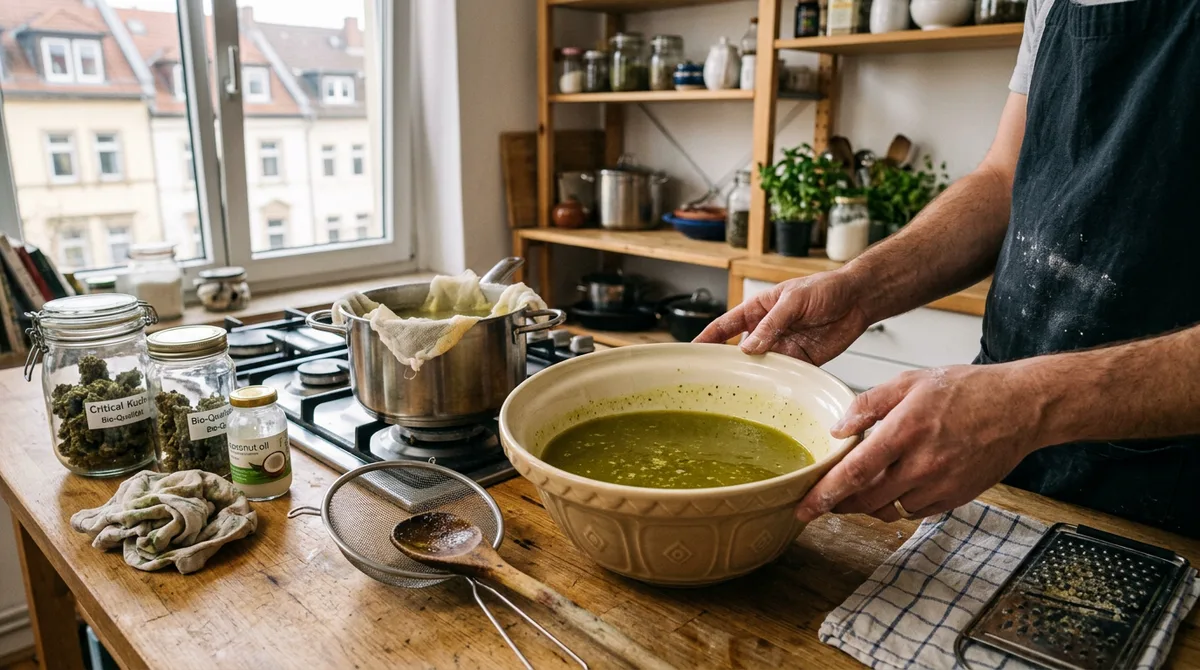
Ingredients: 225g (1 cup) unsalted butter • 7g decarboxylated cannabis • 240ml (1 cup) water
- Combine butter and water in a small saucepan. Melt over lowest heat — the water prevents scorching.
- Add cannabis. Stir to combine.
- Maintain 160-180°F (71-82°C) for 2.5-3 hours. Stir every 20 minutes. Use a thermometer throughout.
- Strain through cheesecloth into a container. Press the plant material firmly to extract all the fat.
- Refrigerate. Once the butter solidifies, lift it off the discarded water below.
- Label: date, cannabis used, estimated THC per tablespoon. Store up to 2 weeks in the fridge.
Cannabis Oil: Complete Recipe
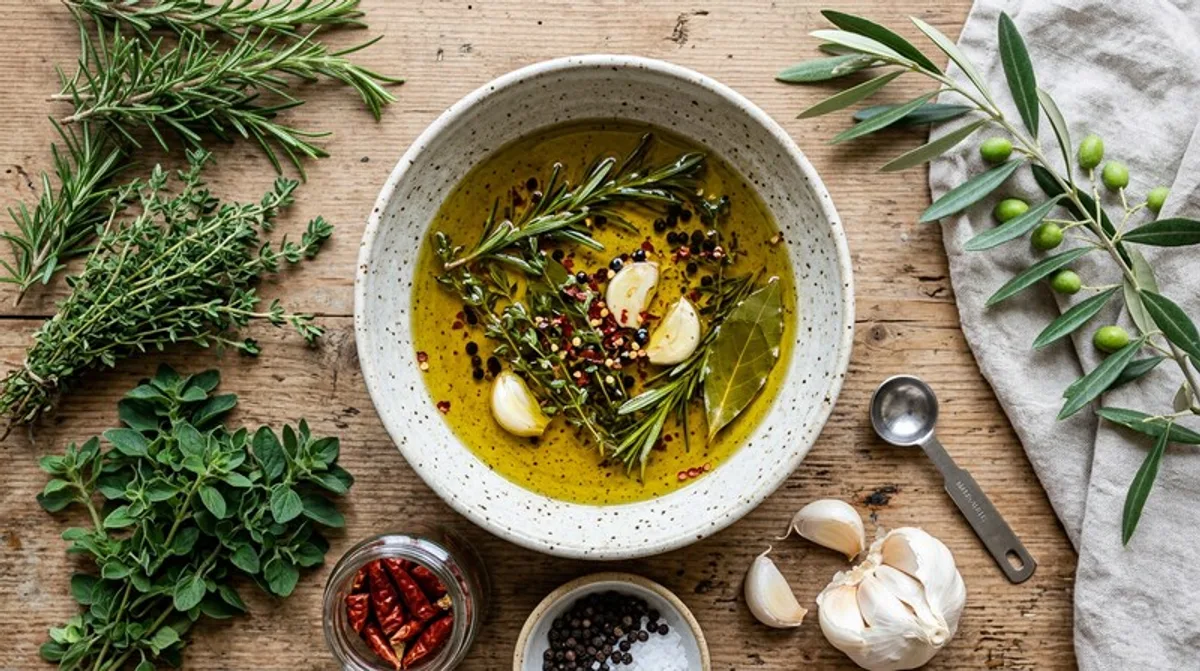
Ingredients: 240ml (1 cup) olive or coconut oil • 7g decarboxylated cannabis • 1/2 tsp sunflower lecithin (optional)
- Combine oil and cannabis in a double boiler or slow cooker.
- Heat at 160-180°F (71-82°C) for 1.5-2 hours (olive oil) or 2-3 hours (coconut oil).
- Stir in lecithin (if using) in the last 10 minutes — it acts as an emulsifier and improves bioavailability.
- Strain through cheesecloth into a dark glass bottle. Label with date and potency estimate.
- Refrigerate for up to 6 weeks (olive oil) or store coconut oil at room temperature for 2 months.
Watch: Cannabis Infused Balsamic Vinaigrette (Video)
A practical English-language tutorial on making a cannabis-infused salad dressing — an excellent demonstration of how to incorporate cannabis oil into everyday cooking without heat.
Dosage Calculation for Any Infusion
| Step | Example |
|---|---|
| Total cannabis weight | 7g = 7,000mg |
| THC percentage | 20% → 0.20 |
| Total potential THC | 7,000 × 0.20 = 1,400mg |
| Decarboxylation efficiency (~70%) | 1,400 × 0.70 = 980mg active THC |
| Batch volume (1 cup oil = ~16 tablespoons) | 980mg ÷ 16 = ~61mg per tablespoon |
| Beginner dose (2.5-5mg) | Use 1/12 to 1/24 of a tablespoon per serving |
For beginners: start with 3.5g at 15-18% THC per cup of fat. This produces roughly 20-25mg active THC per tablespoon — manageable when a recipe calls for 1-2 tablespoons across 4-6 servings (3-6mg per portion).
What to Make First
- Beginners: Cannabis olive oil — use 1 tsp drizzled on pasta or salad to test your sensitivity before committing to a full meal.
- Bakers: Cannabutter — start with banana bread or cookies, which have strong flavours that mask any cannabis taste.
- Experienced cooks: Cannabis compound butter (mix softened cannabutter with herbs and garlic) — melt over steak or grilled vegetables for a controlled, flavourful dose.
- Medical users: MCT cannabis oil — clean taste, consistent absorption, easy to add to coffee or capsules for precise daily dosing.
Frequently Asked Questions
What is the infused kitchen and why does it matter? +
The infused kitchen refers to home cooking that incorporates cannabis-derived ingredients — primarily cannabutter, cannabis olive oil, cannabis coconut oil, or tinctures — into everyday meals and recipes. Rather than relying on commercial edibles with fixed formulations, the infused kitchen puts dosing and flavour entirely in the home cook's control. It is also significantly more cost-effective: 7 grams of mid-grade cannabis can produce enough cannabutter for weeks of infused meals.
What is the difference between cannabutter and cannabis oil? +
Cannabutter is cannabis-infused butter, best used in baking and rich savory dishes where butter is already an ingredient. Cannabis oil (typically olive oil or coconut oil) is more versatile for savory cooking, salad dressings, and finishing dishes. Both are made using the same infusion principle — heating decarboxylated cannabis with a fat carrier — but the fat type determines how and where you use them in the kitchen.
How much cannabis do I need for a batch of infused oil or butter? +
The standard starting ratio is 1 cup of fat (225g butter or 240ml oil) to 7-10g of cannabis. For beginners, use 3.5g per cup for lower-potency batches. The resulting oil or butter is then used by the tablespoon or cup, with each portion containing a fraction of the total THC. Always calculate total THC in the batch before cooking with it.
Can I use a slow cooker or Instant Pot for cannabis infusion? +
Yes — slow cookers are popular for cannabis infusions because they maintain a consistent low temperature without requiring attention. Set to 'Low' (approximately 170-190°F), add decarboxylated cannabis and fat, and let it infuse for 4-6 hours with occasional stirring. An Instant Pot on the 'Low' pressure setting or the yogurt setting can also work. Both methods produce results comparable to the stovetop double-boiler method.
How do I store cannabutter and cannabis oil? +
Store cannabutter in an airtight container in the refrigerator for up to 2 weeks, or freeze for up to 6 months. Cannabis olive oil lasts 4-6 weeks refrigerated in a dark glass bottle. Cannabis coconut oil stores for 2 months at room temperature in a cool, dark cupboard due to its natural stability. Always label containers with the date made and estimated THC per tablespoon.