










Savory cannabis cooking is more forgiving than baking in one key way: you usually add the cannabis component at the end, rather than incorporating it into the cooking process itself. This means less heat exposure, better preserved potency, and more control over dosing. The classic approach is infused olive oil — made once, stored in the fridge for weeks, and drizzled over finished dishes as needed.
Recipes in this guide are drawn from ZenCannaKitchen, which covers both cannabis fundamentals and a wide range of international infused recipes.
The Golden Rule: Add Cannabis Off the Heat
THC and other cannabinoids degrade at sustained high temperatures. The safest approach for savory cooking is to prepare your dish normally, remove it from the heat, then stir in or drizzle your measured cannabis olive oil or cannabutter immediately before serving.
| Dish Type | When to Add Cannabis | Best Carrier |
|---|---|---|
| Pasta | Off heat, stir into drained pasta with sauce | Cannabis olive oil |
| Pizza | Drizzle over finished pizza after baking | Cannabis olive oil |
| Soups & stews | Stir in just before serving, heat off | Cannabutter or infused cream |
| Steak & grilled meats | Place cannabis compound butter on top while resting | Cannabis compound butter |
| Salads | Use as base for dressing | Cannabis olive oil |
| Eggs | Finish in pan on low heat (<180°F) or add to scrambled eggs off heat | Cannabutter |
Cannabis Olive Oil — The Foundation of Savory Cooking
Cannabis olive oil is the most versatile ingredient in the infused kitchen. Use it in salad dressings, drizzle it over pasta, spread it on bruschetta, or finish soups and risottos with a measured spoon.
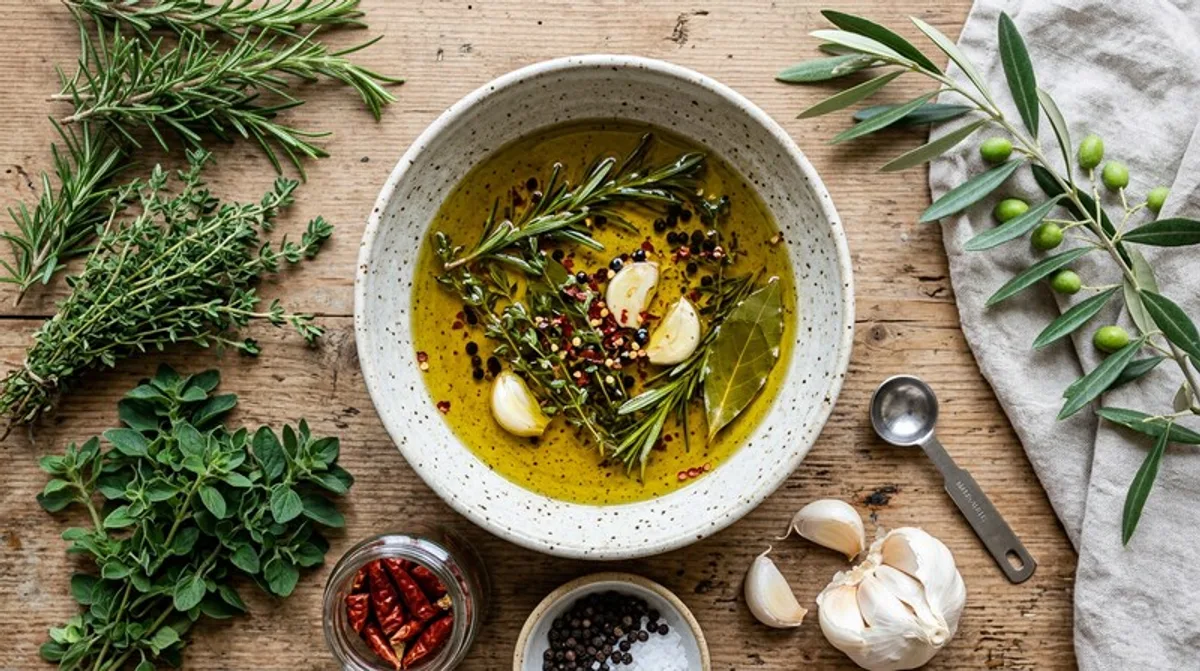
| Ingredient | Amount |
|---|---|
| Extra virgin olive oil | 240ml (1 cup) |
| Decarboxylated cannabis (coarsely ground) | 5-7g |
| Sunflower lecithin (optional) | 1/2 tsp — improves extraction and reduces grassy taste |
- Combine oil and cannabis in a small saucepan or double boiler.
- Heat on the lowest setting, maintaining 160-180°F (71-82°C) for 1.5-2 hours. Use a thermometer.
- Stir in lecithin (if using) during the last 10 minutes.
- Strain through cheesecloth. Press out all the oil — this is where the potency is.
- Store in a dark glass bottle in the fridge for up to 6 weeks.
- Dose: a standard tablespoon (15ml) contains roughly 1/16 of your batch total THC. Calculate accordingly.
Cannabis Pasta Carbonara
Carbonara is perfect for cannabis cooking — the sauce is made entirely off the heat, using egg yolk and pasta water to create a creamy emulsion. No boiling required. Cannabis olive oil or cannabutter is stirred in at the end, maximising potency.
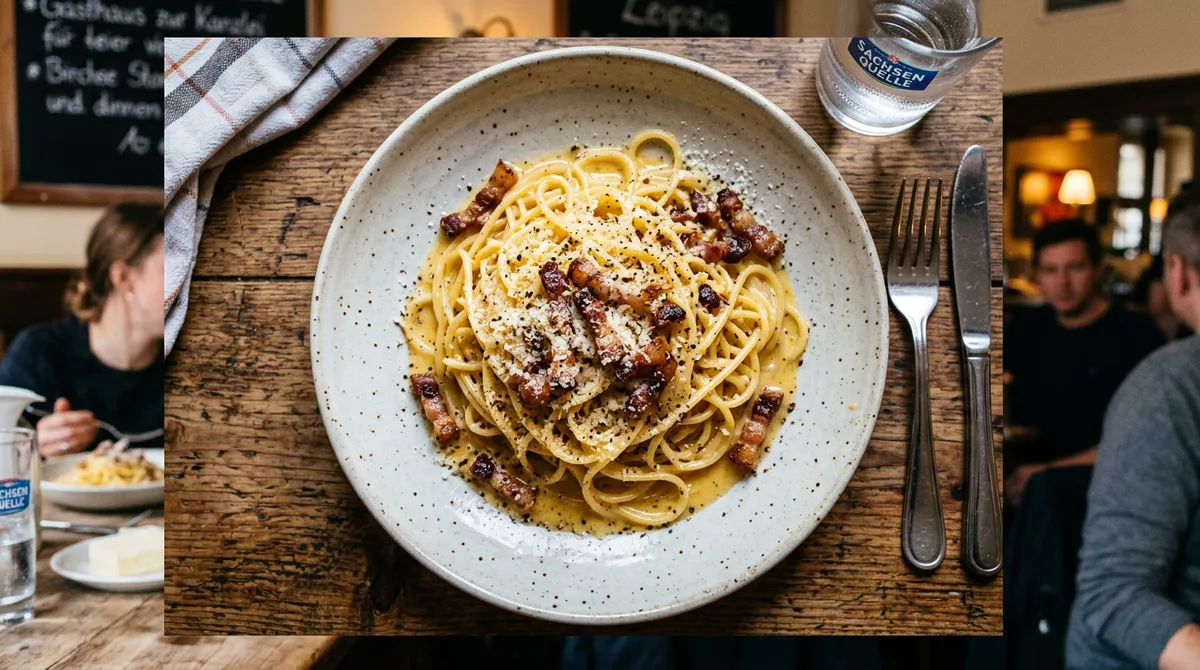
| Ingredient | Amount (serves 2) |
|---|---|
| Spaghetti or rigatoni | 200g |
| Guanciale or pancetta | 100g |
| Egg yolks | 4 |
| Pecorino Romano (finely grated) | 60g |
| Black pepper | 1 tsp, freshly cracked |
| Cannabis olive oil | 1-2 tbsp (calculated dose) |
| Pasta water (reserved) | 120ml |
- Cook pasta in well-salted boiling water. Reserve 120ml pasta water before draining.
- Fry guanciale in its own fat in a cold pan, raising heat slowly until crispy. Remove from heat.
- Whisk egg yolks with pecorino and cracked pepper in a bowl.
- Add drained pasta to the pan with guanciale (off heat). Add a splash of pasta water and toss.
- Pour egg mixture over pasta, tossing constantly and adding pasta water gradually until the sauce is silky. Do not return to heat — the residual temperature cooks the eggs safely.
- Stir in cannabis olive oil. Serve immediately. Season to taste.
Watch: Weed Infused Pasta Carbonara (Video)
Cannabis Pesto
Homemade pesto is one of the easiest ways to incorporate cannabis olive oil into a savory meal. The raw preparation means zero heat exposure and maximum potency preservation. Toss with pasta, spread on pizza, or serve with grilled vegetables.
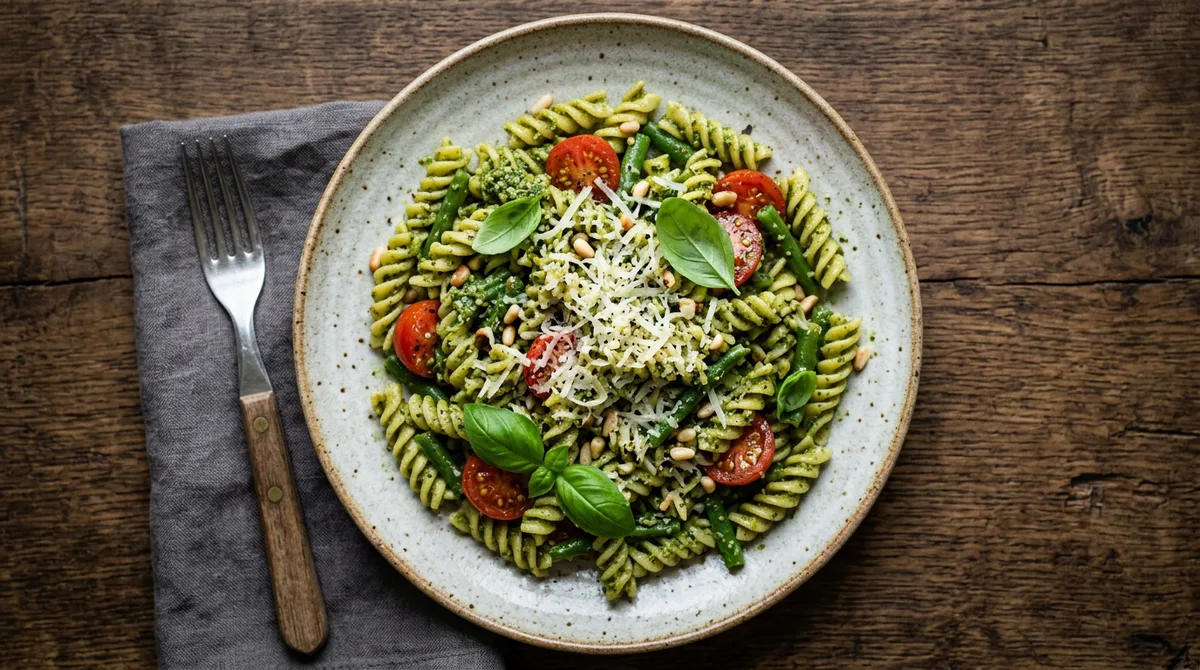
| Ingredient | Amount |
|---|---|
| Fresh basil leaves | 60g (about 2 packed cups) |
| Pine nuts | 30g |
| Garlic | 2 cloves |
| Parmesan (finely grated) | 40g |
| Cannabis olive oil | 2 tbsp (calculated dose) |
| Regular olive oil | 4 tbsp |
| Salt and pepper | to taste |
- Toast pine nuts in a dry pan for 2-3 minutes until golden. Cool.
- Blend basil, cooled pine nuts, and garlic in a food processor until roughly chopped.
- Add parmesan and blend again briefly.
- With the motor running, drizzle in regular olive oil until combined.
- Transfer to a bowl. Stir in cannabis olive oil by hand — do not blend, to avoid heat from friction.
- Season. Toss with freshly cooked pasta and a splash of pasta water to loosen. Serve at once.
Cannabis Pizza
Cannabis pizza is straightforward: bake your pizza normally, then finish with a drizzle of cannabis olive oil the moment it comes out of the oven. The residual heat is low enough that it warms the oil without destroying potency. Every slice gets an equal drizzle — easy to portion.
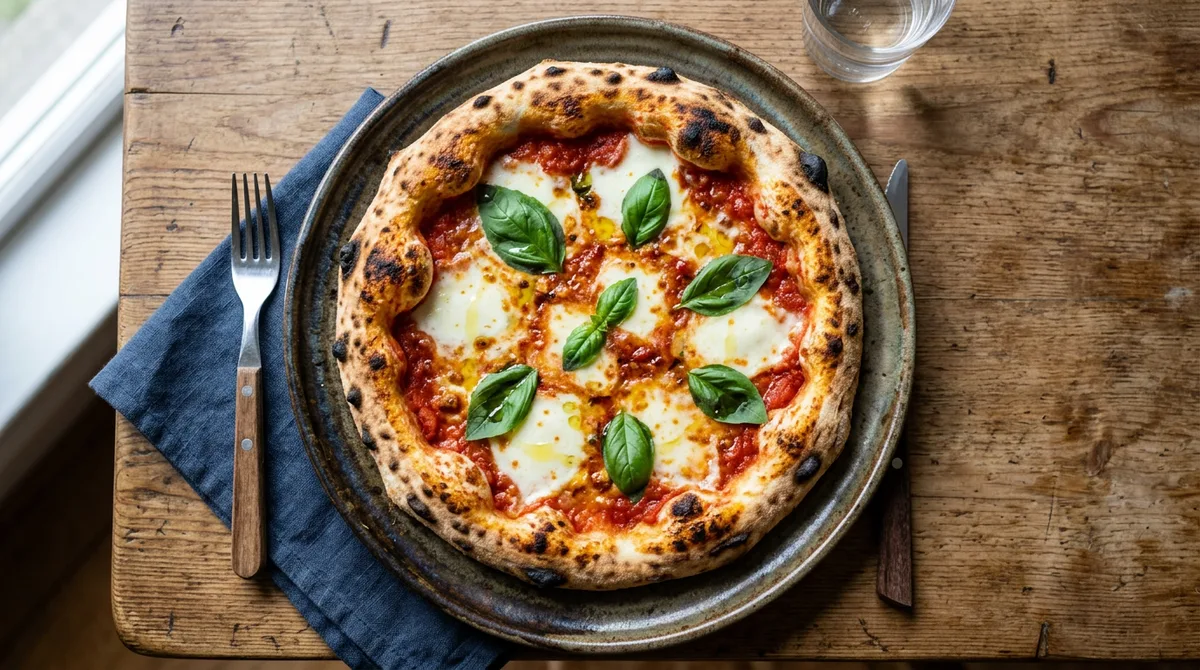
Use your favourite pizza dough and sauce recipe. After the pizza has rested for two minutes out of the oven, drizzle 1 tablespoon of cannabis olive oil evenly across all 6-8 slices. Cut portions in equal sizes. The total THC per pizza divided by the number of slices gives you the dose per slice.
Frequently Asked Questions
What is the best oil to use for cannabis cooking? +
Olive oil and coconut oil are the top choices. Extra virgin olive oil is ideal for savory dishes — it has a high fat content, handles moderate heat well, and adds complementary flavour. Coconut oil has a slightly higher fat saturation, making it highly efficient for cannabinoid extraction. Avoid infusing with oils that have very low fat content, like flaxseed or sesame oil, as they extract cannabinoids poorly.
Can I add cannabis oil directly to pasta sauce? +
Yes — the most reliable method for savory cooking is to make your infused oil separately, then drizzle it over the finished dish or stir it in off the heat. Adding cannabis oil to a sauce while it is actively boiling will degrade THC. Remove the pan from the heat, stir in your measured cannabis olive oil, and serve immediately.
What temperature should I keep cannabis oil below when cooking? +
Keep cannabis-infused oils and butters below 200°F (93°C) during cooking to preserve potency. For sautéing or sauces, add cannabis oil at the end, off the heat or over very low heat. For pasta dishes, stir it in once the sauce has cooled slightly. For pizza, drizzle cannabis olive oil over the finished pizza rather than baking it into the dough.
How do I prevent cannabis from overpowering the flavour of my food? +
Use well-filtered cannabis oil or butter with minimal plant material remaining. Lecithin (sunflower or soy) added during infusion helps bind cannabinoids more completely to fat, resulting in a cleaner taste. Pair cannabis with strong-flavoured sauces like arrabbiata, pesto, or carbonara, where the bold base flavours mask any residual cannabis taste effectively.
How long do savory cannabis edibles take to kick in? +
The same as all edibles — 30 minutes to 2 hours, depending on individual metabolism, body weight, and stomach contents. A full meal with cannabis olive oil drizzled on will typically have a slower onset than the same oil taken on an empty stomach. Always wait at least 90 minutes before deciding whether to consume more.