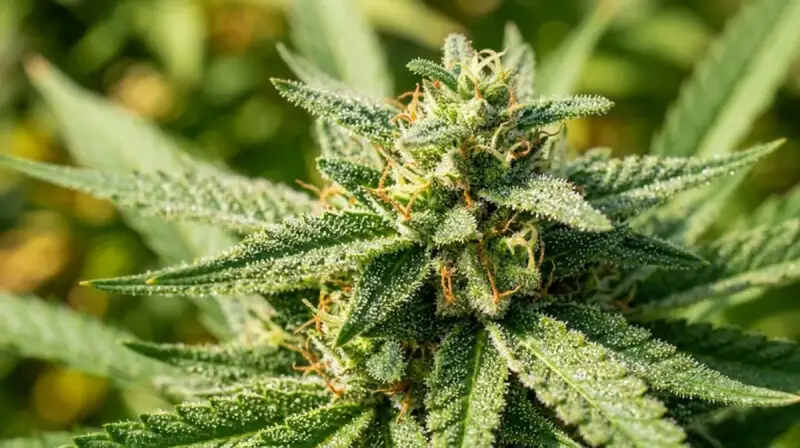
Best Hybrid Strains: Top Picks for Balanced Effects
A data-backed ranking of the top 12 hybrid cannabis strains with THC percentages, dominant terpenes, effect profiles, and guidance on choosing between sativa-dominant and indica-dominant hybrids.
Key Facts at a Glance
Virtually all modern commercial cannabis is a hybrid to some degree
The indica/sativa label is a marketing shorthand, not a botanical guarantee
Terpene profile is the most reliable predictor of effect character
Blue Dream: most popular hybrid worldwide for 10+ years
GSC (Girl Scout Cookies) sparked the modern premium hybrid era
Sativa-dominant hybrids = more cerebral; indica-dominant = more body-focused
For beginners, hybrids with 15–20% THC and high caryophyllene are most forgiving
What Is a Hybrid Cannabis Strain?
A hybrid cannabis strain is any cultivar that combines genetic lineages from both cannabis indica and cannabis sativa plants. Given centuries of human cultivation and intentional breeding, virtually every commercially available strain today is a hybrid. The pure landrace indica and sativa varieties that formed the genetic foundation of modern breeding — Afghan Kush, Thai, Colombian Gold, Durban Poison — are rarely encountered outside of seed preservation collections.
When breeders and dispensaries use the term “hybrid,” they typically mean a variety that produces neither exclusively energizing nor exclusively sedating effects — a balanced middle ground. In practice, most hybrids lean toward one end of the spectrum and are further classified as “sativa-dominant hybrid” or “indica-dominant hybrid.” The terminology is useful as a rough consumer guide, even though it doesn’t perfectly reflect botanical reality.
The Indica/Sativa Continuum
Rather than a binary, it helps to think of cannabis effects on a continuum. Purely cerebral, energizing, uplifting, creative (the traditional “sativa” end) versus purely physical, sedating, relaxing, body-heavy (the traditional “indica” end). Most hybrid strains occupy positions somewhere between these poles, shaped primarily by their terpene chemistry, THC:CBD ratio, and the specific CB1 receptor regions activated at a given dose.
High myrcene hybrids trend indica-dominant in experience. High limonene and terpinolene hybrids trend sativa-dominant. High caryophyllene hybrids produce a spicy, peppery note that mixes body relaxation with some mental clarity. Understanding these terpene markers lets you predict the experience of an unfamiliar hybrid more reliably than relying on indica/sativa classifications alone.
Blue Dream is arguably the most popular hybrid in North American cannabis markets, maintaining top-seller status in legal states for over a decade. A cross of Blueberry indica and Haze sativa, it produces a gentle, creeping onset with full-body relaxation that doesn’t heavily sedate, combined with mild cerebral stimulation. Its balanced myrcene and caryophyllene profile makes it forgiving for beginners while satisfying enough for experienced users. The blueberry sweetness with earthy undertones makes it immediately recognizable by aroma. THC typically runs 17–22%, well within a comfortable range for most users.
GSC (Girl Scout Cookies)
GSC is the strain that arguably launched the modern premium cannabis era. Originally developed in the Bay Area, it crossed OG Kush with Durban Poison to create a potent indica-dominant hybrid with unusually high caryophyllene content that gives the experience a spicy complexity. Effects are intense — this is not a beginner strain — but the combination of full-body relaxation and euphoric mental state makes it one of the most widely sought hybrids globally. Its influence on breeding can be seen in dozens of derivatives including Gelato, Wedding Cake, and Do-Si-Dos.
OG Kush
OG Kush is the genetic backbone of much of the West Coast cannabis scene. Its exact origins are debated, but it has become one of the most-referenced cultivars in modern breeding. The signature fuel-pine aroma (from limonene and myrcene) is distinctive, and the effect is a balanced full-body-and-head high that provides significant stress relief without complete sedation. OG Kush has spawned an enormous family of OG derivatives and remains a standard against which many hybrids are measured.
How to Choose the Right Hybrid
Your Goal
Recommended Type
Key Terpenes to Look For
Suggested Strain
Daytime productivity
Sativa-dominant hybrid
Limonene, Terpinolene
Blue Dream, Pineapple Express
Evening relaxation
Indica-dominant hybrid
Myrcene, Linalool
GSC, Gelato, Do-Si-Dos
Social / Mood lift
Balanced hybrid
Limonene, Caryophyllene
Runtz, White Widow, OG Kush
Creativity
Sativa-dominant hybrid
Terpinolene, Ocimene
Trainwreck, Bruce Banner
Pain + Relaxation
Indica-dominant hybrid
Myrcene, Caryophyllene
Gorilla Glue #4, Wedding Cake
Beginner-friendly
Sativa-dominant hybrid (moderate THC)
Caryophyllene (anxiety buffer)
Blue Dream, White Widow
Hybrid Breeding and the Modern Market
The modern cannabis breeding landscape is dominated by hybrids, and the pace of new cultivar development has accelerated dramatically in legal markets. Breeders now use targeted crosses to hit specific terpene profiles, cannabinoid ratios, and growth characteristics. Strains like Gelato #41 and #33 represent specific phenotypic selections — individual plants from a batch of seeds chosen for their superior expression of desired traits.
The rise of cannabis cups and social media has created a culture where new exotic hybrids — Papaya Cake, Jealousy, Modified Grapes — achieve rapid viral popularity. While these premium cultivars often deliver genuinely distinctive experiences, they can also carry premium prices without necessarily superior therapeutic or recreational value. A well-grown batch of Blue Dream at 19% THC often outperforms a poorly grown 28% THC exotic in actual effect quality.
AK
Ann Karim
Cannabis Science & Wellness Writer — ZenWeedGuide
Ann covers cannabis strain science, terpene pharmacology, and consumer guidance, helping readers cut through marketing noise to find strains that genuinely serve their needs.
Frequently Asked Questions
What makes a strain a hybrid?
A hybrid cannabis strain is a cross between indica and sativa-dominant plants. Virtually all modern commercial cannabis is hybrid to some degree. Sativa-dominant hybrids tend toward cerebral, energetic effects while indica-dominant hybrids lean toward relaxation and body effects.
What is the best hybrid strain for beginners?
Blue Dream is widely considered the best entry-level hybrid: moderate THC (17–22%), high myrcene and caryophyllene that buffers anxiety, gentle euphoric onset, and consistent effects. It is widely available and forgiving for new users.
What is the difference between sativa-dominant and indica-dominant hybrids?
Sativa-dominant hybrids produce more cerebral, energetic, creative effects with less body sedation. Indica-dominant hybrids trend toward relaxation, euphoria with body component, and are more appropriate for evening use. The terpene profile is a more reliable predictor than the label alone.
Which hybrid strain is best for creativity?
Trainwreck, Jack Herer, and Blue Dream are most consistently reported as creativity-enhancing. High terpinolene and limonene content is associated with uplifting, creative effects. Moderate THC doses (5–12 mg) tend to enhance creativity more reliably than high doses which can cause cognitive fog.
Share:
ZW
ZenWeedGuide Editorial
Reviewed by our editorial team — cannabis researchers, policy analysts, and medical writers with expertise across clinical research, dispensary operations, and US cannabis law. Content is fact-checked and updated regularly.