










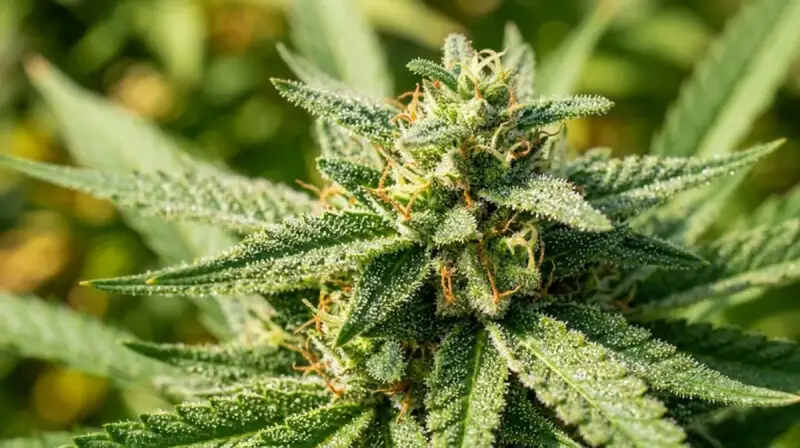
- Genetics: Sour Diesel × Granddaddy Purple
- THC Range: 18–22% (average ~20%)
- Dominant Terpenes: Myrcene, Caryophyllene, Limonene, Ocimene
- Primary Effects: Uplifting onset, euphoric, creative, transitioning to deep body relaxation
- Medical Uses: Stress, depression, pain, muscle tension, appetite
- Indoor Yield: 400–500 g/m²
- Best For: Late afternoon, early evening, creative-to-relaxation bridge sessions
- Visual Trait: Often shows purple/violet hues in the buds and leaves
What Is Sour Grape?
Sour Grape is a true hybrid in the most meaningful sense of the term — a strain where two iconic parent varieties with radically different terpene profiles and effect archetypes have been combined to produce something genuinely greater than either parent alone. The sharp, pungent diesel-citrus character of Sour Diesel meets the sweet, deep grape and berry richness of Granddaddy Purple, producing an aroma and flavor profile that is unmistakably distinctive: simultaneously fuel and fruit, sharp and sweet, in a combination that is complex and immediately recognizable.
The effects follow the same hybrid logic. Sour Diesel’s energizing, cerebral sativa onset arrives first — a rushing, euphoric uplift that sparks creativity and sociability — before Granddaddy Purple’s indica genetics gradually assert themselves with the characteristic heavy-limbed body relaxation that the GDP lineage is celebrated for. The two-phase experience is reliable and predictable, making Sour Grape one of the more intelligently applicable hybrid strains for consumers who want to time their use deliberately.
At 18–22% THC, it sits in the high-potency hybrid tier. The combination of a potent sativa onset with a substantial indica tail means consumers should plan their session accordingly — this is not a strain that remains functional throughout its duration. The transition from the energized onset to the relaxed, physically heavy tail phase is the central feature of the Sour Grape experience, and using it strategically — beginning a session when you have time to let it conclude naturally — produces the best results.
Genetics & Breeding Background
Sour Grape’s two parent strains are among the most iconic and widely cultivated in American cannabis history. Understanding their individual contributions helps explain both why the cross works so well and why phenotype variation between different seeds or cuts can be significant.
Sour Diesel is arguably the most famous sativa-dominant strain of the modern cannabis era. Tracing its lineage through Chemdawg 91, Super Skunk, and Northern Lights, Sour Diesel emerged in the New York cannabis scene in the early 1990s and became the defining strain of East Coast cannabis culture. Its terpene profile is built on a sharp, penetrating diesel-petroleum note layered over citrus and a subtle earthy undertone — a combination that is unmistakable and polarizing: devotees find it electrifying; others find it overwhelming. Its effects are equally distinctive: a fast-acting, cerebral, nearly psychedelic onset that delivers energy, creativity, and euphoria without the heavy body component of indica genetics. Sour Diesel’s contributions to Sour Grape are the diesel-citrus terpene complexity, the fast-acting sativa onset, and the energizing, thought-activating early-phase character.
Granddaddy Purple, developed by Ken Estes in California, is the defining indica strain of West Coast cannabis culture. A cross of Purple Urkle and Big Bud, GDP is characterized by its striking purple coloration, sweet grape-and-berry Concord aroma, and deeply relaxing, sedating indica effects that have made it the primary reference point for grape-flavored cannabis strains for over two decades. GDP contributes to Sour Grape the sweet grape terpene expression, the heavy body relaxation, the purple pigmentation that frequently appears in Sour Grape phenotypes, and the gradual-sedation-deepening effect arc. Explore our full strain database for related profiles including Granddaddy Purple and Sour Diesel individual guides.
Cannabinoid & Terpene Profile
The dual-parent terpene architecture of Sour Grape creates one of the more analytically interesting cannabinoid-terpene profiles in the hybrid cannabis space. The Sour Diesel and GDP terpene stacks partially overlap but also each contribute unique compounds that create the characteristic dual-character aroma. Our terpene guide covers each of these compounds in depth.
| Compound | Typical % | Aroma Note | Role & Effect |
|---|---|---|---|
| Myrcene | 0.5–1.2% | Earthy musk, herbal, slight grape | Body relaxation, THC potentiation, sedation |
| Caryophyllene | 0.4–0.8% | Spicy pepper, diesel edge | CB2 agonist; anti-inflammatory, stress relief |
| Limonene | 0.3–0.7% | Citrus, lemon-diesel overlap | Mood elevation, anxiolytic, sativa onset contributor |
| Ocimene | 0.2–0.5% | Sweet, herbal, slightly woody | Antifungal properties; adds herbal sweetness to aroma |
| Terpinolene | 0.1–0.3% | Fresh, floral, resinous | Mildly sedative; contributes complexity to the profile |
| THC | 18–22% | — | Primary psychoactive; euphoria, analgesia, appetite |
The caryophyllene-limonene interaction in Sour Grape is what drives the distinctive two-phase quality. In the onset phase, limonene asserts the mood-elevating, citrus-bright sativa quality. As the session matures, myrcene and caryophyllene build in their body-focused effects, gradually shifting the experience from cerebral to physical. This progression from limonene-dominant onset to myrcene-dominant peak and tail is one of the defining pharmacological features of Sour Diesel × indica crosses as a category — and Sour Grape is one of its most reliably balanced examples.
Effects: The Sour Grape Experience
Sour Grape delivers a two-act experience that is one of the most distinctly characterized hybrid profiles in cannabis. The transition between acts is reliable and relatively predictable once you’ve had a session or two with the strain. Understanding the arc allows for intentional use timing. See our effects library for broader context on hybrid effect profiles.
Act One — The Diesel Uplift (0–45 Minutes)
Sour Grape opens with an unmistakable Sour Diesel imprint: a fast-acting, rushing cerebral onset that arrives within 5–10 minutes and builds quickly to a euphoric, energized peak. The mind opens up, creative associations flow freely, and there is a genuine motivation surge that makes the first phase feel functional and even productive. Conversation flows easily, music sounds better, and ideas that felt stuck earlier in the day seem more accessible. The mood uplift is genuine and pronounced — a bright, almost giddy quality that experienced Sour Diesel consumers will recognize immediately.
This phase is the window in which Sour Grape is most useful for creative or social activities. The sativa heritage is fully expressed here, with minimal body sedation counterweight. Physical activity is comfortable, even pleasurable, and the strain is appropriate for outdoor activities, socializing, or creative work during this window. New consumers should be aware that this phase can feel intense, particularly in terms of thought acceleration — if you’re sensitive to racing thoughts, moderating dose carefully is important.
Act Two — The Grape Descent (45–150 Minutes)
Somewhere between the 45-minute and 75-minute mark — the exact timing varies with dose and individual chemistry — Granddaddy Purple’s indica genetics begin their takeover. A warm, spreading physical relaxation moves through the muscles and joints, the mental energy of the first act gives way to a more contemplative, lower-stimulation state, and the desire to remain active gradually dissolves into a comfortable, gravity-enhanced contentment. The grape and berry terpene notes become more prominent as the session deepens, and the overall character shifts from sharp and energizing to sweet and enveloping.
This is the phase for passive activities: listening to music, watching something, or simply being present in a comfortable environment. Attempting to sustain the high-energy activities of the first phase into this window typically produces friction rather than flow — the body is ready to rest even if the mind is still partially engaged. The appetite stimulation characteristic of GDP genetics arrives here, often strongly.
Flavor & Aroma Deep Dive
The aroma of Sour Grape is one of its most distinctive qualities and a genuine pleasure for cannabis connoisseurs who appreciate complexity. The first encounter with a properly cured sample delivers an olfactory experience that is both immediately recognizable and unusual: the sharp, petroleum-tinged diesel note hits first, followed almost immediately by a wave of sweet Concord grape and berry that has no business belonging in the same terpene profile as the diesel — but does, emphatically.
The balance between diesel and fruit varies by phenotype. Some Sour Grape selections lean more heavily toward the Sour Diesel diesel-citrus character, with grape as a secondary note. Others show a more balanced or even fruit-forward profile where the GDP grape character dominates and the diesel lurks underneath. The most coveted phenotypes achieve a genuine 50/50 balance where neither parent dominates and the two aromas blend into something greater than their sum — a complex, layered profile that evolves differently at each stage of the consumption experience.
On the inhale, the dominant notes are typically the diesel and a bright citrus edge, with a slightly sour-sweet quality that earns the strain its name. The exhale reveals the grape, berry sweetness, and a subtle earthy spice from the caryophyllene. The aftertaste lingers pleasantly with a fruity-diesel complexity that invites a second draw.
Medical & Therapeutic Applications
Sour Grape’s two-phase effect profile makes it particularly versatile for medical cannabis patients who need both mood/energy support and physical pain/relaxation management in a single session. Always consult a healthcare professional for medical use guidance. See our medical cannabis section for evidence context.
Depression & Mood Disorders: The strong sativa onset from Sour Diesel genetics makes Sour Grape one of the better hybrid options for depressive symptoms, delivering a genuine, pronounced mood uplift and energy restoration in the first phase that many patients find clinically meaningful. The transition to relaxation in the second phase prevents the anxiety and over-stimulation that some patients experience with pure sativa strains.
Stress & Anxiety: The combination of limonene-driven mood elevation and caryophyllene-driven CB2 stress modulation addresses both the emotional and physiological components of stress effectively. The grounding body relaxation of the second phase helps consummate the stress relief initiated in the first. Caution: the intense sativa onset can temporarily amplify anxiety in highly sensitive individuals or at high doses.
Chronic Pain: The myrcene-driven body relaxation and THC analgesia of the second and third phases address moderate-to-significant chronic pain. The two-phase structure means patients can have a functional, mood-supportive onset before the deeper physical relief arrives, making it more appropriate for pain management during waking hours than sedating heavy indicas.
Appetite Stimulation: GDP genetics contribute strong, reliable appetite stimulation in the second act — a particularly useful quality for patients dealing with chemotherapy-related nausea, wasting conditions, or eating difficulties.
Muscle Tension: The myrcene-caryophyllene body relaxation combination is effective for muscle tension, spasms, and the physical manifestations of chronic stress. The onset phase allows patients to arrive at the muscle-relaxation phase while still in a positive mental state rather than simply crashing directly into sedation.
Growing Sour Grape
Sour Grape is a moderately challenging cultivar that combines traits from both parents in its growing behavior: the tall, vigorous structure and longer flowering time of Sour Diesel with the denser, more resinous bud formation and some of the visual purple coloration of Granddaddy Purple. Experienced growers typically achieve the best results. Our growing guide provides comprehensive cultivation guidance.
Indoor Cultivation
Indoors, Sour Grape can grow quite tall due to its Sour Diesel heritage. Height management through topping, LST, or SCROG is strongly recommended to prevent ceiling issues and maximize light distribution across the canopy. The flowering period runs 9–10 weeks, slightly longer than many hybrids, but the quality of the finished product rewards the patience. Temperature: 68–80°F (20–27°C). Humidity: 40–50% during flowering. The GDP genetics contribute density to the buds, so airflow management is important to prevent mold in the final weeks. Indoor yields of 400–500 g/m² are achievable under optimized conditions with proper training.
The purple coloration that Sour Grape often displays is influenced by temperature during the final 2–3 weeks of flowering. Slightly cooler night temperatures (dropping to 60–65°F at lights-off) in the final weeks activates the anthocyanin expression from the GDP genetics, deepening the purple hues that make Sour Grape visually distinctive. This is aesthetic rather than functional, but contributes to the marketability of the finished product.
Outdoor Cultivation
Outdoors, Sour Grape thrives in warm, sunny climates with harvest falling in mid-to-late October. The tall Sour Diesel structure means plants can reach 6–8 feet without restriction, and staking or caging is recommended for branches loaded with GDP-influenced dense buds. The combination of dense bud structure and a late harvest window means growers in humid climates should monitor carefully for botrytis and consider preventative treatments during the final ripening weeks. Outdoor yields can be generous with full sun and adequate root space.
Feeding & Nutrient Notes
Sour Grape is a moderate feeder during vegetative growth and an above-average feeder during the flowering phase, reflecting the Sour Diesel genetics’ tendency toward vigorous growth and heavy feeding requirements. Phosphorus and potassium support in weeks 3–7 of flowering promotes the dense bud development and resin production the strain is capable of. Cal-Mag is particularly important given the vigorous metabolism. A gradual nutrient taper beginning at week 7 and a 10–14 day clean water flush before harvest preserves the delicate grape-diesel terpene balance that defines the strain’s character.
Consumption Guidance
Sour Grape is best enjoyed in a setting where you can move through both phases of the experience without time pressure. The sativa onset makes the first 45–60 minutes suitable for active or social engagement, while the indica tail demands a comfortable, low-activity environment for the subsequent hour or more. Plan your session accordingly rather than starting Sour Grape when you have commitments arriving within 90 minutes.
Vaporization at 170–185°C preserves the diesel-citrus-grape terpene complexity beautifully and is the recommended method for flavor-focused consumption. The terpene contrast between the Sour Diesel and GDP profiles comes through most clearly in vaporized form. For flower smoking, a clean glass piece maintains the most aroma integrity. Dose conservatively: at 18–22% THC with a fast-acting sativa onset, the first phase can arrive more intensely than expected, particularly for consumers more accustomed to indica-dominant strains.
Similar Strains
| Strain | Type | THC | Key Difference |
|---|---|---|---|
| Sour Grape | Hybrid | 18–22% | Diesel onset + grape body, 2-phase |
| Sour Diesel | Sativa-dominant | 18–25% | No grape, more sustained sativa, less body |
| Granddaddy Purple | Indica | 17–23% | No diesel, pure grape/berry, heavier sedation |
| Grape Ape | Indica | 15–21% | Sweeter grape, less sativa, more purely indica |
| Sour OG | Hybrid | 18–22% | OG base instead of GDP, similar hybrid structure |