










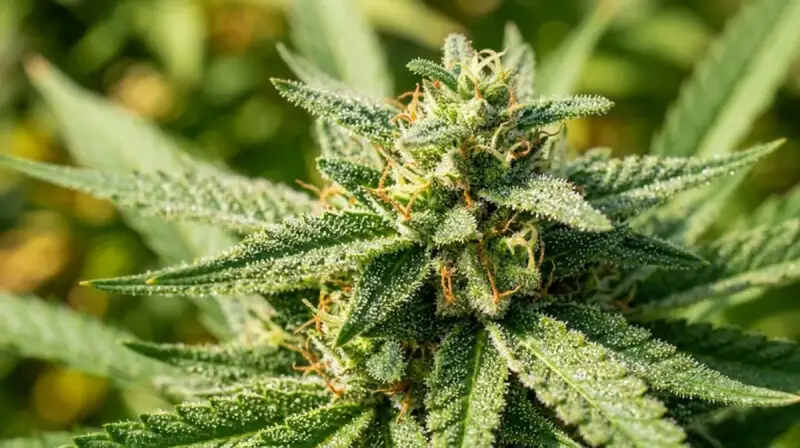
7 Key Findings — Grape Pie
- Bred by Cannarado Genetics — Cherry Pie × Grape Stomper
- THC 18-23% — indica-forward body effect
- Terpene trio: caryophyllene, myrcene, limonene
- Outstanding grape-berry-cherry candy flavor accuracy
- Deep purple coloring — anthocyanin-rich phenotype
- 8-9 week flower time, dense colorful buds
- Medical: stress, insomnia, appetite, mild pain
Strain Profile
| Type | Indica-dominant hybrid |
| Genetics | Cherry Pie × Grape Stomper |
| THC | 18-23% |
| CBD | <1% |
| Terpenes | Caryophyllene, Myrcene, Limonene |
| Breeder | Cannarado Genetics |
Grow Specs
| Flower time | 8-9 weeks |
| Difficulty | Moderate |
| Indoor yield | 350-500 g/m² |
| Outdoor yield | 400-600 g/plant |
| Bud color | Deep purple to violet |
| Best climate | Cool nights enhance purple |
What Is Grape Pie?
Grape Pie is an indica-dominant hybrid created by Cannarado Genetics, a Colorado-based breeding company known for developing dessert-forward, fruit-flavored strains with strong indica body effects. The cross pairs Cherry Pie — itself a hybrid of Durban Poison and Granddaddy Purple — with Grape Stomper, which contributes the strain’s signature authentic grape candy aroma and the genetics responsible for deep purple pigmentation.
What separates Grape Pie from the many “grape-flavored” cannabis varieties on the market is the accuracy of its flavor. Most grape-marketed strains deliver a faint grape note within a primarily earthy or fuel-forward smoke. Grape Pie achieves something genuinely close to grape confectionery — sweet, slightly tart, berry-forward — that remains consistent from the nose through to the exhale. This authenticity is a product of specific terpene ratios including elevated caryophyllene, myrcene, and limonene working in combination with anthocyanin production.
The deep purple coloring — a feature of many anthocyanin-rich phenotypes — is not purely cosmetic. The same temperature drops (cool nights below 15°C) that trigger anthocyanin expression also slow trichome resin evaporation and can enhance terpene complexity. In practice, growers who allow a 10°C day-to-night differential in the final two weeks of flower are rewarded with both maximum coloring and peak terpene expression.
Dessert Strain Flavor Map
The “dessert strain” category has expanded enormously over the past decade. Grape Pie occupies a specific position within this space: authentically fruity rather than sweet-vanilla or cake-forward, which distinguishes it from Wedding Cake, Runtz, and Ice Cream Cake relatives.
| Strain | Flavor Character | Primary Aroma | Effect Style | THC Range |
|---|---|---|---|---|
| Grape Pie | Authentic grape candy, cherry, berry | Sweet fruit, earthy | Euphoric, sedating | 18-23% |
| Cherry Pie | Sweet cherry, tart berry | Cherry, earth, pine | Balanced, relaxing | 16-24% |
| Wedding Cake | Vanilla, sweet dough, tang | Vanilla earth, pepper | Body-heavy, euphoric | 22-27% |
| Runtz | Tropical candy, citrus, cream | Fruity, sweet, floral | Uplifting, balanced | 18-25% |
Effects, Aroma & Flavor
Grape Pie opens with a cheerful, giggly euphoria that is notably social and mood-elevating. This initial phase — typically lasting 20-30 minutes — is more playful and less cerebral than sativa-dominant strains; it enhances conversation and sensory appreciation without overstimulation. Users commonly report laughter comes easily and music or film feels more engaging.
The indica body effect builds gradually through the euphoric phase, eventually becoming the dominant feature of the experience. Full-body relaxation softens muscle tension, and at doses above 10 mg THC this transitions into significant sedation. Grape Pie at high doses is best described as a “sleepy happy” strain — deeply relaxing without the anxious or paranoid edge that some high-THC indicas can produce. The caryophyllene and myrcene combination creates a calming, grounded quality that feels benign rather than heavy.
The flavor remains the defining characteristic. The nose on freshly cured Grape Pie is immediately identifiable: a wave of sweet grape candy and berry that carries a slight tartness reminiscent of Concord grape or grape-flavored chewing gum. Beneath the fruit is an earthy, slightly piney base from the Cherry Pie parent. The smoke delivers the same profile with a smooth, slightly sweet finish.
EFFECTS AT A GLANCE
Purple and Berry Indica Comparison
Purple and berry-flavored indicas form a distinct category within cannabis. Grape Pie sits among the most authentic in this group, thanks to its Grape Stomper parentage which directly contributes both the purple anthocyanin genetics and the fruit-forward terpene signature.
| Strain | Purple Genetics Source | Flavor Accuracy | THC | Best Use |
|---|---|---|---|---|
| Grape Pie | Grape Stomper | Very high | 18-23% | Evening, insomnia |
| Granddaddy Purple | Mendocino Purps × Big Bud | High (grape + berry) | 17-23% | Pain, sleep |
| Purple Punch | Larry OG × GDP | High (grape soda) | 18-20% | Relaxation, evening |
| Blueberry | DJ Short landrace cross | High (blueberry) | 17-20% | Stress, mood |
Medical Applications
Grape Pie’s caryophyllene-heavy terpene profile gives it genuine anti-inflammatory potential via CB2 receptor activity. Combined with myrcene’s muscle-relaxant properties, this makes it effective for mild-to-moderate physical discomfort. Its strong appetite-stimulating effect — a classic indica trait amplified by the CB1 activity on the hypothalamic ghrelin pathway — makes it particularly valuable for patients dealing with chemotherapy-related appetite loss or eating disorders.
For insomnia, Grape Pie at therapeutic doses (12-20 mg THC) produces the deep physical relaxation and progressive drowsiness that defines effective sleep-onset strains. The absence of a harsh or anxious edge — common in very high-THC sativa-dominant varieties — makes it suitable for anxiety-prone users who need evening relaxation without risking a racing mind.
Growing Grape Pie
Grape Pie is a moderate-difficulty strain that rewards attention to environmental detail. Its dense, colorful buds require careful management in the final weeks of flower — maintain humidity at 40-45% RH and ensure strong air circulation to prevent botrytis. The plant grows to medium height (75-100 cm indoors) with a bushy indica structure and benefits from defoliation at week 3 and week 6 of flower to open the canopy.
To maximise the purple coloration that is Grape Pie’s most marketable feature, introduce a temperature differential of 8-10°C between day and night during the final 2-3 weeks of flower. This cold stress triggers anthocyanin production in the calyx and leaf tissue without harming the plant, provided daytime temperatures remain above 18°C. Harvest timing is critical: 70% cloudy / 30% amber trichomes produce peak recreational effect; 80% amber pushes into heavier sedation.
| Parameter | Target | Notes |
|---|---|---|
| Flower time | 8-9 weeks | Push to 9 for deeper purple |
| Indoor yield | 350-500 g/m² | Defoliate wk 3 + wk 6 |
| Purple trigger | 8-10°C night drop, last 3 wk | Keep day temp ≥18°C |
| Late flower RH | 40-45% | Dense buds susceptible to botrytis |
| Harvest trichomes | 70% cloudy / 30% amber | 80% amber = heavier sedation |
Frequently Asked Questions
What is Grape Pie strain?
Grape Pie is an indica-dominant hybrid by Cannarado Genetics, bred from Cherry Pie crossed with Grape Stomper. 18-23% THC, known for authentic grape candy flavor, deep purple buds, and relaxing-to-sedating evening effects.
What does Grape Pie taste like?
Sweet, authentic grape candy on the inhale with cherry and berry undertones and a light earthy finish. It is one of the most accurate grape-flavor strains available — consistently described as tasting like grape confectionery rather than just “earthy with a hint of grape.”
What are the effects of Grape Pie?
Initial giggly euphoria and social happiness, followed by progressive full-body relaxation that deepens into sedation at higher doses. Ideal for evening use, stress relief, and insomnia. At moderate doses remains functional and social.
Why is Grape Pie purple?
Purple coloring results from anthocyanin pigments activated by cool temperatures (below 15°C) in late flower. Growers can maximise the purple by creating a 10°C day-to-night temperature differential during the final 2-3 weeks of flowering.
Explore Related
Jordan Price
Cannabis Cultivation Specialist — ZenWeedGuide
Jordan has spent a decade studying cannabis genetics and cultivation techniques. His reviews focus on verifiable lab data, terpene science, and practical grow guidance for both new and experienced cultivators.