










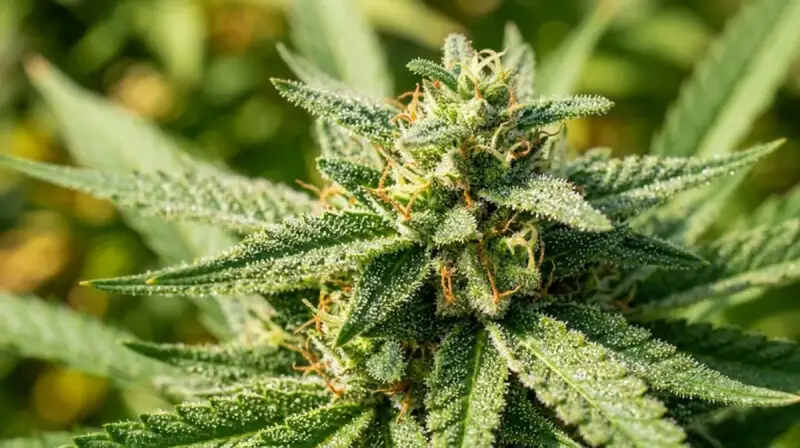
7 Key Findings — Aspen OG
- Colorado-bred heritage — high-altitude mountain genetics
- THC 18-22% — moderate-high, balanced OG potency
- Terpene trio: myrcene, caryophyllene, limonene
- Clear-headed for an indica — functional relaxation
- Earthy / pine / citrus aroma — classic OG with alpine freshness
- 8-9 week flower time — standard OG schedule
- Best for: stress, anxiety, mild pain, social relaxation
Strain Profile
| Type | Indica-dominant hybrid |
| Genetics | Sour OG × Aspen-region genetics |
| THC | 18-22% |
| CBD | <1% |
| Terpenes | Myrcene, Caryophyllene, Limonene |
| Origin | Colorado, USA |
Grow Specs
| Flower time | 8-9 weeks |
| Difficulty | Moderate |
| Indoor yield | 350-450 g/m² |
| Outdoor yield | 350-500 g/plant |
| Height | 70-90 cm indoor |
| Best climate | Continental / controlled indoor |
What Is Aspen OG?
Aspen OG is a Colorado-bred indica-dominant hybrid that carries the heritage of Sour OG — itself a cross of OG Kush and Sour Diesel — blended with genetics developed in or around Colorado’s high-altitude Aspen region. While much of the cannabis world focuses on California-origin OG cuts, Colorado has quietly developed its own lineage of OG varieties adapted to altitude, lower humidity, and the particular environmental pressures of mountain-zone cultivation.
What distinguishes Aspen OG within the OG family is a notably cleaner, more functional effect profile. Many OG Kush descendants are so heavily indica that they create near-narcotic sedation that limits daytime use. Aspen OG preserves the OG’s characteristic body relaxation and fuel-meets-earth aroma while maintaining a more alert mental state — making it functional for afternoon use in a way that strains like Master Kush or Bubba Kush typically are not.
The pine note in the aroma — contributed by both the Colorado genetics and elevated myrcene/limonene ratios — gives Aspen OG a distinctive freshness reminiscent of high-altitude forests that clearly differentiates it from the petroleum-forward coastal OG cuts.
Colorado-Bred Strain Map
Colorado has produced several distinctive strains since Amendment 64 created a regulated market in 2012. Understanding where Aspen OG sits within Colorado’s strain ecosystem helps contextualize its character.
| Strain | CO Genetics Connection | THC | Character | Effect Profile |
|---|---|---|---|---|
| Aspen OG | Sour OG × CO mountain genetics | 18-22% | Pine, earth, citrus | Clear-headed relaxation |
| Durban Poison CO | South African landrace, CO adapted | 17-20% | Sweet anise, earth | Energetic, cerebral |
| Forum Cut CO | GSC phenotype popularised in CO | 19-23% | Cookie, spice, earth | Balanced euphoria/body |
| Larry OG | OG Kush × SFV OG, CO common | 19-25% | Lemon, pine, fuel | Heavy euphoria, strong sedation |
Effects, Aroma & Flavor
Aspen OG is notable within the OG family for its relative mental clarity. The initial 10-20 minutes produce a gentle euphoric warmth — not a racing sativa cerebral rush but a calm, happy openness that makes conversation easy and reduces social anxiety. This phase is more pronounced than in heavier OG varieties like Master OG or Tahoe OG.
The body effect arrives gradually, never delivering the sudden full-body sedation of some indica-dominant OGs. Muscle tension releases progressively; the mind remains functional. Many users describe the experience as feeling “comfortably grounded” rather than couch-locked. At doses above 10-12 mg THC, sedation becomes more pronounced and the strain transitions into suitable evening territory.
On the nose, Aspen OG delivers a complex OG signature: the fuel-and-earth base typical of the lineage is present, but tempered by a distinctive pine freshness and bright citrus lift. This alpine quality is not typical of most California OGs — it reads closer to a Pacific Northwest OG than a San Fernando Valley cut. The smoke is smooth and earthy, with a lemon-pine finish.
EFFECTS AT A GLANCE
OG Family Terpene Signatures
Terpene profiles vary significantly across OG varieties. Myrcene is the sedative workhorse of most OG cuts; caryophyllene adds anti-inflammatory properties; and limonene provides the citrus brightness. Aspen OG’s relative limonene prominence explains its cleaner mental character compared to myrcene-dominant OGs.
| OG Strain | Dominant Terpene | Secondary | Aroma Character | Effect Tendency |
|---|---|---|---|---|
| Aspen OG | Myrcene | Caryophyllene + Limonene | Pine, citrus, earth | Clear-headed, balanced |
| OG Kush | Myrcene | Limonene + Caryophyllene | Fuel, earth, spice | Heavy euphoria, sedating |
| SFV OG | Myrcene | Caryophyllene + Ocimene | Lemon-gas, herbal | Functional, mild euphoria |
| Tahoe OG | Myrcene | Limonene + Linalool | Lemon, earth, pine | Strong sedation, sleep |
Medical Uses & Best Applications
Aspen OG’s balanced effect profile makes it particularly well-suited for daytime or early-evening medical use. Unlike fully sedating indicas, it can provide meaningful stress and anxiety relief without impairing daily function at moderate doses (5-10 mg THC). Its caryophyllene content contributes anti-inflammatory support for mild-to-moderate pain conditions, and the myrcene backbone provides the muscle-relaxing quality valued in OG Kush lineage strains.
| Condition | Aspen OG Mechanism | Dose Range | Use Window |
|---|---|---|---|
| Stress | Limonene anxiolytic + CB1 relaxation | 5-10 mg THC | Afternoon / evening |
| Anxiety | Caryophyllene CB2 + calming | 2.5-7.5 mg (caution above) | Daytime or social |
| Mild pain | Caryophyllene anti-inflammatory | 7.5-12 mg | Any time |
| Insomnia (mild) | Myrcene sedation at higher doses | 10-15 mg, 60 min before bed | Evening only |
Growing Aspen OG
Aspen OG grows with the typical OG structure: compact to medium height (70-90 cm indoors), dense bud formation, and relatively low stretch during the flip to 12/12. The plant is moderately forgiving compared to more finicky elite OG cuts, making it accessible to intermediate growers. Its Colorado heritage means it is acclimatised to lower-humidity conditions, which is a practical advantage in grow rooms — it tolerates drier environments better than many tropical-heritage strains.
The main cultivation challenge is the same as most OG varieties: the dense, hard buds that make for exceptional smoke also create the conditions for botrytis in late flower if humidity rises above 50%. Maintain 40-45% RH from week 5 of flower onward and ensure adequate airflow through the canopy. LST during vegetation opens the structure and reduces bud-on-bud contact.
| Parameter | Vegetation | Early Flower (wk 1-4) | Late Flower (wk 5-9) |
|---|---|---|---|
| Light schedule | 18/6 | 12/12 | 12/12 |
| Temperature | 22-26°C | 20-24°C | 18-22°C (overnight dip +5°C) |
| Humidity | 55-65% RH | 50-55% RH | 40-45% RH |
| Nutrients | N-dominant 3:1:2 | Transition 1:2:2 | P/K-dominant 1:3:3, flush wk 8 |
| pH (soil) | 6.2-6.5 | 6.0-6.5 | 6.0-6.3 |
Frequently Asked Questions
What is Aspen OG?
Aspen OG is a Colorado-bred indica-dominant hybrid from Sour OG crossed with high-altitude Aspen-region genetics. It delivers 18-22% THC with a cleaner, more alert effect profile than typical heavy indicas, plus a distinctive pine-citrus-earth aroma.
What are the effects of Aspen OG?
Expect euphoric warmth and calm mental clarity followed by progressive body relaxation. Less sedating than many OG varieties at standard doses, making it suitable for afternoon use. At higher doses sedation increases and it works well as an evening strain.
How does Aspen OG compare to OG Kush?
OG Kush is heavier, more narcotic, and more sedating. Aspen OG sits at lower-moderate THC (18-22% vs 22-27%) and offers a cleaner head state while retaining OG body relaxation. The pine-freshness aroma differentiates it from OG Kush’s classic fuel-and-spice character.
Is Aspen OG hard to grow?
Moderate difficulty. Dense OG bud structure requires careful humidity control (40-45% RH in late flower) to prevent botrytis. Yields 350-450 g/m² indoors in 8-9 weeks. More forgiving than elite OG cuts but rewards attentive environmental management.
Explore Related
Jordan Price
Cannabis Cultivation Specialist — ZenWeedGuide
Jordan has spent a decade studying cannabis genetics and cultivation techniques. His reviews focus on verifiable lab data, terpene science, and practical grow guidance for both new and experienced cultivators.