









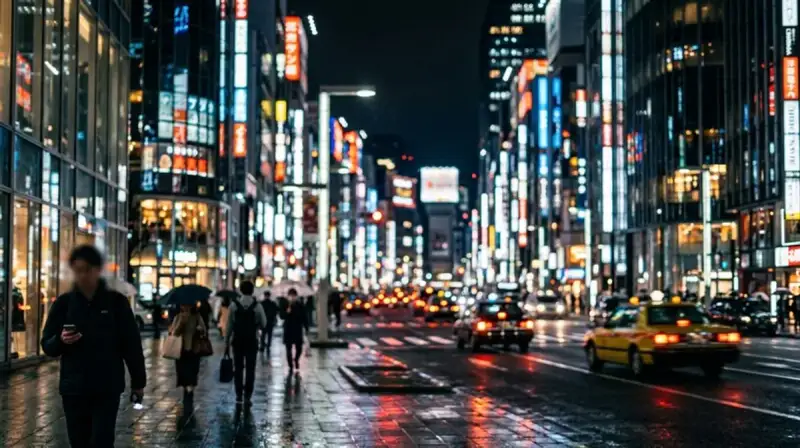
Las Vegas draws more than 40 million visitors per year, and since Nevada legalized recreational cannabis in 2017, a significant portion of those visitors arrive with cannabis tourism on their agenda. But Las Vegas is one of the most legally complex destinations for cannabis tourists in the United States. The combination of casino-heavy strip real estate, federal jurisdiction concerns, and Nevada’s specific consumption laws creates a set of rules that surprise many visitors. This guide covers every key consideration before and during your visit.
Nevada Adult-Use Cannabis: The Legal Framework
Nevada voters approved adult-use cannabis via Ballot Question 2 in November 2016, and recreational sales launched on July 1, 2017. Adults 21 and over may legally purchase up to 1 ounce (28 grams) of cannabis flower, or 3.5 grams of concentrate, per transaction. There is no limit on the number of transactions per day, though purchases must be made from Nevada Cannabis Compliance Board (CCB)-licensed retail dispensaries.
Cannabis is a state-legal, federally illegal substance. This creates specific complications in Las Vegas that don’t apply in cities where the tourist economy is primarily based on state-only activity. The Las Vegas Strip is largely located in Clark County, on land that includes many federally owned or federally regulated parcels. Any property where federal jurisdiction applies — federal buildings, federal land, national parks, VA facilities — prohibits cannabis possession and use regardless of Nevada state law.
Home cultivation is permitted for adults 21+ in Nevada: up to six plants per person, 12 per household, provided the plants are not visible from a public space and are cultivated in a locked area. This is relevant primarily for residents rather than tourists. For the full Nevada cannabis law breakdown, including possession limits and penalties, see our dedicated guide.
The Critical Casino Rule: No Consumption Inside
This is the single most important fact for Las Vegas cannabis tourists: you cannot consume cannabis inside any casino, including on casino-connected properties. This applies universally across the Strip, Downtown Las Vegas, and all other casino properties in Nevada. The prohibition has multiple legal bases: casinos operate under federal gaming licenses and are subject to federal oversight; most casino properties prohibit cannabis in their operational policies; and Nevada law does not permit cannabis consumption in any non-licensed venue that serves alcohol or is open to minors.
The practical consequence is that if you’re staying in a casino hotel — as most Strip visitors do — you cannot consume cannabis in your room, in the casino, by the pool, in the restaurants, or anywhere on the property without violating Nevada’s public consumption law and likely the hotel’s terms of stay. Hotels may charge substantial cleaning fees (reported at $250–$500+) for evidence of cannabis use in rooms, even if no legal action is taken. The smell of cannabis is enough to trigger the fee.
Some non-casino hotels and short-term rental properties (Airbnb, VRBO) have more permissive policies, but these vary by property and should be confirmed explicitly before booking. Certain cannabis-friendly hotels have emerged in the Las Vegas market — typically away from the Strip in neighborhoods like Downtown or the Arts District — that explicitly permit consumption in designated outdoor areas.
Licensed Social Consumption Lounges: Where You Can Actually Consume
Nevada became the third US state (after California and Colorado) to license cannabis social consumption venues. Las Vegas now has a growing number of licensed consumption lounges where adults 21+ can purchase and consume cannabis on premises. These venues are operating under specific licensing from the Nevada CCB and must follow strict rules: no alcohol service, visible security, ventilation requirements, and no access for minors under any circumstances.
Consumption lounge experiences vary. Some are attached to dispensaries and function as a consume-on-site add-on to a retail purchase. Others are standalone venues with entertainment, food service (non-infused), and a social environment designed specifically for cannabis tourism. The lounge model is the legally correct answer to the question “where can I smoke weed in Las Vegas?” — and it’s a better experience than trying to find illicit workarounds in a city with significant law enforcement presence on tourist thoroughfares.
Nevada also allows cannabis consumption in designated smoking areas at certain outdoor events and festivals, provided the event organizer has obtained the appropriate permit. Check event-specific policies, as enforcement and permitting vary considerably.
Dispensary Neighborhoods: Where to Shop Near the Strip
| Area | Distance from Strip | Character | Notes for Visitors |
|---|---|---|---|
| South Strip (Russell Rd area) | 0.5–2 miles | Multiple dispensaries, high competition | Most accessible for Strip hotel guests via rideshare; card-friendly |
| Downtown Las Vegas | 3–5 miles | Arts District adjacent, local vibe | Consumption lounges more common in this area; cannabis-friendly hotels nearby |
| West Las Vegas / Spring Valley | 3–6 miles | Suburban dispensaries, less tourist-facing | Often lower prices than Strip-area shops; primarily local customer base |
| Henderson (suburb) | 8–15 miles | Clean, suburban, family-adjacent | Further from Strip but serves local population with competitive pricing |
| North Las Vegas | 4–8 miles | Industrial, neighborhood-focused | Less tourist-facing; some large-format dispensaries with wide selection |
Purchasing at a Las Vegas Dispensary: What to Expect
All Nevada dispensaries require valid government-issued ID proving age 21+. Acceptable IDs include US driver’s licenses, state IDs, passports, and military IDs. Foreign passports are accepted. International visitors should bring their passport — a foreign driver’s license is typically not sufficient. The ID check happens at the dispensary entrance before you can access the retail floor — you will not be served without valid ID, no exceptions.
Payment: While Nevada law requires dispensaries to accept some form of electronic payment, practical card acceptance varies. Many dispensaries primarily operate on a cash basis due to banking restrictions related to federal illegality of cannabis. ATMs are typically available on premises. Visitors who prefer cashless transactions should specifically seek out dispensaries that advertise card-friendly payment (debit or cashless ATM systems).
Budtenders (dispensary sales staff) are typically knowledgeable and happy to guide first-time purchasers. Don’t hesitate to ask for recommendations based on your desired experience, tolerance level, and preferred consumption method. Prices in Las Vegas dispensaries are competitive with other major US cannabis markets. State taxes are 15% excise tax plus standard sales tax, which adds roughly 26–30% total to the sticker price.
Transportation: The DUI and Open Container Rules
Nevada has a per se DUI law for cannabis: driving with 2 nanograms/mL of THC or 5 ng/mL of THC metabolites in blood is illegal, regardless of subjective impairment. Given that THC can be detectable in blood well after impairment has passed — especially in regular users — the safest rule is simple: never drive after consuming cannabis. Las Vegas has abundant rideshare service (Uber, Lyft) and taxi service — use them.
Cannabis may not be transported in an open container (any container other than the original sealed packaging from the dispensary) in a vehicle. Consumed products or opened packages should be stored in the trunk or another area inaccessible to the driver and passengers.
Airport Warning: TSA Jurisdiction and Flying with Cannabis
Harry Reid International Airport (LAS) is federal property, subject to federal jurisdiction, and entirely off-limits for cannabis possession. The Transportation Security Administration (TSA) operates under federal law. While TSA has stated that its primary mission is security rather than drug enforcement, and that it will refer any discovered cannabis to law enforcement rather than confiscate and arrest directly, local law enforcement at LAS can and does enforce federal law on federal property.
More critically: bringing cannabis onto an aircraft, regardless of your departure or destination state, is a federal crime. This applies even when flying between two states where cannabis is legal. Do not bring cannabis to or through the airport. Consume or dispose of any remaining product before your departure, and do not attempt to mail cannabis products, either.
For more on legal cannabis travel, see our comprehensive traveling with cannabis guide and the Nevada state overview.
Cannabis-Friendly Activities and Experiences Near the Strip
The gap between “you can buy cannabis legally in Nevada” and “you can have a good cannabis experience in Las Vegas as a tourist” has narrowed considerably since 2017, as entrepreneurs have built out cannabis-adjacent experiences specifically targeting visitors. Beyond consumption lounges, several categories of cannabis tourism experiences have established themselves in the Las Vegas market.
Cannabis and art experiences: Multiple Las Vegas venues offer cannabis-compatible creative experiences, including painting classes at BYOC-friendly venues, photography workshops, and immersive art installations where consumption is either explicitly permitted in designated outdoor areas or where the venue is cannabis-neutral. The Downtown Arts District (18b Arts District) is the primary hub for this type of experience — it’s culturally more aligned with cannabis-friendly events than the Strip and has more independent venues with flexible policies.
Cannabis-pairing dinners: Nevada’s unique culinary scene has produced several private dining experiences that pair cannabis terpene and cannabinoid profiles with food courses, similar to wine pairing dinners. These are typically held at private venues rather than licensed restaurants (restaurants may not permit cannabis consumption), and are organized as ticketed private events. They attract both cannabis enthusiasts and culinary tourists curious about the intersection of cannabis and gastronomy. Terpene pairing is the primary conceptual framework: limonene-dominant strains paired with citrus-forward dishes, myrcene-dominant with earthy/umami preparations, etc. For the science behind terpene flavor profiles, see our terpene explainer.
Navigating Las Vegas Cannabis Quality: What to Look For
Nevada’s legal cannabis market is mature and competitive, which means product quality and testing standards are generally high. However, the tourist-focused dispensaries near the Strip may carry premium-priced products oriented toward one-time buyers rather than everyday consumers. Local residents often shop at dispensaries in residential neighborhoods for better price-to-quality ratios.
When evaluating products, prioritize those with a complete Certificate of Analysis (COA) from an accredited Nevada testing laboratory. All legal Nevada dispensary products must be tested for potency, residual pesticides, heavy metals, and microbial contamination — but the depth of terpene analysis varies by producer. For the most complete information, look for products where the COA includes a full terpene profile rather than just total THC and CBD percentages. This is particularly relevant for cannabis tourists who have a specific therapeutic goal (pain relief, sleep, creativity) and want to match terpene chemistry to their needs. Nevada’s testing standards are enforced by the Cannabis Compliance Board and are among the stricter in the US recreational market. For state law context, see the Nevada state overview and Las Vegas travel guide.
Related reading: Nevada Cannabis Laws · Nevada State Overview · Los Angeles Cannabis Guide · Denver Cannabis Tourism · Traveling with Cannabis · Las Vegas Dispensaries

Marcus Webb
Medical Cannabis Writer — ZenWeedGuide
Marcus Webb covers cannabis policy, travel regulations, and the US legal landscape for ZenWeedGuide. He tracks dispensary market developments across major US cannabis tourism destinations. Full profile.