









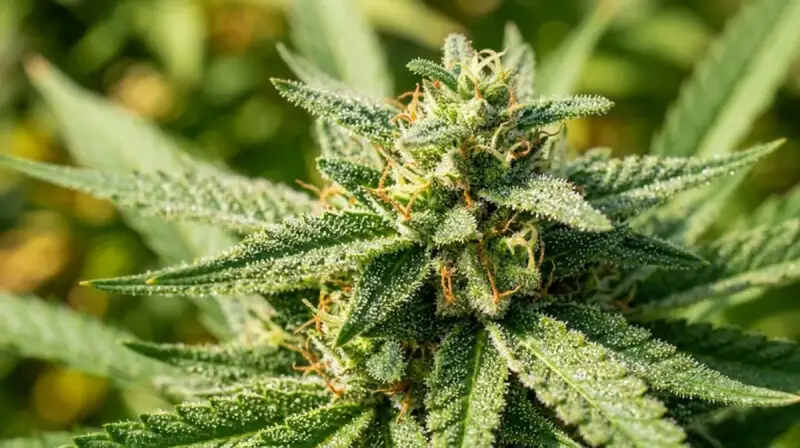
Best Flavored Cannabis Strains: The Definitive Guide to Cannabis Taste & Aroma
By ZenWeedGuide Editorial Team | Updated 2024 | 8 min read |
- Cannabis flavor is driven by terpenes — aromatic compounds that also influence effects through the entourage effect.
- The top five terpenes responsible for standout flavor are limonene, myrcene, linalool, terpinolene, and caryophyllene.
- Strains like Zkittlez, Gelato, Mimosa, Tangie, and Tropicana Cookies consistently top consumer flavor rankings.
- Improved breeding and cultivation techniques since 2015 have dramatically elevated the flavor complexity of modern cannabis.
- Flavor preference now rivals THC percentage as a key purchasing factor among experienced cannabis consumers in legal states.
- Proper curing and storage preserves terpene integrity — poorly handled cannabis loses up to 55% of its terpene content.
- Cannabis laws vary by state — always check your state's cannabis regulations before purchasing or consuming.
Background: Why Cannabis Flavor Has Become a Consumer Priority
For decades, the primary metric consumers used to evaluate cannabis was potency — specifically THC percentage. Dispensary menus were dominated by high-THC labels, and the nuanced world of aroma and flavor took a back seat to the raw numbers on a lab report. That has changed dramatically over the past decade, particularly as legal cannabis markets matured across the United States.
Today, flavor is one of the most significant drivers of consumer choice. A 2023 survey by cannabis analytics firm Headset found that nearly 72% of regular cannabis consumers in legal states cited flavor and aroma as primary or co-primary factors in strain selection — outranking indica vs. sativa classification and often rivaling THC content. This shift mirrors broader trends in premium food and beverage culture, where craft beer drinkers, wine enthusiasts, and specialty coffee lovers have long prioritized complexity and sensory experience over raw alcohol or caffeine content.
The science underpinning cannabis flavor lies in terpenes — volatile aromatic compounds synthesized in the same trichomes that produce cannabinoids like THC and CBD. Over 400 distinct terpenes have been identified in the cannabis plant, though roughly a dozen account for the most dominant flavor and aroma characteristics. Understanding terpenes is the key to understanding why some strains taste like fresh mangoes while others evoke diesel fuel, pine resin, or fresh-baked cookies. Explore our in-depth terpenes guide to learn how each compound shapes your experience.
The rise of craft cannabis breeding — particularly in Northern California, Colorado, and the Pacific Northwest — has produced a new generation of strains engineered specifically for flavor complexity. Breeders like the Cookies Fam, Compound Genetics, and Symbiotic Genetics have introduced cultivars that push the boundaries of what cannabis can smell and taste like, drawing comparisons to everything from tropical punch to cream cheese pastry. These developments have transformed the strain landscape fundamentally.
Key Developments: Milestones in Cannabis Flavor Evolution
| Year | Milestone | Significance |
|---|---|---|
| 1990s | OG Kush & Sour Diesel emerge in California | First widely recognized "flavor landmark" strains with distinct fuel and citrus profiles |
| 2003 | Blueberry wins High Times Cannabis Cup | Elevated consumer awareness of berry terpene profiles; drove demand for fruity genetics |
| 2012 | Colorado & Washington legalize adult-use cannabis | Legal markets create financial incentive for flavor-focused breeding programs |
| 2015 | Zkittlez debuts in California dispensaries | Becomes benchmark for candy-fruit flavor; wins multiple Cannabis Cups; inspires new wave of breeding |
| 2017 | Gelato achieves national recognition | Cookie-dessert flavor profile mainstreamed; triggers "dessert strain" trend in breeding |
| 2019 | Terpene lab testing becomes standard practice | Dispensaries begin listing full terpene panels; consumers gain scientific tools to choose by flavor |
| 2021 | Mimosa & Tropicana Cookies break into national top-10 lists | Citrus-dominant strains surge in popularity; tropical flavor profiles cement market dominance |
| 2023–2024 | Exotic & candy-gas hybrids trend | New cultivars blend sweet, fuel, and tropical notes; micro-batch craft cannabis fetches premium prices |

Impact on Consumers: How Flavor Diversity Changes the Cannabis Experience
The proliferation of distinctly flavored cannabis strains has had profound practical implications for everyday cannabis users. Perhaps most importantly, it has enabled more personalized consumption experiences — consumers can now select strains based not just on desired effect but on sensory preference, time of day, and even pairing with food or activities.
For medical cannabis patients, flavor preferences carry additional significance. Many patients managing chronic conditions report that aversive flavors reduce their willingness to maintain consistent regimens. Access to better-tasting options — particularly strains with mild, sweet, or fruity profiles — can meaningfully improve medication adherence. Dispensary staff and budtenders in states with robust medical cannabis programs increasingly factor flavor into their recommendations for new patients.
The introduction of standardized terpene testing has also empowered consumers to move beyond the often-misleading indica/sativa binary. Rather than guessing at effects based on plant morphology labels, experienced consumers can now read a terpene panel and make educated predictions about whether a strain will be energizing, relaxing, creative-enhancing, or sedating. Our cannabis effects guide breaks down the relationship between terpenes, cannabinoids, and user experience in detail.
One practical consideration worth noting: flavored strains don't exempt users from workplace drug testing policies. Whether a strain smells like blueberries or diesel fuel, THC metabolites remain in the body for comparable periods. If you're concerned about testing windows, review our comprehensive drug testing guide for accurate information on detection times and testing methods.
Top Flavored Cannabis Strains: Terpene Profiles Compared
| Strain | Dominant Terpenes | Flavor Profile | Effect Tendency | THC Range |
|---|---|---|---|---|
| Zkittlez | Myrcene, Linalool, Caryophyllene | Tropical fruit candy, grape, berry | Relaxing, mood-lifting | 18–23% |
| Gelato | Caryophyllene, Limonene, Myrcene | Sweet cream, citrus, berry dessert | Balanced euphoria | 20–25% |
| Mimosa | Limonene, Beta-Pinene, Myrcene | Fresh orange, tropical citrus, floral | Uplifting, energetic | 19–27% |
| Blue Dream | Myrcene, Caryophyllene, Terpinolene | Sweet blueberry, light vanilla, herbal | Gentle euphoria, creative | 17–24% |
| Tangie | Terpinolene, Myrcene, Ocimene | Fresh tangerine peel, citrus zest | Uplifting, cerebral | 19–22% |
| Strawberry Cough | Myrcene, Caryophyllene, Pinene | Fresh strawberry, light pepper, earthy | Social, focused | 15–20% |
| Tropicana Cookies | Limonene, Caryophyllene, Linalool | Tropical orange, cookies, citrus candy | Euphoric, relaxing | 20–28% |
| Wedding Cake | Caryophyllene, Limonene, Myrcene | Vanilla frosting, sweet dough, earthy pepper | Heavy relaxation, euphoric | 22–27% |
Industry Perspective: Flavor as a Market Driver
The cannabis industry's embrace of flavor as a core commercial proposition represents one of the most significant market evolutions since legalization began in earnest. Dispensaries in mature markets like California, Colorado, and Oregon have increasingly restructured their menus around flavor categories — citrus, dessert, tropical, fuel, earthy, and floral — rather than the traditional indica/sativa/hybrid taxonomy. This shift reflects not just changing consumer preferences but savvy market positioning by retailers seeking to differentiate in increasingly crowded markets.
Premium "craft" cannabis — small-batch, flavor-forward flower grown under optimal conditions — commands a substantial price premium. In California dispensaries, craft flower often retails at $65–$80 per eighth ounce, compared to $30–$45 for standard flower. Brands like Cookies, Jungle Boys, and Connected Cannabis Co. have built multi-million dollar businesses essentially on the promise of superior terpene expression and flavor consistency.
"Terpenes are becoming the new THC percentage. Educated consumers no longer just ask how strong it is — they want to know what it smells like, what the terpene panel looks like, and how it was grown. Flavor is the new luxury marker in cannabis retail."
The investment community has taken note. Cannabis-focused venture capital funds have increasingly backed breeding technology companies developing proprietary terpene enhancement techniques, including specialized LED lighting spectrums, soil biology…