










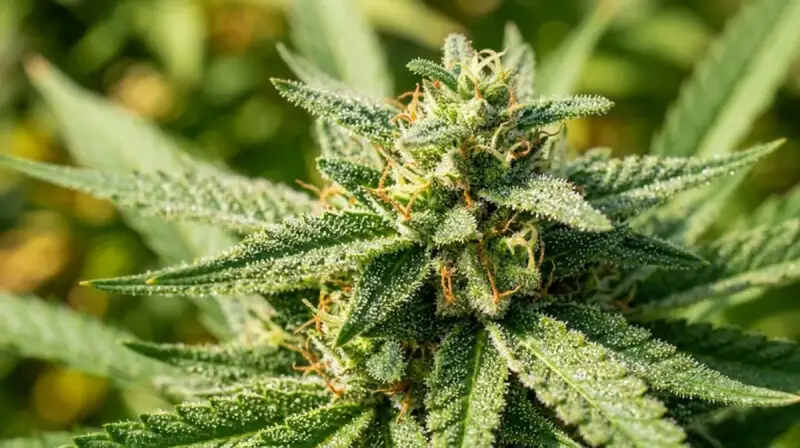
- Cannabis concentrates contain 60–90% THC vs. 15–30% in flower — a single 0.1g dab hit (at 80% THC) delivers 80mg THC, equivalent to 8 standard-dose edibles.
- Wax, shatter, budder, and crumble are all BHO (butane hash oil) products — the difference is extraction temperature and agitation during purging, which determines final texture.
- Live resin preserves the highest terpene content of any concentrate because it’s extracted from fresh-frozen (not dried) plant material — fresh-frozen locks in volatile terpenes that degrade during drying and curing.
- Rosin is the only solventless wax-type concentrate made without hydrocarbons — extracted using heat and pressure alone; considered the cleanest option with no residual solvent risk.
- Closed-loop extraction systems are required by law in most licensed states — open-loop BHO extraction (home) is illegal and dangerous due to explosive butane vapor risk.
- Concentrates require specialized consumption equipment: a dab rig with a quartz banger (600–750°F for optimal flavor/effect), an e-nail for temperature precision, or a vaporizer with concentrate chamber.
- Tolerance escalates rapidly with concentrate use — users who switch from flower to daily dab use often require a complete tolerance break (2–4 weeks) to return to pre-concentrate sensitivity.
Types of Cannabis Concentrates: The Complete Taxonomy
The concentrate category encompasses a wide range of products that differ in extraction method, texture, potency, and terpene content. “Wax” is often used colloquially to mean any dabbable concentrate, but the term has a specific technical meaning: a BHO product that has been agitated during purging to produce a soft, opaque, malleable texture. Understanding the full taxonomy prevents confusion at the dispensary and helps consumers choose the right product for their needs.
The single most important variable in concentrate quality is source material. Concentrates made from premium whole-flower trim will produce better flavor, higher terpene content, and a more complex entourage effect profile than concentrates made from shake or low-grade biomass, regardless of the extraction method used. “Trim-run” vs. “nug-run” labeling is a reliable quality indicator in states where it is disclosed. See the entourage effect guide for why terpene content matters in concentrate selection.
| Product | Extraction Method | Texture | THC Range | Terpene Preservation | Best For | Price Range (per g) |
|---|---|---|---|---|---|---|
| Wax | BHO (closed-loop) | Soft, opaque, malleable | 60–80% | Moderate | Beginners to concentrates, easy handling | $25–$45 |
| Shatter | BHO (closed-loop) | Glass-like, brittle, amber | 70–90% | Moderate–Good | Potency-focused users, experienced dabbers | $30–$50 |
| Budder / Badder | BHO (whipped) | Creamy, butter-like | 70–90% | Good | Flavor-focused users, easy portioning | $30–$55 |
| Crumble | BHO (low-temp purge) | Dry, crumbly, honeycomb | 60–85% | Moderate | Adding to bowls/joints, easy dosing | $20–$40 |
| Live Resin | BHO from fresh-frozen | Sauce-like, wet, crystalline | 65–85% | Excellent (2–5× standard) | Terpene connoisseurs, full entourage effect | $45–$80 |
| Live Rosin | Solventless press from live hash | Soft, waxy, golden | 65–85% | Excellent | Solvent-free consumers, craft/premium market | $60–$120 |
| HTFSE (Sauce) | BHO (low-temp, long purge) | Liquid sauce with crystals | 45–70% (+ THCA diamonds) | Excellent | Maximum terpene + cannabinoid separation | $50–$90 |
| THCA Diamonds | BHO crystallization | Solid crystals (99%+ THCA) | 95–99% THCA | None (pure isolate) | Maximum potency, mixing with sauce | $60–$100 |
BHO Extraction: How Wax Is Made
Butane hash oil extraction is the dominant method for producing cannabis concentrates in the legal US market. In a licensed closed-loop system, liquid butane is pushed through a column packed with cannabis flower under controlled pressure and temperature. Butane dissolves the nonpolar compounds — primarily cannabinoids and terpenes — while leaving behind plant water, chlorophyll, and most plant waxes and lipids. The butane-and-cannabinoid solution collects in a recovery tank, where the butane is recaptured under vacuum for reuse.
The dissolved oil then undergoes a dewaxing step (winterization): it is chilled to -20°F to -40°F, causing lipids and plant waxes to solidify and fall out of solution. These are filtered out, improving the purity and flavor of the final product. The dewaxed oil is then placed in a vacuum oven for purging — gentle heat (90–110°F) and vacuum pressure slowly drives off residual butane. Licensed facilities must achieve residual solvent levels below 500 ppm per most state regulations; quality operations target below 50 ppm.
The texture of the final product is entirely determined by how the oil is handled during purging:
- Wax: Oil is whipped or agitated during purging, introducing air bubbles and nucleation points that create the opaque, soft texture.
- Shatter: Oil is purged without agitation at stable temperature, allowing it to set into a clear, brittle sheet.
- Budder: Oil is agitated at slightly higher temperatures than wax, producing a creamy, butter-like consistency.
- Crumble: Oil is purged at lower temperatures for longer periods, producing a dry, crumbly texture with more residual moisture.
Why home BHO extraction is illegal and dangerous: Butane vapor is heavier than air and accumulates at floor level, creating explosive vapor clouds that can ignite from a single spark. Dozens of serious injuries and deaths have resulted from home extraction attempts. Commercial closed-loop systems prevent butane from contacting air entirely. In all US legal states, BHO extraction without a licensed facility and appropriate equipment is a criminal offense, regardless of the quantity being produced.
Solventless Concentrates: Rosin, Hash, and Bubble Hash
Solventless concentrates represent the fastest-growing segment of the premium concentrate market. They are produced without any hydrocarbon or chemical solvent, using only mechanical force, heat, pressure, ice, and water. For consumers concerned about residual solvent risk or who prefer minimal processing, solventless options provide comparable potency to BHO with a verified-clean extraction process.
Rosin is made by pressing cannabis material between two heated plates at 160–220°F under high pressure. The heat and pressure squeeze the resinous oil through the trichome heads and stalks, collecting on parchment paper below. Flower rosin from quality starting material typically yields 12–22% by weight with 65–80% THC. Hash rosin (pressing bubble hash rather than flower) produces higher yields and superior terpene content, commanding premium prices in the craft market.
Bubble hash (ice water hash) is made by agitating fresh or dried cannabis in ice water, which causes trichome heads to snap off at the frozen stalk. The trichome-rich water is filtered through a series of mesh screens (73, 90, 120, 160 micron) to separate by trichome size. The collected hash is then freeze-dried to remove moisture without heat damage to terpenes. Full-melt bubble hash (6–star grade) is among the most flavorful concentrates available and is the preferred starting material for live rosin production.
| Concentrate | Solvent Used | Typical Yield | THC Range | Terpene Content | Residual Solvent Risk |
|---|---|---|---|---|---|
| BHO Wax/Shatter | Butane (recaptured) | 12–20% of flower weight | 60–90% | Moderate | Present (regulated <500 ppm) |
| Live Resin (BHO) | Butane (recaptured) | 10–18% | 65–85% | Excellent | Present (regulated) |
| Flower Rosin | None | 12–22% | 65–80% | Good | Zero |
| Live Rosin (hash press) | None | 3–8% of flower (2-stage) | 65–85% | Excellent | Zero |
| Bubble Hash (full-melt) | Water & ice only | 8–15% | 50–75% | Excellent | Zero |
How to Consume Concentrates Safely
The primary consumption method for wax and most concentrates is dabbing — vaporizing a small amount of concentrate on a heated surface and inhaling the vapor through a water pipe. Compared to combustion, vaporization at controlled temperatures preserves more terpenes, produces less respiratory irritation, and delivers cannabinoids more efficiently. The key variable is temperature control.
Dab rig setup: A dab rig consists of a glass water pipe fitted with a quartz banger (the heating element, also called a nail) instead of a standard bowl. The banger is heated with a butane torch to operating temperature, allowed to cool briefly, then the concentrate is applied with a dab tool and the vapor is inhaled through the rig. A carb cap placed over the banger after concentrate application restricts airflow and creates low-pressure convection that vaporizes at lower temperatures.
| Temperature Range | Effect | Terpene Preservation | Vapor Density | Best For |
|---|---|---|---|---|
| Low: 450–550°F | Mild to moderate | Excellent — full terpene flavor | Light | Flavor-focused use, daytime microdosing |
| Mid: 550–650°F | Moderate to strong | Good — most terpenes preserved | Medium | Balanced flavor and effect — most common |
| High: 650–750°F | Intense | Reduced — some terpene degradation | Dense | Maximum effect, experienced users only |
| Over 750°F | Harsh, combustion risk | Poor — terpenes destroyed | Very dense / combusted | Not recommended |
E-nails and e-rigs (electronic temperature control devices) eliminate torch guesswork entirely and allow precise temperature setting to within 5°F. Brands like Puffco, Dr. Dabber, and High Five produce reliable e-nails and self-contained e-rigs. For beginners to concentrates, an e-rig is the recommended starting point — the torch-heated banger approach has a significant learning curve and both undershoot (wasted concentrate) and overshoot (harsh combustion) are common early mistakes.
Concentrates can also be added to flower in a bowl or joint (“twaxing”), but this method wastes a significant portion of terpenes through combustion and makes dose control difficult. It is not the recommended consumption method for concentrate use. See the full consumption methods guide for all options.
Reading Concentrate Lab Reports
All legal-market concentrates should be accompanied by a third-party Certificate of Analysis (COA). Reading concentrate COAs requires understanding a few concepts that differ from flower COA interpretation.
THCA vs. activated THC: Most cannabis lab reports list THC as THCA (tetrahydrocannabinolic acid) — the non-psychoactive precursor that converts to THC when heated (decarboxylation). The conversion formula is: Total THC = THCA × 0.877 + THC. A concentrate labeled “90% THCA” contains approximately 79% activated THC after dabbing. Some labs report “Total Potential THC” which applies this formula automatically. Misreading THCA as THC overstates potency by approximately 12–15%.
Residual solvents panel: Look for butane, propane, pentane, and hexane levels. California and most other states set limits of 5,000 ppm for butane in concentrates (500 ppm for other solvents). Quality producers target below 500 ppm total. Products without a residual solvent panel should be treated with caution — this is a non-optional safety test for BHO products.
Pesticide sensitivity: At concentrate dosing levels, pesticide exposure risk is significantly higher than with flower. A 20:1 concentration ratio means pesticide residues that are negligible in flower become potentially harmful in concentrates. Concentrates should ideally be tested at a 10× lower threshold than flower standards. Look for COAs that explicitly confirm pesticide testing and “not detected” results.
Terpene percentages: Live resin COAs from quality labs will include a terpene panel. A total terpene content above 3% is good; above 5% is excellent; above 8% in live resin is exceptional. The dominant terpene profile can be cross-referenced against the entourage effect guide to predict the experience. See the full COA reading guide for detailed instruction.
Concentrate Dosing for Beginners
Concentrate dosing is one of the highest-risk areas in cannabis consumption for new users. The near-immediate onset (effects within 60–90 seconds of inhalation), the extreme potency differential vs. flower, and the lack of intuitive dose-measurement tools make overconsuming concentrates easy and recovering from it slow.
Dose equivalence framework: At 80% THC, a 0.025g (25mg) dab delivers 20mg of activated THC — equal to two standard edible doses and well above the recommended starting dose of 5mg for new users. A “small” dab for an experienced concentrate user (0.05–0.1g) delivers 40–80mg THC. For comparison, the same amount of mid-potency flower (20% THC) in a joint delivers 15–30mg THC across many inhalations with natural pacing built in.
Tolerance escalation: Daily concentrate use causes faster and more severe tolerance escalation than flower use. The CB1 receptor downregulation that drives tolerance is dose-dependent; concentrate users routinely reach a point where no amount produces the desired effect. A structured tolerance break of 2–4 weeks is often necessary to restore sensitivity. Some heavy concentrate users report needing 30+ days before significant tolerance reduction is noticeable.
Greening out risk: Consuming too much THC at once — particularly in concentrate form — can produce acute THC toxicity (greening out): rapid heart rate, intense anxiety or panic, dizziness, nausea, and temporary dissociation. This is not medically dangerous for healthy adults but is extremely unpleasant and can last 1–3 hours. The treatment is: remain calm, lie down, stay hydrated, consume CBD if available (it reduces THC intensity), and wait. See the greening out guide for full detail.
Beginner guidance: If transitioning from flower to concentrates, start with a dose no larger than a grain of rice (approximately 0.02g). Use low-temp dabs (450–550°F). Wait 10 minutes before considering a second hit. Do not use concentrates without an experienced companion present for the first several sessions. Check full dosing guidance before proceeding.
Frequently Asked Questions
Both are BHO products from the same extraction process. The difference is entirely in post-extraction handling: shatter is purged without agitation into a glass-like brittle sheet; wax is agitated during purging to produce a soft, opaque, malleable consistency. Potency is similar; handling differs significantly.
Wax contains 60–90% THC vs. 15–30% in flower. A 0.1g dab at 80% THC = 80mg activated THC — equivalent to 8 standard edible doses. Concentration is 3–6× higher than flower, with near-immediate onset that removes the natural pacing advantage of smoking/vaping flower.
Live resin is extracted from fresh-frozen (not dried) cannabis, preserving 2–5× more terpenes than standard BHO. The premium price reflects specialized handling requirements, shorter shelf window for source material, and superior starting material quality. For terpene-focused consumers, the flavor and effect difference is significant.
The primary method is dabbing on a quartz banger heated to 450–750°F. Low-temp dabs (450–550°F) preserve terpene flavor; high-temp (650–750°F) maximize vapor. E-nails and e-rigs offer precise electronic temperature control. Concentrate vaporizers (Puffco, Dr. Dabber) are the most beginner-friendly option.