










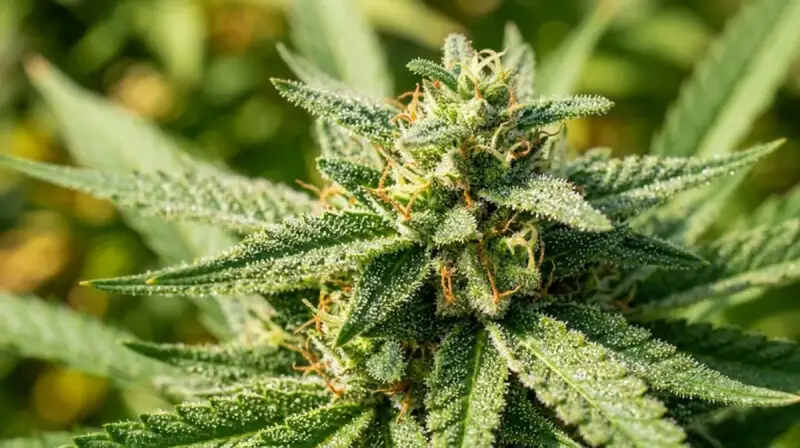
How you consume cannabis changes virtually everything about the experience: how quickly you feel effects, how long they last, how potent they are, and what metabolites are produced. Inhaled cannabis hits in minutes and lasts 1–3 hours. Edibles take 45–90 minutes to onset but can last 6–8 hours and produce a chemically different experience via 11-hydroxy-THC. Understanding these differences is the foundation of responsible, effective cannabis use.
- Inhalation bioavailability: 20–35%; oral bioavailability: 4–20%; sublingual bioavailability: 12–35% — the route significantly affects how much THC reaches the bloodstream
- Onset times: inhaled 5–15 min; sublingual 15–45 min; edibles 45–90 min; topicals local effect only
- Oral cannabis produces 11-hydroxy-THC (11-OH-THC) via liver metabolism — a metabolite that crosses the blood-brain barrier more efficiently than delta-9 THC and is considered more potent
- Dry herb vaporizers operating at 170–220°C reduce combustion byproduct exposure compared to smoking while maintaining bioavailability
- Topicals do not produce psychoactive effects (except transdermal patches, which deliver cannabinoids systemically)
- Sublingual tinctures offer the most predictable onset and dose control, making them the recommended method for new users seeking precision
Consumption Methods: Complete Reference Table
| Method | Onset | Duration | Bioavailability | Potency Feel | Discretion | Lung Impact | Best For |
|---|---|---|---|---|---|---|---|
| Smoking | 5–10 min | 1–3 hr | 20–35% | Moderate | Low | High (combustion) | Fast relief, social use |
| Dry herb vaping | 5–15 min | 1–3 hr | 25–35% | Moderate–high | Medium | Low | Respiratory-conscious inhalation |
| Concentrates/dabbing | Immediate | 1–3 hr | 25–40% | Very high | Low | Medium | Experienced users, high-tolerance |
| Oil vape cartridge | 5–10 min | 1–2 hr | 20–30% | Moderate–high | High | Low–medium | Portability, discretion |
| Gummies/edibles | 45–90 min | 4–8 hr | 4–20% | High (11-OH-THC) | Very high | None | Long duration, sleep, pain |
| Infused capsules | 45–90 min | 4–8 hr | 4–20% | High (11-OH-THC) | Very high | None | Medical dosing, consistent use |
| Cannabis beverages | 15–45 min | 2–4 hr | Variable | Moderate | High | None | Social consumption, alcohol replacement |
| Sublingual tincture | 15–45 min | 2–4 hr | 12–35% | Moderate | Very high | None | New users, precision dosing, medical |
| Topical | 15–45 min | 2–4 hr | Local only | None (local CB2) | Complete | None | Localized pain, inflammation, skin |
| Transdermal patch | 1–2 hr | 8–12 hr | Variable | Low–moderate systemic | Complete | None | Extended systemic delivery, chronic conditions |
Inhalation Methods: Smoking and Vaping
Inhalation is the fastest route to cannabis effects. Cannabinoids absorbed through the lungs enter the bloodstream within seconds and reach the brain in 5–15 minutes. Inhalation allows easy self-titration: you feel effects quickly and can gauge when you have consumed enough before overshooting.
Combustion (smoking) involves burning cannabis at temperatures above 230°C, generating smoke that contains cannabinoids alongside carbon monoxide, particulates, and carcinogenic polycyclic aromatic hydrocarbons from plant material combustion. Regular heavy smokers show measurable increases in respiratory symptoms and airway inflammation, though cannabis smoke’s relationship to lung cancer is less clear than tobacco smoke.
Dry herb vaporizers heat cannabis at 170–220°C — above THC’s boiling point but below combustion temperature. This produces vapor containing cannabinoids and terpenes with significantly less carbon monoxide and fewer combustion byproducts. Multiple studies confirm vaporization produces equivalent cannabinoid bioavailability to smoking with substantially reduced respiratory harm markers. For users concerned about respiratory health, dry herb vaporization is the superior inhalation method.
Oral Methods: Edibles and Capsules
When cannabis is eaten, it passes through the digestive system and is metabolized in the liver before reaching the bloodstream. This first-pass metabolism converts delta-9 THC into 11-hydroxy-THC (11-OH-THC) — a metabolite that crosses the blood-brain barrier more efficiently than delta-9 THC and is considered more potent by weight. This is why edibles feel qualitatively different from inhaled cannabis: you are not just getting THC, you are getting a more potent metabolite.
The consequences: edible effects have a delayed onset (45–90 minutes, sometimes up to 2 hours depending on fat content of food consumed, individual metabolism, and empty vs. full stomach), are substantially more intense per milligram than expected by flower users, and last 4–8 hours. The most common cannabis emergency room visit cause is oral overconsumption, almost always due to users who did not wait long enough before consuming more.
The critical edible rule: take a dose, wait 90–120 minutes before deciding to take more. The fact that you feel nothing at 45 minutes does not mean the edible is not working.
Sublingual Administration
Sublingual tinctures are placed under the tongue and held for 60–90 seconds before swallowing. The mucous membranes under the tongue allow direct absorption of cannabinoids into the bloodstream, bypassing first-pass liver metabolism for the portion absorbed sublingually. The portion that is swallowed acts like an edible.
The result is a faster, more predictable onset than swallowed edibles (15–45 minutes), lower peak intensity, and easier dose calibration. Sublingual tinctures are particularly popular with medical patients and new users because:
- Doses are measured in milligrams with a calibrated dropper
- No respiratory involvement
- Onset is rapid enough to self-titrate within a single session
- Effects last 2–4 hours — manageable and predictable
- Can be mixed into beverages if sublingual taste is unpleasant
Topicals and Transdermal Patches
Topicals (creams, balms, lotions) deliver cannabinoids into local tissue through the skin. Standard topicals do not produce psychoactive effects because cannabinoids do not penetrate into the bloodstream in sufficient concentration — they act locally on peripheral CB2 receptors and TRPV1 receptors in skin and muscle tissue. This makes them suitable for patients who want localized anti-inflammatory or analgesic effects without any psychoactivity or impairment.
Transdermal patches are engineered differently. They use penetration enhancers to deliver cannabinoids through the skin and into the systemic circulation, producing mild systemic effects. Transdermal patches provide consistent, slow-release delivery over 8–12 hours and are used for chronic pain and sustained symptom management.
Medical Use Recommendations by Condition
Method selection matters clinically. General guidance:
- Acute pain or breakthrough pain: Inhalation (smoking or vaping) for fastest onset; effect allows real-time dose adjustment
- Chronic pain or sleep: Oral capsules or edibles for extended duration; take 1–2 hours before target sleep time
- Nausea (e.g., chemotherapy): Inhalation for fast relief when nausea prevents oral consumption; sublingual tincture as secondary option
- Anxiety management: Sublingual tincture for predictable onset; low CBD:THC ratio to avoid THC-induced anxiety amplification
- Localized arthritis or muscle pain: High-CBD topical applied directly to affected area; no psychoactivity, suitable for daytime and driving
- Epilepsy (CBD-based): Oral oil or capsule for consistent blood levels; pharmaceutical formulation (Epidiolex) preferred
New User Recommendation
For someone using cannabis for the first time or returning after a long tolerance break, sublingual tincture is the most forgiving and controllable option. Start with 2.5–5mg THC, wait 45–60 minutes, assess, and take more if needed. The 15–45 minute onset provides real-time feedback before overconsumption is possible.
If inhalation is preferred, low-temperature dry herb vaporization at 170–185°C with a small amount of low-to-moderate THC flower (15–18%) is more controllable than smoking. Take one draw, wait 10 minutes, and assess before continuing.
Avoid high-potency edibles as a first experience. The 45–90 minute delayed onset makes dose calibration very difficult for new users and is the most common cause of uncomfortable over-intoxication.
Frequently Asked Questions
What is the healthiest way to consume cannabis?
From a respiratory standpoint, consuming cannabis without combustion is preferable. Dry herb vaporizers heat cannabis below combustion temperature, reducing exposure to carbon monoxide and combustion byproducts. Sublingual tinctures and oral capsules bypass the respiratory system entirely. Topicals have no systemic exposure. The healthiest method depends on your goals: if avoiding lung involvement is the priority, edibles, tinctures, or topicals are optimal.
How long do edibles last compared to smoking?
Edibles typically produce effects lasting 4–8 hours, sometimes longer with high doses — significantly longer than the 1–3 hours typical of inhaled cannabis. The extended duration comes from 11-hydroxy-THC, the liver metabolite of THC, which has a longer half-life than delta-9 THC. Onset is also much delayed: 45–90 minutes vs. 5–15 minutes for inhalation.
What is sublingual cannabis?
Sublingual cannabis means placing cannabis oil, tincture, or a dissolving strip under the tongue and holding it there for 60–90 seconds. The mucous membranes under the tongue absorb some cannabinoids directly into the bloodstream, bypassing first-pass liver metabolism. This produces faster onset than swallowed edibles (15–45 minutes vs. 45–90 minutes) and more predictable absorption.
What is a cannabis tincture?
A cannabis tincture is a liquid cannabis extract, typically made by dissolving cannabis in alcohol or MCT oil. It is administered with a dropper, usually under the tongue. Tinctures allow precise dosing in milligrams, are discreet, have no respiratory impact, and produce effects faster than edibles when used sublingually. They are popular with medical patients and new users seeking dose control.