










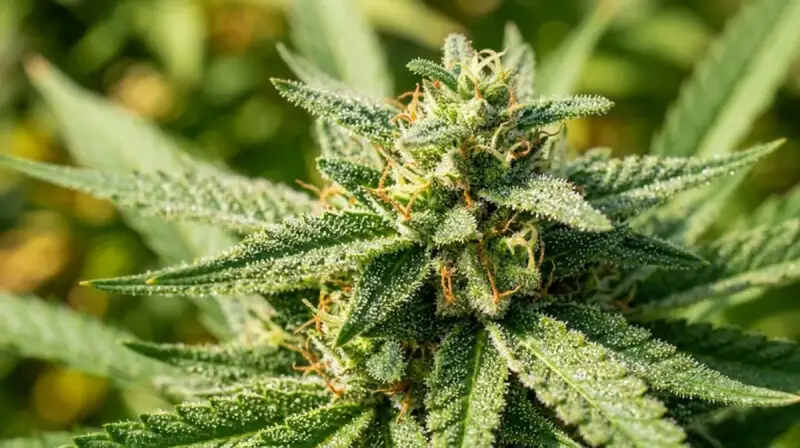
- 12+ distinct concentrate types exist in the modern legal cannabis market, ranging from simple kief (40–60% THC) to THCA crystalline (95–99.9% THC).
- Two fundamental categories: solvent-based extracts (BHO, CO2, ethanol, distillate) and solventless concentrates (kief, hash, rosin, live rosin).
- Terpene retention varies enormously: fresh-frozen live products preserve 80–95% of terpenes; distillate retains under 5% before artificial reintroduction.
- Entourage effect is product-type dependent: full-spectrum concentrates like live resin and rosin are far more likely to deliver synergistic cannabinoid-terpene effects than isolated distillate.
- Extraction method determines both purity and flavour: solventless = purest, lowest yield; hydrocarbon BHO = high yield, needs purging; distillation = highest THC, lowest complexity.
- Experience level matters: beginners should start with kief or low-voltage vape cartridges; experienced consumers can explore live resin, rosin, and eventually THCA diamonds.
- Storage rules are universal: airtight, dark, cool (35–50°F)—refrigeration extends quality life for all concentrate types significantly.
Introduction: What Are Cannabis Concentrates?
Cannabis concentrates are products made by isolating and concentrating the cannabinoids and terpenes from the cannabis plant, removing excess plant material in the process. The term “concentrate” accurately describes the result: the psychoactive and therapeutic compounds that exist at 15–30% concentration in typical dried cannabis flower are compressed into a much smaller volume at 40–99% concentration in the finished extract.
Humans have been producing cannabis concentrates for thousands of years. Hashish—one of the simplest and oldest concentrate forms, made by compressing trichome-rich resin into blocks—has been documented in written records from the Middle East and South Asia dating back to at least the 12th century. Charas (hand-rolled resin balls) were used ceremonially in South Asia for centuries before Western pharmaceutical interest in cannabis developed in the 19th century. The modern concentrate market emerged from the legal cannabis industry that began expanding in the United States in 2012, bringing with it unprecedented variety, precision, and safety standards through laboratory testing requirements.
Today, the cannabis concentrate market encompasses over a dozen distinct product types, each with a different extraction process, physical form, potency level, terpene content, and consumer experience profile. This guide provides a complete, structured taxonomy of all major concentrate types with the data needed to understand and compare them.
Complete Concentrate Taxonomy: Every Type Explained
| Concentrate | Extraction Method | THC Range | Terpene Content | Texture | Solventless? |
|---|---|---|---|---|---|
| Kief / Dry Sift | Mechanical sieving | 40–60% | 2–5% | Powder / loose | Yes |
| Hash (pressed) | Hand-rolling or pressed kief | 40–65% | 2–5% | Solid brick or ball | Yes |
| Bubble Hash (ice water) | Ice water agitation + sieving | 50–80% | 3–6% | Granular to crumbly | Yes |
| Rosin (flower) | Heat + pressure on dried flower | 60–80% | 3–6% | Budder, slab, badder | Yes |
| Live Rosin | Ice water hash from fresh-frozen + press | 65–85% | 4–8% | Sauce, badder, jam | Yes |
| BHO Shatter | Butane/propane closed-loop | 60–90% | 0.5–2% | Rigid glass slab | No |
| BHO Wax / Crumble | Butane/propane closed-loop | 60–88% | 1–3% | Soft, opaque | No |
| BHO Budder | Butane/propane + agitation | 65–90% | 2–4% | Creamy, smooth | No |
| Live Resin | BHO from fresh-frozen plant | 65–95% | 3–8% | Sauce, sugar, badder | No |
| CO2 Oil | Supercritical CO2 | 55–80% | 2–5% | Viscous oil | No |
| Distillate | Short-path distillation | 85–99% | <1% (reintroduced) | Clear viscous oil | No |
| Terp Sauce | BHO (live or cured) + separation | 45–70% (sauce only) | 10–30% | Liquid sauce | No |
| THCA Crystalline | BHO purification + crystallisation | 95–99.9% | Minimal (found in sauce) | Crystal / diamond | No |
Kief and Dry Sift
Kief is the most accessible cannabis concentrate and an excellent entry point for consumers new to the world of extracts. It consists of the resinous trichome heads and stalks that separate from dried cannabis flower when it is ground or sieved through fine mesh screens. The bottom chamber of a three-piece or four-piece herb grinder accumulates kief over time as flower is ground; this is the simplest form of kief collection available to everyday consumers.
Dry sift is a more refined version produced by tumbling or sieving dried cannabis through progressively finer micron screens (typically 73–220 microns), separating trichome heads from plant material. High-quality dry sift from premium cultivars can achieve 50–60% THC and is fluffy, blonde, and nearly free of plant material. Both kief and dry sift can be pressed into hash, used as a flower topper, pressed into rosin, or vaporised directly. They retain more terpenes than most solvent-based concentrates because no heat or solvent processing is involved.
Traditional Hash and Bubble Hash
Traditional hash is one of humanity’s oldest cannabis preparations, produced by compressing trichome-rich kief or hand-rolled resin (charas) into solid blocks or balls. Pressed hash is still widely consumed in Europe, the Middle East, and South Asia. It can be smoked, vaporised, or pressed into modern rosin. Bubble hash (ice water hash) is a more refined evolution of the concept: fresh-frozen or dried cannabis is agitated in ice water, which causes trichome heads to detach and sink through a series of mesh bags with progressively finer micron ratings (25–220 microns). The collected hash is freeze-dried. The finest grades of bubble hash—known as “full-melt” or “six-star” hash—melt completely on a hot surface without leaving residue and are among the most refined solventless products available. Full-melt bubble hash can test at 70–80% THC and is used as the starting material for premium live rosin production.
Shatter, Wax, and Budder
Shatter, wax, crumble, and budder are all BHO-derived concentrates that share the same extraction process but differ in texture based on post-processing technique. Full details on shatter’s production, THCA crystallisation mechanism, and potency are in our dedicated shatter guide. In brief: shatter is purged without agitation (rigid, glass-like, 60–90% THC); wax and crumble are agitated during purging (opaque, soft, similar potency); budder is processed at higher heat with vigorous agitation (creamy, highest terpene content of the BHO-cured-bud formats). All three are made from dried and cured starting material, which limits their terpene profile compared to live resin products.
Live Resin and Live Rosin
Live resin and live rosin are the premium end of the concentrate market and are distinguished by their use of fresh-frozen starting material. Full production details are in our dedicated guides: what is live resin and what is rosin. The key distinction between them is extraction method: live resin uses hydrocarbon solvents (BHO); live rosin is solventless (ice water hash + press). Both deliver the fullest, most strain-accurate terpene profile available in concentrate form, with live rosin commanding the highest price premium due to its solventless production and labour intensity.
Terp Sauce and THCA Diamonds
Terp sauce (or “high terpene extract”) is a two-phase concentrate in which a terpene-rich liquid sauce is separated from crystalline THCA during a controlled purging and curing process. The sauce fraction tests at 30–50% THC with 10–30% terpenes—an extremely high terpene concentration by concentrate standards. The diamonds (crystalline THCA) that form in the sauce test at 95–99% THCA. Sauce is consumed by mixing the two phases together before dabbing, combining the extreme potency of the crystals with the aromatic intensity of the sauce. This product format delivers the most intense terpene-driven experience of any concentrate type currently available. THCA diamonds consumed without sauce are essentially pure THCA: extremely potent (converting to THC on the hot banger), but lacking the aroma and entourage-effect complexity of the full-sauce presentation.
Extraction Method Comparison: Solvent vs. Solventless
The fundamental division in the concentrate market is between solvent-based and solventless extraction methods. Each approach has distinct advantages, limitations, and quality outcomes that inform consumer choice.
| Extraction Method | Primary Products | Yield per kg Biomass | Terpene Retention | Safety Requirement | Consumer Transparency |
|---|---|---|---|---|---|
| Hydrocarbon BHO (butane/propane) | Shatter, wax, budder, live resin | 150–300g | 35–95% (live: high) | Explosion-proof facility | Residual solvent testing required |
| Supercritical CO2 | CO2 oil, full-spectrum extract | 100–200g | 40–60% | High-pressure vessel cert. | Generally regarded as clean |
| Ethanol extraction | Crude oil, RSO, distillate feedstock | 200–400g | 20–40% | Flammable solvent handling | Residual ethanol testing required |
| Short-path distillation | Distillate (THC/CBD oil) | Very high (refined from crude) | <5% | Industrial heat equipment | Near-pure cannabinoid; terpenes artificial |
| Mechanical sieving | Kief, dry sift, hash | 30–80g | 2–5% | Standard cannabis handling | Fully transparent, no solvents |
| Ice water agitation | Bubble hash, full-melt | 50–150g | 3–6% | Temperature-controlled water | Fully transparent, no solvents |
| Heat + pressure (rosin) | Flower rosin, hash rosin, live rosin | 100–200g | 80–90% | Standard press safety | Maximum transparency, no solvents |
Terpene Retention by Concentrate Type
Terpene content in concentrates directly influences the aroma, flavour, and effect profile of the finished product. The entourage effect hypothesis—supported by a growing body of pharmacological research—suggests that the combination of cannabinoids and terpenes produces effects more nuanced and therapeutically complex than isolated THC alone. Selecting a concentrate with higher terpene retention means selecting a product more likely to deliver that full-spectrum experience.
Terpene retention is highest in solventless products produced from fresh-frozen starting material (live rosin: 80–90%) and live resin (85–95%). It is lowest in distillate (under 5% before artificial reintroduction). The difference is substantial and directly perceptible: the same cannabis strain expressed as a live rosin and as a distillate will smell, taste, and feel dramatically different, despite potentially similar THC percentages on the label. Consumers who rely solely on THC percentage as a quality indicator are missing the most important dimension of concentrate quality.
For detailed terpene profiles across the major cannabis terpenes—myrcene, limonene, caryophyllene, linalool, terpinolene, and more—see our individual terpene guides. Understanding which terpenes are dominant in a given concentrate helps predict its effect character more accurately than THC percentage alone.
Recommended Concentrates by Experience Level
Selecting a concentrate appropriate to your experience level with cannabis is one of the most important safety considerations in this product category. The potency differences between concentrate types are not trivial—a beginner who attempts a full dab of THCA diamonds without prior experience with even flower consumption is likely to have a deeply unpleasant experience. The following framework organises concentrate types by appropriate experience level.
Beginner (little to no prior cannabis experience): Kief added sparingly to flower is the most forgiving entry point into concentrates. The dose is additive to flower, the delivery method is the same, and the potency increase is moderate. Low-voltage distillate vape cartridges from licensed dispensaries are another accessible option: the 510-thread format requires no specialised equipment, delivers consistent small doses per puff, and is available in a wide range of strains and cannabinoid ratios. Consider starting with a balanced THC:CBD product to reduce the risk of anxiety from high THC exposure. Our cannabis dosing guide provides specific starting doses.
Intermediate (regular cannabis user, some concentrate experience): CO2 oil cartridges, standard BHO wax or budder, and flower rosin are appropriate at this level. The consumer has established some THC tolerance and basic understanding of onset timing and dose-response. Live resin cartridges are also accessible at this level, providing a significant flavour upgrade over distillate with no additional equipment requirement.
Experienced (established tolerance, prior dabbing experience): Live resin (sauce, badder, sugar), hash rosin, live rosin, and BHO shatter are all appropriate for experienced consumers who have developed a reliable sense of their personal potency threshold. Low-temperature dabbing techniques should be practiced to maximise flavour and avoid harsh high-temperature hits.
Advanced (high tolerance, extensive concentrate experience): THCA diamonds, full-spectrum terp sauce, and high-grade full-melt bubble hash are products for consumers with established high tolerance and sophisticated understanding of concentrate consumption techniques. These are extremely potent products that deliver intense effects with minimal margin for dose error.
Concentrate Storage Guide
Proper storage is essential for maintaining the potency, flavour, and safety of cannabis concentrates over time. The primary degradation mechanisms are: terpene evaporation (heat and air exposure), cannabinoid oxidation to CBN (air and light exposure), and microbial contamination (moisture). The following storage guidelines apply universally across all concentrate types, with specific notes where individual products have additional requirements.
Container: Use food-grade silicone for soft concentrates (budder, live resin sauce, rosin). Use glass with a tight-fitting lid for firm concentrates (shatter, rosin slabs) and for long-term storage of all types. Avoid plastic, which absorbs terpenes and can leach plasticisers. Never store concentrate in parchment paper for more than a few hours; it allows air exchange and terpene loss.
Temperature: Store at 35–50°F (2–10°C) in a refrigerator for optimal long-term preservation. Do not freeze concentrates directly in a household freezer, as freeze-thaw cycles can introduce condensation and degrade texture. If freezing for transport, use double-sealed containers and allow to reach room temperature slowly before opening to prevent condensation from entering the product.
Light: UV radiation accelerates both terpene degradation and THCA-to-CBN conversion. Store concentrates in opaque containers or in a dark drawer or refrigerator compartment. Amber or dark glass provides UV protection; clear glass does not.
Humidity: Concentrates are generally low-moisture products that do not require humidity control. However, exposing them to high-humidity environments can introduce water that affects texture and facilitates microbial growth in products with residual organic material (such as rosin).
Related Guides: Deep Dives on Individual Concentrates
- What Is Live Resin? Flash-Frozen BHO Terpene Science Explained
- What Is Rosin? Solventless Extraction from Hair Straightener to Commercial Press
- What Is Shatter? THCA Crystallisation and BHO Purging Explained
- What Is Dabbing? Rig Anatomy, Nail Materials, and Temperature Guide
- What Is a Vape Cartridge? Oil Types, Ceramic Coils, and EVALI History