










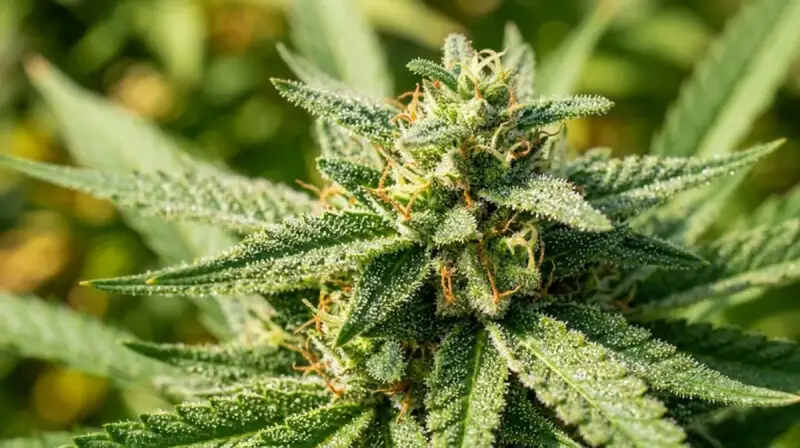
- Solventless production: rosin uses only heat and pressure to extract cannabinoids and terpenes—no butane, CO2, ethanol, or other chemical solvents are involved at any stage.
- Heat + pressure mechanism: applied pressure ruptures trichome heads on the cannabis surface, while heat (220–330°F) reduces viscosity so the resin flows out and is collected on parchment paper.
- Three starting materials: rosin can be pressed from dried flower (10–20% yield), dry sift / kief (20–40% yield), or bubble hash / ice water hash (40–70% yield).
- Live rosin starts with fresh-frozen cannabis processed first into ice water hash, then pressed—preserving the full terpene profile of the living plant.
- Commercial press specs: professional rosin presses apply 300–1,000+ PSI of surface pressure at temperatures between 180°F and 330°F, with pressing time of 1–3 minutes depending on material.
- Terpene retention in rosin is excellent (80–90%) compared to most solvent-based concentrates made from cured material, because no heat purging step is needed to remove solvents.
- Price premium: live rosin retails at $80–$150+ per gram; standard flower rosin at $40–$70 per gram—both higher than comparable solvent-based concentrates due to lower yields and labour intensity.
What Is Rosin? A Complete Introduction
Rosin is a cannabis concentrate produced entirely without chemical solvents. Unlike butane hash oil (BHO), CO2 oil, or ethanol extraction—all of which use liquid or gas solvents to strip cannabinoids and terpenes from plant material—rosin is made by applying mechanical heat and pressure to cannabis flower, dry sift, or hash. The resulting extract is a semi-transparent, amber-coloured concentrate that ranges in consistency from a stable, dry crumble to a soft, sticky badder depending on the starting material, pressing temperature, and any post-processing applied.
The appeal of rosin lies in its simplicity and transparency. Because no solvents are introduced, there are no residual solvent concerns to test for, no purging step required, and no possibility of chemical contamination from the extraction process itself. This makes rosin one of the most consumer-transparent products in the cannabis concentrate market. A rosin buyer can be confident that what is in their container is essentially just the compressed resin of the cannabis plant—cannabinoids, terpenes, waxes, and plant lipids—with nothing added or removed beyond what the pressing process achieves.
From humble beginnings as a DIY technique demonstrated with hair straighteners in social media videos around 2015, rosin has grown into a major commercial product category with dedicated pressing infrastructure, trained technicians, and a passionate consumer base that treats it as the premium end of the concentrate market. Understanding how rosin is made, what distinguishes the different types, and how to evaluate quality is the focus of this guide.
The History of Rosin Extraction
The modern rosin technique is credited to cannabis cultivator “Soilgrown Solventless,” who shared a viral demonstration on social media in 2015 showing that pressing a cannabis nug between a hair straightener and parchment paper produced a usable, solventless extract. The concept spread rapidly through the cannabis community because it required no specialised equipment, no hazardous solvents, and produced an immediately usable product. Within two years, dedicated commercial rosin presses were being manufactured and sold, and licensed cannabis producers began scaling the technique for retail markets. The category grew from a hobbyist technique into a multi-million dollar commercial segment of the concentrate market within a remarkably short period.
How Rosin Is Made: Heat, Pressure, and Starting Material
The fundamental mechanism of rosin production is straightforward: heat lowers the viscosity of the resinous trichome heads on the cannabis surface, and pressure ruptures those trichome heads and forces the liquid resin to migrate out of the plant material and onto a collection surface—typically parchment paper. The key variables are starting material quality, pressing temperature, applied pressure (PSI), platen size, and pressing duration.
Starting Material: The Most Important Variable
The quality and type of starting material has a greater influence on the final rosin product than any other variable. Rosin can be pressed from three primary starting materials, each with significantly different yield percentages, potency levels, and flavour profiles.
Dried flower is the most accessible starting material. Any high-quality dried cannabis flower with high trichome density can be pressed into rosin. Typical yield is 10–20% by weight, meaning 1 gram of flower produces 100–200 mg of rosin. Flower rosin retains the strain’s full cannabinoid and terpene profile, though the yield is significantly lower than hash starting materials. Ideal pressing temperature is 180–220°F for 1–2 minutes at 300–600 PSI surface pressure.
Dry sift or kief is a refined starting material produced by mechanically sifting dried cannabis through micron screens to isolate trichome heads. Because kief has already separated much of the plant material from the resin glands, it yields substantially more rosin per gram of starting material—typically 20–40%. Pressing temperature: 160–200°F for 1–2 minutes.
Bubble hash (ice water hash) is the highest-quality starting material for rosin and produces the highest yields, cleanest flavour, and most refined final product. Bubble hash is produced by agitating fresh-frozen or dried cannabis in ice water, which causes trichome heads to detach and sink through a series of mesh bags with progressively finer micron ratings. The collected hash is freeze-dried and then pressed into rosin. Hash rosin yields 40–70% depending on hash quality and grading. Commercial pressing temperature: 160–190°F for 30–90 seconds at 600–1,200 PSI. Hash rosin is the commercial standard for premium solventless products in legal dispensaries.
Home Production: The Hair Straightener Method
The basic principle of rosin extraction can be demonstrated at home using a flat-iron hair straightener set to its lowest heat setting (ideally 250–300°F), parchment paper (silicone-coated baking paper), and a small quantity of dried cannabis flower. The flower is folded inside a parchment paper envelope and placed between the flat iron plates, which are pressed together firmly for 3–5 seconds. The heat and pressure cause resin to squeeze out of the flower onto the parchment. The small amber oil droplet can then be collected with a dab tool.
Home hair straightener rosin is a useful demonstration of the concept, but yield and quality are significantly limited compared to commercial presses. A hair straightener typically applies only 50–150 PSI of surface pressure and lacks precise temperature control. Commercial rosin presses apply 300–2,000+ PSI at precisely calibrated temperatures. For anyone interested in home rosin production at meaningful scale, dedicated manual or hydraulic rosin presses are available starting at approximately $150–$300 for entry-level models. Always verify that home production of any cannabis product is permitted under your local cannabis laws before proceeding.
Commercial Rosin Press Specifications and Process
Commercial rosin production uses hydraulic or pneumatic presses with heated aluminium or steel platens capable of applying several tons of force to a small surface area. The specifications of commercial rosin pressing are substantially different from home methods and are worth understanding to appreciate why commercial rosin has a distinctly superior quality and consistency profile.
| Starting Material | Pressure (PSI) | Temperature | Press Time | Typical Yield | Output Texture |
|---|---|---|---|---|---|
| Dried flower (premium) | 300–800 PSI | 180–220°F | 60–120 sec | 10–20% | Budder, badder, shatter-like |
| Dry sift / kief (90+ micron) | 400–1,000 PSI | 160–200°F | 60–90 sec | 20–40% | Stable, glassy, or budder |
| Bubble hash (73–90 micron) | 600–1,200 PSI | 160–185°F | 30–70 sec | 40–65% | Sauce, badder, stable slab |
| Full-melt bubble hash (6-star) | 600–1,000 PSI | 150–175°F | 30–60 sec | 50–70% | Sauce or THCA-rich slab |
| Live rosin (fresh-frozen hash) | 600–1,200 PSI | 150–180°F | 30–60 sec | 10–25%* | Sauce, badder, jam |
*Live rosin yield is calculated from the original fresh-frozen biomass weight; hash-stage yield from fresh-frozen is 10–20%, then the resulting hash yields 50–70% when pressed.
Post-Processing: Texture Manipulation
After initial pressing, rosin can be manipulated into different textures through temperature and agitation techniques. “Curing” rosin by storing it at room temperature in a sealed container causes it to undergo a natural phase separation, with THCA crystals forming in a terpene-rich sauce—producing what is commonly called “rosin jam” or “solventless sauce.” Refrigerating freshly pressed rosin tends to produce a more stable, firm consistency. Whipping or agitating the warm rosin with a dab tool incorporates air and produces a creamy “whipped rosin” or “budder” texture. These textures are consumer preferences rather than quality indicators; the underlying cannabinoid and terpene content is equivalent regardless of consistency.
Rosin vs. Live Rosin: The Complete Distinction
The distinction between rosin and live rosin is one of the most important in the concentrate market and is frequently misunderstood even by experienced consumers. The key difference is the starting material: specifically, whether it was fresh-frozen or dried before processing.
Standard rosin starts with dried and cured cannabis flower, trim, dry sift, or dried bubble hash. The drying and curing process, while essential for producing high-quality smokable flower, inevitably causes the evaporation of volatile terpenes. As a result, standard rosin—even when pressed from premium dried flower—captures only a partial terpene profile compared to the living plant.
Live rosin starts with fresh cannabis plants that are harvested and immediately frozen—typically within 30 minutes of cutting, using dry ice or liquid nitrogen. The frozen material is then processed into ice water hash (bubble hash) while still frozen, freeze-dried to remove moisture, and finally pressed in a rosin press. Because the plant was never dried or cured at ambient temperature, the volatile terpenes are preserved from the moment of harvest through to the final product. This is why live rosin commands such a significant price premium and why consumers who prioritise flavour and full-spectrum terpene expression often consider it the pinnacle of the concentrate market. Learn more about the fresh-frozen principle in our live resin guide, which covers the same terpene preservation science from the BHO-extraction perspective.
Rosin vs. Solvent-Based Concentrates: A Clear Comparison
Consumers choosing between rosin and solvent-based concentrates such as BHO shatter, wax, or CO2 oil typically weigh several factors: purity and transparency, flavour, potency, price, and availability. Each category has meaningful trade-offs.
| Attribute | Rosin (solventless) | BHO (butane extraction) | CO2 Oil | Ethanol / Distillate |
|---|---|---|---|---|
| Solvent residue risk | None | Low (if lab-tested) | Low (if lab-tested) | Very low (after distillation) |
| Terpene retention | Excellent (80–90%) | Good–Excellent (35–95%) | Moderate (40–55%) | Very low (<5%) |
| Typical potency | 60–85% THC | 60–90% THC | 55–80% THC | 85–99% THC |
| Commercial yield per kg | Low (100–200g) | High (150–300g) | Moderate (100–200g) | Very high (200–400g) |
| Price per gram (retail) | $40–$150+ | $25–$80 | $25–$60 | $15–$40 |
| Home production feasibility | Yes (with press) | No (hazardous) | No (industrial equipment) | No (distillation needed) |
For consumers who prioritise solvent-free products and are willing to pay a premium for that assurance, rosin—especially live rosin—is the clear choice. For those who prioritise broad availability, consistent quality, and lower price points, lab-tested solvent-based concentrates from licensed dispensaries are a safe and excellent option. Both categories are regulated and tested in legal markets. For a comprehensive overview of all concentrate types, see our cannabis concentrate guide.