Cannabis Effects
Motivating Cannabis:
Focus & Drive Strains
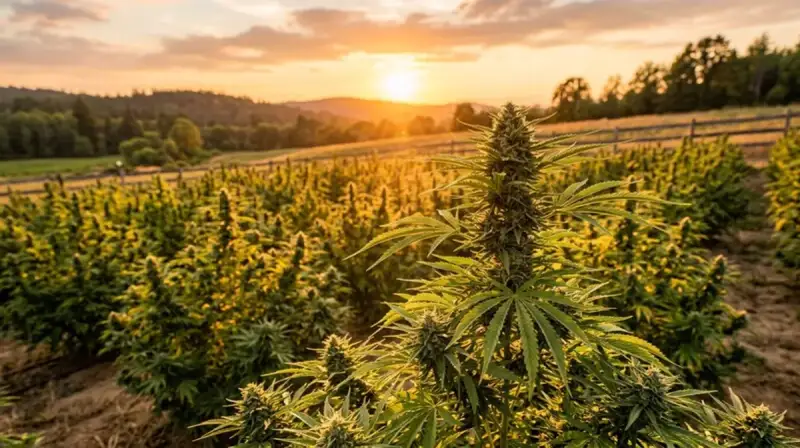
Cannabis’s reputation for producing lazy, couch-locked users obscures a pharmacologically distinct low-dose reality: at 2.5–7.5 mg THC, sativa-dominant strains with terpinolene and pinene produce measurable increases in dopamine-driven motivation, task engagement, and creative drive. Used by programmers, athletes, writers, and designers worldwide.
Sativa-dominant
Terpinolene + Pinene
Low Dose Critical
5–15% THC
AK
Ann Karim — Cannabis Science Writer
Reviewed by ZenWeedGuide editorial team · Updated 2026-05-15
7 Key Findings
- Low-dose THC (2.5–7.5 mg) increases dopamine availability in the prefrontal cortex, directly enhancing goal-directed motivation (Blanco et al., 2019 review).
- High-dose or chronic THC causes dopamine receptor downregulation in the prefrontal cortex, producing motivational syndrome—the opposite effect.
- Terpinolene produces independent cerebral stimulation, contributing to forward mental momentum without relying solely on THC.
- Alpha-pinene inhibits acetylcholinesterase, preserving cognitive clarity and counteracting THC’s short-term memory suppression during work tasks.
- Sativa-dominant strains with 5–15% THC represent the optimal motivating profile; strains above 20% THC dramatically increase anxiety risk.
- The motivating effect is used productively by creatives, programmers, athletes, and designers—primarily at microdose to low-dose levels.
- Motivational syndrome risk factors include daily use over 3+ months, doses above 15 mg, and combined use with alcohol.
The Neuroscience of Cannabis-Induced Motivation
Motivation is primarily mediated by dopamine in the prefrontal cortex (PFC). The PFC integrates goal representations, evaluates effort-reward ratios, and generates the drive to initiate and sustain task-directed behaviour. Dopamine in the PFC specifically encodes the value of effortful action—low PFC dopamine produces apathy; optimal PFC dopamine produces motivated engagement.
At low doses, THC modestly increases dopamine release in the PFC through CB1-mediated disinhibition of dopaminergic terminals. This increase falls within the optimal range for motivation enhancement. The result is a subjective sense of increased task interest, reduced friction for starting work, and heightened engagement with the activity at hand. This is the mechanism underlying the widespread use of low-dose cannabis by creative professionals.
Critically, this effect is dose-dependent and inverted at higher doses. Above the optimal threshold, excess dopamine in the PFC disrupts signal-to-noise processing, impairing executive function. Simultaneously, heavy chronic use triggers receptor downregulation throughout the dopamine system, producing tolerance to the motivating effect and eventually the classic low-motivation presentation of the cannabis-dependent heavy user.
Low vs. High Dose: Motivation Effects Compared
| Dose Range |
PFC Dopamine |
Task Motivation |
Cognitive Function |
Best For |
| Microdose (1–2.5 mg) |
Slight increase |
Mild enhancement |
Minimal impairment |
Daily work, focus maintenance |
| Low dose (2.5–7.5 mg) |
Optimal increase |
Strong enhancement |
Minor memory effects |
Creative work, exercise, projects |
| Moderate (7.5–15 mg) |
Excess increase |
Variable (tolerance-dependent) |
Noticeable impairment |
Relaxation, not productivity |
| High dose (>15 mg) |
Dysregulated |
Reduced |
Significant impairment |
Not appropriate for tasks |
| Chronic heavy use |
Downregulated baseline |
Chronically reduced (syndrome) |
Persistent impairment |
Motivational syndrome territory |
Motivating Terpene Comparison
| Terpene |
Mechanism |
Contribution to Motivation |
Example Strains |
| Terpinolene |
CNS stimulation, antioxidant |
Forward mental momentum, cerebral brightness |
Jack Herer, Durban Poison, XJ-13 |
| Alpha-Pinene |
Acetylcholinesterase inhibition |
Cognitive clarity, memory preservation |
Strawberry Cough, Harlequin, Cinex |
| limonene |
5-HT1A serotonin agonism |
Mood support enabling sustained effort |
Tangie, Lemon Skunk, Super Lemon Haze |
| Beta-Ocimene |
Unclear CNS mechanism |
Sweet-cerebral note; co-expresses with terpinolene |
Clementine, Golden Pineapple, Island Sweet Skunk |
Top Motivating Cannabis Strains
| Strain |
Type |
THC |
Primary Terpenes |
Best Application |
| Durban Poison |
Sativa Landrace |
15–20% |
Terpinolene, myrcene, Ocimene |
Replacing stimulants, morning productivity |
| Jack Herer |
Sativa |
15–24% |
Terpinolene, caryophyllene, Ocimene |
Creative work, writing, design |
| Green Crack |
Sativa |
16–24% |
Ocimene, Myrcene, Caryophyllene |
High-energy output, exercise |
| Cinex |
Hybrid (Sativa-dominant) |
18–25% |
Terpinolene, Limonene, Myrcene |
Focused work, programming, analysis |
| XJ-13 |
Hybrid (Sativa-dominant) |
18–22% |
Terpinolene, Caryophyllene, Ocimene |
Social productivity, problem-solving |
| Island Sweet Skunk |
Sativa |
15–21% |
Terpinolene, Ocimene, Myrcene |
Artistic work, music |
| Sour Diesel |
Sativa |
19–25% |
Caryophyllene, Myrcene, Limonene |
Long working sessions, creativity |
| Dutch Treat |
Hybrid (Sativa-leaning) |
16–22% |
Terpinolene, Ocimene, Caryophyllene |
Euphoric focus, daytime |
| Super Silver Haze |
Sativa |
18–23% |
Myrcene, Caryophyllene, Limonene |
Sustained motivating effect |
| Trainwreck |
Hybrid (Sativa-dominant) |
18–26% |
Terpinolene, Myrcene, Ocimene |
High-intensity creative bursts |
Motivational Syndrome: When Cannabis Reduces Drive
Motivational syndrome is a well-documented consequence of chronic heavy cannabis use. It is characterised by apathy, reduced goal-directed behaviour, flattened emotional responses, and diminished capacity for sustained effort. The syndrome is not a personality trait of cannabis users but a pharmacological consequence of dopamine system downregulation from sustained CB1 overstimulation.
| Risk Factor |
Threshold |
Mechanism |
Recovery Timeline |
| Daily use duration |
>3 months daily |
CB1 downregulation accumulates |
4–8 weeks abstinence |
| Dose per session |
>15 mg THC regularly |
Dopamine receptor desensitisation |
2–6 weeks |
| Adolescent use |
Any regular use before age 21 |
Developing PFC especially vulnerable |
Potentially longer; development disruption |
| Strain THC% > 25% |
High-THC daily use |
Accelerated receptor downregulation |
Variable |
| Co-use with alcohol |
Regular concurrent use |
Additive dopamine system strain |
Longer than cannabis alone |
Cannabis, Dopamine & Motivation: The Science
Related Guides










