Jamaican Cannabis Culture: Ganja, Rastafari and the Island Tradition
Jamaica’s ganja culture is one of the most recognised and influential in the world. From Rastafari ceremony to reggae music to Blue Mountain landraces, this is the full story.
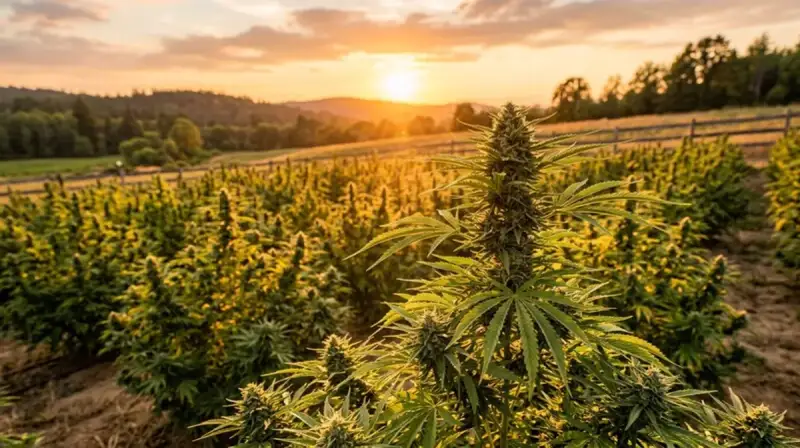
Jamaican sativa landraces are among the most storied cannabis genetics in the world, grown in the island’s mountain climate for generations.
How Cannabis Came to Jamaica: The Indian Indenture Connection
Cannabis is not native to Jamaica. It arrived with indentured Indian labourers brought by the British colonial government following the abolition of slavery in 1834. Between 1845 and 1917, approximately 36,000 indentured workers from India were transported to Jamaica to work on sugar plantations. They brought with them the ganja-smoking tradition deeply embedded in Indian culture — the same tradition documented in Vedic texts and Ayurvedic medicine. The word “ganja” itself is the Hindi and Sanskrit term for cannabis, preserved unchanged in Jamaican usage.
Indian workers introduced cannabis seeds and cultivation practices suited to tropical climates. Jamaican geography — mountainous interior with volcanic soil, subtropical sunshine, distinct wet and dry seasons — proved exceptionally suited to sativa cannabis cultivation. Over generations of landrace development, Jamaican cannabis strains evolved distinctive characteristics: tall, loose-structured plants with long flowering times, high terpene complexity producing tropical fruit aromas, and clear-headed, energetic effects that would become associated globally with classic sativa genetics. These Jamaican landraces contributed genetic material to many of the world’s most celebrated strains, including those in our AK-47 strain guide.
Initially, British colonial authorities attempted to restrict cannabis use among the Indian community and then among the broader Jamaican population. Colonial cannabis prohibition in Jamaica dates to the 1913 Ganja Law. Despite formal illegality, cannabis cultivation and use spread throughout Jamaican society over the 20th century, becoming deeply integrated into rural agricultural communities and later into urban working-class culture. The colonial prohibition, like its American counterpart, failed to eliminate use while successfully criminalising a population. The 2015 decriminalisation reversed this partially, acknowledging what cultural reality had long established.
Rastafari: The Sacred Herb as Spiritual Practice
The Rastafari movement, which emerged in Jamaica in the 1930s, elevated ganja from a recreational and agricultural product to a religious sacrament. Rastafari theology draws on Pan-African identity, the teachings of Marcus Garvey, and a literal reading of the Old Testament. The movement emerged among Jamaica’s poor Black population as a response to colonial oppression and racial subjugation. Cannabis — the “holy herb” or “wisdom weed” — occupies a central place in Rastafari theology, interpreted through biblical verses including Genesis 1:29 (“I give you every seed-bearing plant”), Psalms 104:14 (“He causeth the grass to grow”), and Revelation 22:2 (“the leaves of the tree were for the healing of nations”).
In Rastafari practice, ganja is used in two main contexts: the nyahbinghi ceremony, a communal gathering involving drumming, chanting and shared cannabis smoking, and individual meditation and reasoning sessions. Ganja is understood as a catalyst for spiritual insight, a way of quieting the ego and opening the mind to Jah (God). The communal sharing of a chillum or chalice during reasoning sessions has a sacramental quality analogous to communion in Christian practice. The key distinction Rastafari make is between ganja as a spiritual tool used with intention and mindfulness, and recreational use without spiritual grounding. Peter Tosh articulated this most clearly: ganja was for reasoning, for upliftment, for connection with Jah — not for escapism. Explore this spiritual dimension further in our Rastafari and Cannabis guide.
Ganja Culture in Jamaican Daily Life
Beyond Rastafari religious use, ganja permeates Jamaican daily life across social classes and religious affiliations. For rural farmers, cannabis cultivation has been an economic crop for generations, grown alongside food crops in smallholder plots across the Blue Mountains and other interior agricultural areas. The informal cannabis economy provided income for communities with limited formal economic opportunities throughout the prohibition era. Jamaica’s proximity to North America made it a significant transit and production point for cannabis entering the US market through the 1970s and 1980s.
Cannabis teas and herbal preparations using cannabis as a medicinal herb are traditional in Jamaican folk medicine. Cannabis tea made from fresh leaves is given to children with respiratory complaints in some rural communities — a practice that shocked international health visitors but reflects the deep integration of cannabis into traditional healing practice. Herbal doctors and bush healers incorporated cannabis into preparations for asthma, stomach complaints, pain and stress. This folk medical tradition predates the modern CBD industry by a century and represents empirical knowledge accumulated over generations of observation. Explore how Jamaican cannabis genetics influence today’s strains in our Northern Lights and White Widow strain guides.
Jamaica’s Global Cultural Impact on Cannabis
Jamaica’s cannabis culture reached global audiences primarily through reggae music and the international influence of Bob Marley and the Wailers from the 1970s onward. Reggae’s global spread carried Rastafari cultural references — including ganja as the holy herb — to audiences across Europe, North America, Africa and Asia who had no direct connection to Jamaica. The visual iconography of the Rastafari cannabis tradition: dreadlocks, red-gold-green colours, the chalice, and the elevated cultural status of ganja became recognisable worldwide. This cultural transmission fundamentally shaped how cannabis was understood outside of criminal and medical contexts — as a spiritual, creative and communal practice with deep cultural roots. The Bob Marley and cannabis guide explores this in detail.
Jamaica established a medical cannabis regulatory framework following the 2015 decriminalisation. Licensed producers, dispensaries and cannabis wellness retreats now operate legally. The Jamaican government has actively promoted cannabis tourism, with visitors able to access licensed retail and wellness facilities. Jamaica’s international brand recognition around ganja culture makes it a natural centre for cannabis tourism. Compare with the European model in our Amsterdam travel guide and Barcelona guide.
Jamaica decriminalised personal possession of up to two ounces in 2015. Rastafarians have the right to use ganja for religious purposes under the same legislation. Medical cannabis is legal and licensed. Full recreational legalisation has been debated but not enacted as of 2026.
When did cannabis arrive in Jamaica?
Cannabis arrived in Jamaica with indentured Indian workers brought by the British colonial government in the mid-19th century after the abolition of slavery. The workers brought cannabis seeds and traditions of ganja use from India, where cannabis had been used for centuries.
What is the spiritual meaning of ganja in Rastafari?
In Rastafari, ganja (cannabis) is considered a holy herb, referenced in the Bible (Psalms 104:14 and Revelation 22:2 by Rastafari interpretation). It is used as a sacrament during nyahbinghi ceremonies and for individual meditation and spiritual connection. Smoking ganja is seen as a path to wisdom and closer communication with Jah.
How did Jamaican cannabis culture influence reggae music?
Ganja is woven into reggae music at every level: themes of spiritual uplift, resistance to oppression, and consciousness expansion align with both Rastafari ganja practice and reggae lyrics. Bob Marley, Peter Tosh and Bunny Wailer all used cannabis as a spiritual practice and addressed it openly in their music.
What are the best cannabis strains associated with Jamaica?
Jamaican landraces are classic sativa genetics known for energetic, clear-headed effects and complex tropical terpene profiles. Strains with Jamaican genetics include Lamb\'s Bread (said to be Bob Marley\'s favourite), Jamaican Dream, and various descendants cultivated in the mountains of the Blue Mountains region.