










Indoor vs Outdoor Cannabis: Quality, Potency & Price
A complete expert comparison to help you understand which grow method produces the best cannabis for your needs, budget, and values.
- Quick verdict: Both methods can produce exceptional cannabis — the best choice depends on your priorities: quality consistency (indoor) vs. affordability and sustainability (outdoor).
- Key similarity: Genetics and cultivation skill matter more than grow environment for final product quality.
- Key difference: Indoor grows offer precise environmental control; outdoor grows rely on natural sunlight and living soil ecosystems.
- Best for potency & consistency: Indoor cannabis, which averages 20–30%+ THC with predictable terpene profiles.
- Best for value & environment: Outdoor cannabis, which uses free sunlight, produces higher yields, and has a much lower carbon footprint.
- Best for flavor complexity: Many connoisseurs prefer sun-grown outdoor cannabis for its rich, complex terpene expression.
- Cannabis laws vary by state — always verify local regulations before purchasing or growing. See our state-by-state cannabis guide.
Overview: Why the Grow Environment Matters
When you walk into a dispensary and browse the flower menu, you'll often notice labels like "indoor," "outdoor," or "greenhouse" on the product packaging. But what do those terms actually mean for the experience in your bowl or vaporizer? The cultivation environment profoundly influences nearly every quality metric consumers care about — from THC concentration and terpene complexity to visual appearance, price, and even environmental impact.
Indoor cannabis is grown entirely within an enclosed facility, where cultivators use artificial lighting (typically high-intensity LED or HPS fixtures), climate control systems, and carefully managed nutrients to simulate and often improve upon ideal growing conditions. Outdoor cannabis, by contrast, is cultivated under open skies, relying on natural sunlight, rain, and soil ecosystems to nourish plants through a seasonal growing cycle that typically runs from spring planting to fall harvest.
This distinction matters enormously to consumers, medical patients, growers, and even policymakers. Understanding the real differences — beyond marketing language — empowers you to make smarter purchasing decisions at the dispensary. Whether you're exploring cannabis strains for the first time or you're a seasoned consumer looking to optimize your purchases, this guide breaks down everything you need to know about the indoor vs. outdoor debate.
It's also worth noting that a third category, greenhouse-grown (or "light dep") cannabis, exists as a hybrid between these two approaches. While we touch on greenhouse cultivation throughout this guide, our primary comparison focuses on full indoor versus full outdoor production.
Side-by-Side Comparison
| Criteria | Indoor Cannabis | Outdoor Cannabis | Winner |
|---|---|---|---|
| Average THC Potency | 20–30%+ (highly controlled) | 15–25% (varies by season) | Indoor (slight edge) |
| Terpene Profile | Clean, predictable, focused | Complex, earthy, robust | Tie (preference-dependent) |
| Visual Appearance | Dense, frosty, vibrant color | Looser structure, earthier hues | Indoor |
| Retail Price | $40–$65+ per 1/8 oz | $20–$40 per 1/8 oz | Outdoor (more affordable) |
| Yield per Plant | Lower (space/light limited) | Much higher (up to several lbs) | Outdoor |
| Consistency | Very high batch-to-batch | Varies with weather & season | Indoor |
| Environmental Impact | High energy use, large carbon footprint | Uses sunlight; much lower footprint | Outdoor |
| Pest & Mold Risk | Low (controlled environment) | Higher (exposed to nature) | Indoor |
| Growing Season | Year-round (multiple cycles) | Annual (spring to fall) | Indoor (flexibility) |
| Flavor Complexity | Clean, strain-forward | Layered, terroir-influenced | Tie (connoisseur preference) |
Deep Dive: Indoor Cannabis
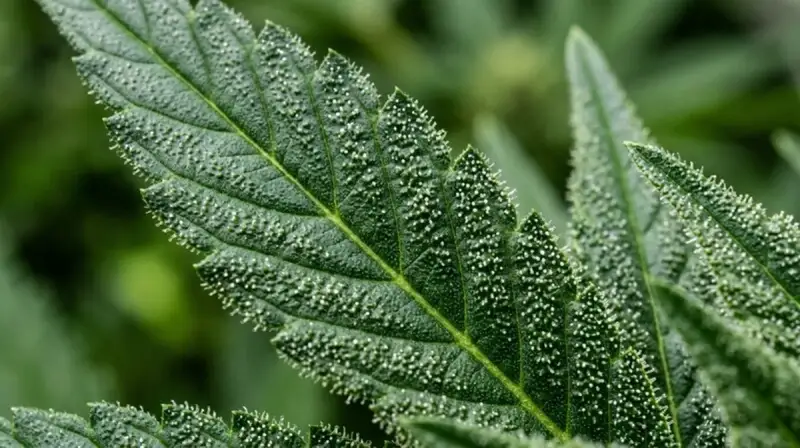
Indoor cannabis cultivation has risen to dominate the premium segment of the legal cannabis market. By sealing the grow environment from the unpredictability of nature, indoor cultivators can manipulate nearly every variable that affects plant development — light intensity and spectrum, temperature, humidity, CO2 levels, airflow, and nutrient delivery. This level of control allows skilled growers to consistently produce flower that tests at peak potency and presents with the visual appeal that commands premium prices at the dispensary counter.
Strengths of Indoor Cannabis
Consistency and quality control are the hallmarks of indoor production. A well-run indoor facility can produce nearly identical batches year after year, regardless of weather, season, or geography. This makes indoor cannabis particularly valuable for medical cannabis patients who need reliable dosing and for brands that stake their reputation on consistent products. Indoor buds also tend to be visually stunning — dense, well-trimmed nuggets covered in glistening trichomes that photograph beautifully for marketing materials.
Higher and more predictable THC levels are another major advantage. Because growers control the light cycle precisely, they can trigger and optimize the flowering phase with scientific precision. Light intensity can be dialed to the exact spectrum plants need at each growth stage, pushing trichome production and cannabinoid synthesis to their maximum potential. Many top-shelf indoor strains available at legal dispensaries regularly test above 25% THC. Explore our cannabis effects guide to understand how potency affects your experience.
Year-round production means indoor facilities can run multiple harvests annually, ensuring consistent supply chains for dispensaries. Unlike outdoor grows that are constrained to a single annual harvest tied to natural seasons, indoor operations in states like Colorado, California, or Michigan can harvest every 8–12 weeks.
Weaknesses of Indoor Cannabis
The most significant drawback of indoor cultivation is its substantial environmental footprint. Cannabis grows under high-intensity lighting require enormous amounts of electricity. Studies have estimated that cannabis indoor cultivation in the United States accounts for roughly 1% of national electricity consumption, with a single kilogram of indoor cannabis producing approximately 4,600 kg of CO2 equivalent. As sustainability becomes a growing consumer concern, this environmental cost is increasingly scrutinized.
Higher retail prices are the direct consumer-facing consequence of elevated production costs. Electricity, HVAC infrastructure, grow lighting, facility leases, and intensive labor all add up, and those costs flow directly into the price you pay at the dispensary. Premium indoor flower frequently retails between $45–$65 per eighth ounce in major legal markets.
Some cannabis connoisseurs also argue that the terpene profile of indoor cannabis, while clean and reliable, can lack the depth and complexity achievable with sun-grown flower. The natural environmental stressors that outdoor plants experience — UV radiation, temperature fluctuations, living soil biology — can trigger terpene production in ways that artificial environments don't fully replicate. Learn more about how terpenes shape your cannabis experience in our terpene guide.
Best For:
- Consumers who prioritize visual appeal and bag appeal
- Medical patients requiring precise, consistent cannabinoid dosing
- Connoisseurs seeking predictable, strain-specific terpene profiles
- Those in climates where outdoor cultivation isn't feasible
Deep Dive: Outdoor Cannabis
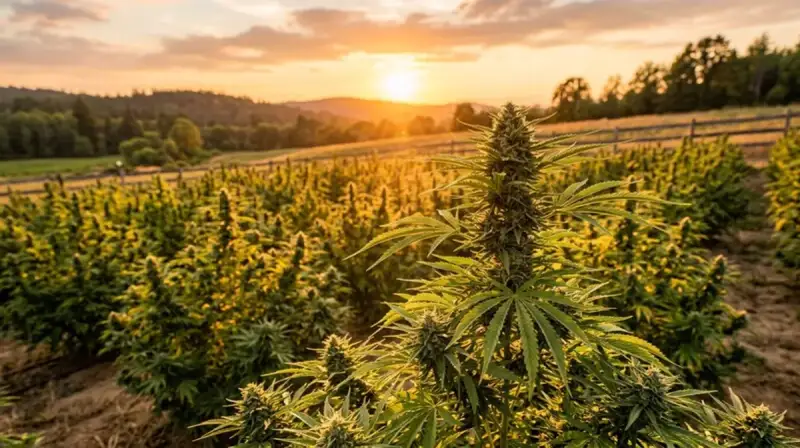
Outdoor cannabis cultivation is as old as the plant itself. For millennia, cannabis grew under open skies, nourished by sunlight, rain, and rich soil ecosystems. Today's legal outdoor cannabis operations in states like California's Emerald Triangle, Oregon's Rogue Valley, and Colorado's mountain communities are producing sun-grown flower that is challenging deeply held assumptions about outdoor quality. The "outdoor equals inferior" stigma that dominated the early legal market is rapidly eroding as craft outdoor and regenerative sun-grown brands earn devoted followings.
Strengths of Outdoor Cannabis
Natural sunlight is simply superior to artificial lighting in total light energy delivered to a plant. The sun provides a full-spectrum light source of unmatched intensity, allowing outdoor cannabis plants to grow to enormous sizes — sometimes exceeding 12 feet in height — and produce yields per plant that would be economically impossible to replicate indoors. This translates directly into lower production costs and, ultimately, more affordable flower for consumers. Visit our cannabis growing guide for more on outdoor cultivation techniques.
Terpene complexity is where outdoor cannabis truly shines for many connoisseurs. Plants grown in living soil teeming with microorganisms, exposed to natural UV radiation, seasonal temperature swings, and native beneficial insects develop a "terroir" — a sense of place — that is reflected in their aromatic and flavor profiles. Just as wine grapes express the characteristics of the soil and climate where they're grown, outdoor cannabis develops terpene signatures that reflect its environment. Many experienced consumers describe well-grown outdoor cannabis as having a richer, more multi-layered sensory experience.
Sustainability and environmental benefits are increasingly important to cannabis consumers. Outdoor cannabis uses free solar energy, typically requires less synthetic nutrient input (especially when grown in amended native soils or using regenerative agriculture practices), and produces a dramatically smaller carbon footprint per gram than indoor production. For eco-conscious consumers, choosing quality outdoor cannabis is one of the most meaningful purchasing decisions they can make. Learn more in our cannabis explainers section.
Weaknesses of Outdoor Cannabis
Vulnerability to environmental factors is the most significant challenge for outdoor growers. Unexpected rain during harvest season can invite mold and bud rot. Pest pressures, wildfire smoke (an increasing concern in western states), and early frosts can devastate crops. Even in ideal years, batch-to-batch consistency is harder to achieve than with indoor production, making quality assurance more challenging for large commercial outdoor brands.
Visual and structural differences can disadvantage outdoor cannabis in dispensary display cases. Outdoor buds often have a looser, less compact structure than their indoor counterparts, and the color palette tends toward deeper greens and purples rather than the bright, vibrant hues associated with premium indoor flower. While these differences don't necessarily indicate lower quality, they can create consumer perception challenges at the point of sale.
Single annual harvest limits outdoor production to one crop per year in most climates, which can create supply inconsistencies and makes it difficult for brands to guarantee year-round product…