










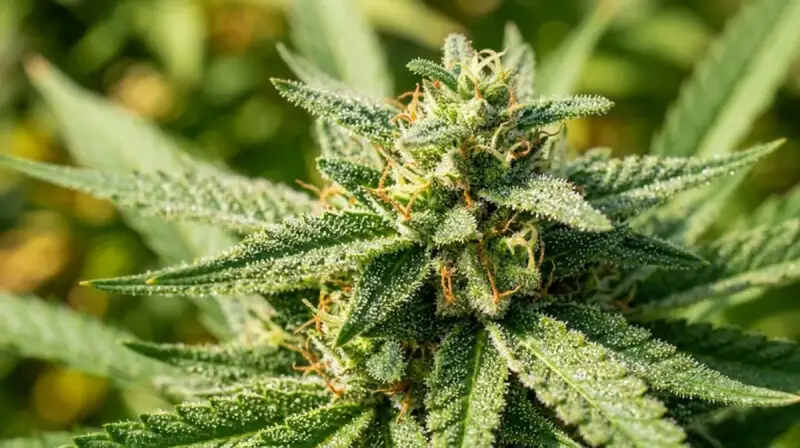
- THC levels of 25–30% place GG4 among the most potent strains consistently available at dispensaries.
- Caryophyllene-dominant terpene profile delivers a spicy diesel aroma and binds CB2 receptors directly.
- Heavy indica body effect — couch-lock is common at standard doses for moderate consumers.
- Extraordinary resin production makes it a leading choice for live resin, rosin, and hash extraction.
- Moderate grow difficulty; humidity control in late flower is critical to prevent bud rot in dense colas.
Genetics & Origins
Gorilla Glue — officially rebranded Original Glue or GG4 following a trademark settlement with the adhesive manufacturer — was developed by GG Strains, a breeder collective formed by Joesy Whales, Lone Watie, and Mardogg. The strain was reportedly discovered accidentally around 2011–2014 when a hermaphroditic plant of Chem’s Sister crossed with Sour Dubb, and the resulting seeds were then crossed into Chocolate Diesel. What started as an unintended pollination became one of the most decorated strains of the modern era, winning multiple Cannabis Cup titles across multiple categories.
The three-way cross produces a genetic profile that leans indica in structure — dense, heavy nodes, compact internodal spacing — while the sativa heritage from Chem’s Sister and Sour Dubb contributes an initial cerebral rush that distinguishes it from purely sedating indicas. The Chocolate Diesel parent brings the complex dark, earthy diesel aroma that becomes the strain’s olfactory signature. Today, dozens of GG4 phenotypes circulate across licensed producers, though the original GG Strains cut remains the gold standard for flavor and potency benchmarking.
Terpene Profile
GG4 expresses one of the most distinctive terpene profiles in the indica-dominant hybrid category. Its dominant terpene — caryophyllene — is the only known terpene that interacts directly with the endocannabinoid system by binding CB2 receptors, making it pharmacologically active independent of THC. Myrcene and limonene round out the top three, creating the characteristic dark-earthy-diesel aroma that experienced users associate immediately with the strain.
| Terpene | Aroma Note | Concentration | Functional Role |
|---|---|---|---|
| Caryophyllene | Pepper, dark spice, diesel | Dominant | Binds CB2 receptors; anti-inflammatory pathway support |
| Myrcene | Earthy musk, dark chocolate | Secondary | Potentiates THC absorption; deepens body relaxation |
| Limonene | Citrus, pine, sour diesel | Tertiary | Elevates mood; reduces anxiety; brightens the heavy base |
Terpene concentrations vary by phenotype, curing method, and growing conditions. Lab-tested flower from licensed producers will display exact percentages on the certificate of analysis (COA).
Effects: What to Expect
Gorilla Glue is a high-impact strain best suited to experienced consumers or those with a specific therapeutic need for strong sedation. Novice users should begin with a single low dose and allow at least 20 minutes before evaluating effects — at 25–30% THC, the margin for overconsumption is narrow and can produce disorientation, elevated heart rate, and anxiety in unprepared users.
Onset (0–15 minutes)
A sharp cerebral rush arrives within minutes of the first inhalation. Caryophyllene and limonene drive an initial wave of euphoria — mood elevates noticeably, sensory perception sharpens, and music or visual input can feel unusually vivid. Mental clarity is high at this early phase, which many users describe as creative and social. The heaviness has not yet settled.
Peak (15–90 minutes)
As myrcene-potentiated THC uptake reaches full expression, the head high deepens while a dense, warm body relaxation spreads from the neck and shoulders progressively downward. This is the phase GG4 is most famous for: the so-called “glued to the couch” effect. Physical motivation drops sharply. Tactile sensations become pronounced. Most consumers find standing up, answering messages, or completing tasks genuinely unappealing at peak — making this strain best scheduled for evening or low-obligation periods.
Tail (90 minutes – 3+ hours)
Effects mellow into a profound calm that frequently transitions into sleep for regular consumers. Strong appetite stimulation is characteristic during the comedown. Dry mouth and dry eyes are near-universal with GG4; hydration before consumption is recommended. For patients using GG4 for insomnia or chronic pain, this tail phase is often the primary therapeutic target.
Gorilla Glue vs. Similar Strains
Understanding how GG4 compares to its closest relatives helps consumers and patients make informed decisions. The table below covers the three most frequently compared strains.
| Strain | Type | THC Range | Key Difference vs. GG4 |
|---|---|---|---|
| OG Kush | Indica-dom Hybrid | 19–26% | More pine and lemon; less sedating than GG4 at equivalent doses |
| White Widow | Balanced Hybrid | 18–25% | Much more balanced head/body; lower couch-lock intensity; better for daytime |
| Trainwreck | Sativa-dom Hybrid | 18–25% | More cerebral and racey; far less body sedation; not suited for insomnia use |
Growing Gorilla Glue
| Parameter | Indoor | Outdoor |
|---|---|---|
| Flowering Time | 8–9 weeks | Late October harvest |
| Yield | 400–500 g/m² | Up to 600 g/plant (ideal conditions) |
| Height | Medium — 80–120 cm | Medium-tall — 120–160 cm |
| Difficulty | Moderate | Moderate |
| Optimal Temp. | 20–25°C (68–77°F) | Warm, sunny continental |
| Humidity (Late Flower) | Below 45–50% RH | Avoid prolonged wet spells |
GG4 is a moderate-difficulty grow primarily because of two characteristics that demand attention: extreme resin production and dense bud structure. The same trichome density that makes it desirable also makes the plant vulnerable to botrytis (gray mold) if humidity climbs above 50% relative humidity during the final two weeks of flower. Indoor growers should invest in a reliable hygrometer and oscillating airflow to protect colas. Low-stress training (LST) or topping during vegetative growth significantly opens the canopy and improves light penetration to lower bud sites, boosting both yield and terpene development in secondary colas. Outdoor growers benefit from a long warm season — late October harvests in the Northern Hemisphere give the plant full time to express its resin potential. Trim sessions require nitrile gloves and isopropyl alcohol nearby; the resin load on scissors and hands is extraordinary, fully living up to the strain’s name.
Drug Test Detection Times
THC metabolites from high-potency strains like GG4 accumulate in fat tissue and clear at rates that depend on consumption frequency, metabolism, body composition, and hydration. The windows below reflect general estimates for moderate consumers; daily or heavy users should expect all windows to extend significantly.
| Test Type | Detection Window | Notes |
|---|---|---|
| Urine | 3–30+ days | Most common test; daily users may exceed 30 days |
| Blood | Up to 36 hours | Reflects recent active intoxication |
| Saliva | 24–72 hours | Common for roadside enforcement testing |
| Hair | Up to 90 days | Detects historical use; unreliable for single-session |
Medical & Therapeutic Use
Gorilla Glue’s high-THC, caryophyllene-dominant profile makes it a frequently cited option for patients managing chronic pain, where the combination of CB1 and CB2 receptor activity provides both analgesic and anti-inflammatory support. Insomnia patients often report that the sedating tail phase of GG4 effectively shortens sleep onset and reduces nighttime waking. Depression and anxiety patients use it selectively — the limonene content supports mood elevation and the initial euphoric onset can interrupt rumination cycles — though the high potency means anxiety can paradoxically worsen in THC-sensitive individuals who exceed a comfortable dose. Appetite stimulation is consistent and pronounced, making GG4 relevant for cachexia management in medical contexts. The strain is not recommended for daytime use in situations requiring sustained concentration or physical coordination.