










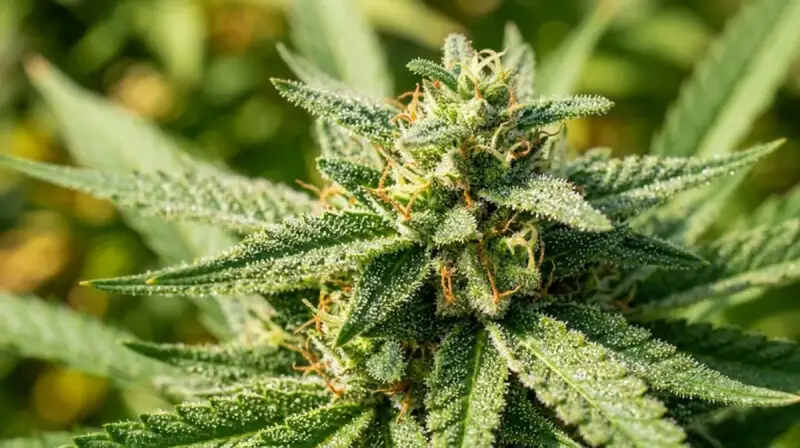
- Genetics: Lemon Skunk × Sour Diesel — both sativa-leaning parents; Cookie Fam Genetics, Bay Area
- THC Range: 21–28% — high potency with a notably cerebral, energetic onset unlike most strains in this range
- Dominant Terpenes: Terpinolene · Myrcene · Ocimene — intense fresh lemon with diesel depth and floral notes
- Primary Effects: Euphoric, energetic, creative — one of the highest-rated flavor-effect combinations at legal dispensaries
- Best For: Daytime creative work, social situations, mood elevation, mild pain management
- Flavor Reputation: Among Leafly’s highest-rated flavor strains — consistently ranked for aroma intensity and quality
- Unique Feature: Terpinolene dominance is rare in high-THC commercial strains — produces a distinctly different effect quality from myrcene-dominant alternatives
Genetics & Lineage: Cookie Fam Meets Diesel Country
Lemon Tree comes from Cookie Fam Genetics — the Bay Area collective responsible for the Girl Scout Cookies family and one of the most influential groups in modern cannabis breeding. Unlike many Cookie Fam offspring that inherit the earthy-sweet Cookies character, Lemon Tree takes its flavor identity entirely from its parents: Lemon Skunk contributes the vivid citrus terpene profile, and Sour Diesel adds the fuel-diesel depth that prevents the lemon from being one-dimensionally sweet.
Lemon Skunk Parent
Lemon Skunk was developed by DNA Genetics from two separate Skunk phenotypes selected specifically for their lemon expression. The strain carries a high concentration of terpinolene — a terpene that produces fresh, vivid lemon and floral notes quite different from the standard citrus character of limonene. Where limonene smells like lemon candy or cleaning products, terpinolene smells like fresh-cut lemon zest. That distinction is precisely what makes Lemon Tree’s flavor profile stand apart from other citrus-adjacent strains.
Sour Diesel Parent
Sour Diesel is one of the most recognizable strains in North American cannabis history — pungent diesel-fuel aroma, potent cerebral effects, and sativa-dominant genetics that produce energy and focus rather than sedation. In Lemon Tree, the Sour Diesel parent contributes the diesel depth that grounds the lemon brightness, and the sativa-dominant genetics that drive the energetic, creative effect profile. The combination produces a strain that tastes vivid and complex while hitting with the clean, functional energy of a well-made sativa hybrid.
The Terpinolene Advantage
Terpinolene is the key differentiator between Lemon Tree and the dozens of other lemon-named strains on the market. Most strains described as ‘lemon’ derive their citrus character from limonene — a common terpene that produces a citrus-candy note. Terpinolene is rarer in high concentrations and produces a more complex, fresh-lemon character alongside floral and fruity notes. In effect terms, terpinolene is associated with uplifting, mildly stimulating properties rather than the sedating tendency of high-myrcene strains. This terpene profile is a primary reason why Lemon Tree consistently receives high ratings for both flavor and functional daytime use.
Terpene & Cannabinoid Profile
| Compound | Typical Level | Effect Contribution | Aroma Note |
|---|---|---|---|
| THC | 21–28% | Euphoria, pain, energy | — |
| Terpinolene | Dominant (0.4–0.65%) | Uplifting, mildly stimulating, light sedation | Fresh lemon zest, floral, pine-herb |
| Myrcene | Secondary (0.2–0.4%) | Body relaxation, BBB modulator | Earthy, musky base |
| Ocimene | Tertiary (0.1–0.25%) | Antifungal, sweet floral uplift | Sweet, tropical, floral |
| Caryophyllene | Minor (0.1–0.2%) | CB2 anti-inflammatory | Spicy, woody |
Flavor & Aroma
Lemon Tree delivers one of the most vivid and true-to-name citrus experiences in commercial cannabis. The aroma is intense fresh lemon zest and diesel fuel — the lemon is up front and dominant, the diesel is unmistakable underneath without overwhelming the fruit. Breaking the bud amplifies both characters; the fresh-squeezed lemon note from terpinolene is notably cleaner and more true-to-fruit than the candy-lemon of limonene-dominant strains. On combustion, the flavor is lemon-diesel with a sweet-floral exhale from the ocimene. The combination is consistently rated among the best flavor profiles in hybrid cannabis.
Effects Profile — Euphoric Energy With Creative Edge

Onset, Peak & Duration
- Onset: 2–5 minutes — bright, immediate cerebral lift; often described as a clean mental ‘brightening’
- Euphoric peak: 20–50 minutes — strong euphoria with creative engagement; energetic without racing or anxiety
- Body component: Mild-moderate from myrcene secondary; noticeable but not sedating at moderate doses
- Creative window: 30–90 minutes — peak period for focused creative work or social engagement
- Total duration: 2–3 hours smoked; 4–5 hours edible
- Best timing: Daytime to early evening; functional at moderate doses in a way most 25%+ strains are not
"Lemon Tree is the strain I cite when people ask why the sativa/indica label matters less than the terpene panel. The terpinolene dominance is what drives the clean, uplifting creative effect — not the 50/50 genetic split. This is the rare high-THC strain where the flavor profile and the effect profile are both exceptional."
Medical Applications
| Condition | Why It Works | Notes |
|---|---|---|
| Depression / Low Mood | Terpinolene uplift + high-THC euphoria | One of its strongest applications |
| Fatigue | Energetic onset; no heavy myrcene sedation | Functional daytime fatigue management |
| Mild Pain | CB1 (THC) + CB2 (caryophyllene) | Better for mild-moderate than severe pain |
| ADHD / Focus | Low-dose terpinolene stimulation | Dose-sensitive; high doses impair focus |
| Stress | Mood elevation + mild body relaxation | Better for functional stress than anxiety with paranoia risk |
Growing Lemon Tree
| Parameter | Specification |
|---|---|
| Flower Time | 9 weeks (63 days) |
| Indoor Yield | 14–18 oz/m² |
| Outdoor Yield | 14–18 oz per plant; harvest mid-October |
| Plant Height | Medium-tall (36–48 in indoor) — Sour Diesel stretch |
| Grow Difficulty | Intermediate |
| Terpene Preservation | Critical — terpinolene degrades rapidly; proper drying and cure essential |
| Climate | Warm preferred; temperate tolerated with care |
Grow Tips
- Terpene preservation is the priority: Terpinolene degrades faster than myrcene or caryophyllene — keep drying temperatures below 65°F and cure in sealed glass for 6–8 weeks minimum to preserve the lemon character
- Height management: The Sour Diesel genetics drive significant vertical stretch in early flower — top or use SCROG to contain height indoors
- Light intensity: High light levels improve terpene production; this strain responds well to 1000W HPS or equivalent LED
- Harvest timing: Harvest at predominantly cloudy trichomes (80–90% cloudy, minimal amber) for the uplifting creative effect — amber trichomes push toward sedation and reduce the terpinolene contribution
- Flush: 10–14 day flush preserves flavor; Lemon Tree’s complex terpene profile is particularly vulnerable to residual nutrient interference on the palate
Lemon Tree vs. Similar Strains
| Strain | Type | THC | vs. Lemon Tree |
|---|---|---|---|
| Lemon Tree | Hybrid 50/50 | 21–28% | — Reference — |
| Sour Diesel | Sativa-dominant | 19–25% | Parent strain; more diesel, less lemon complexity |
| Jack Herer | Sativa-dominant | 15–24% | Also terpinolene-dominant; more herbal, less lemon |
| Super Lemon Haze | Sativa-dominant | 16–25% | Citrus-forward but less diesel depth |
| Gorilla Zkittlez | Hybrid 50/50 | 22–28% | Comparable potency; fruity vs. lemon-fuel flavor |
Video: Lemon Tree Strain Review
Cookie Fam’s Lemon Tree — why terpinolene dominance makes this one of the most distinct flavor-effect combinations in high-THC hybrid cannabis.
Frequently Asked Questions
Why is Lemon Tree considered one of the best-flavored strains?
Lemon Tree’s exceptional flavor comes from its terpinolene dominance — a terpene profile that is notably rare in high-THC commercial cannabis. Terpinolene produces a fresh, vivid lemon-zest character that is more intense and true-to-fruit than the candy-citrus note of limonene, which is the citrus terpene in most other ‘lemon’ strains. Combined with the diesel depth of the Sour Diesel parent, the result is a multi-dimensional citrus-fuel flavor that consistently ranks among the best-rated profiles on major cannabis review platforms. When terpene panels show terpinolene as the dominant compound, the lemon character is genuine rather than cosmetic.
Is Lemon Tree a sativa or indica?
Lemon Tree is a balanced 50/50 hybrid — unusual given that both parent strains (Lemon Skunk and Sour Diesel) are sativa-dominant. The breeding process produced a more balanced genetic split, which shows in the effect profile: cerebral euphoria and energy from the sativa-dominant parents, balanced by moderate body relaxation from the indica component. It does not behave like a heavy indica and does not exhibit the racing anxiety potential of pure sativa strains at reasonable doses. The balanced genetics combined with terpinolene dominance make it unusually versatile for daytime use at high THC levels.
Who makes Lemon Tree and where can I find it?
Lemon Tree was developed by Cookie Fam Genetics — the Bay Area collective that also produced Girl Scout Cookies, Sunset Sherbet, and several other landmark Bay Area strains. It is widely available in California dispensaries and increasingly common across other legal states. To verify genetic authenticity, ask your dispensary for the Certificate of Analysis terpene panel — genuine Lemon Tree will show terpinolene as the dominant terpene. Strains labeled ‘Lemon Tree’ with limonene-dominant or myrcene-dominant terpene panels are likely mislabeled or represent different genetics.
Is Lemon Tree good for focus and creativity?
Yes — at moderate doses, Lemon Tree is one of the more reliable high-THC options for creative and focused work. The terpinolene-dominant profile produces an uplifting, clear-headed effect that contrasts with the heavy sedation of myrcene-dominant strains. Many consumers report sustained creative engagement and improved focus during the 30–90 minute post-onset window. Dose management is essential: at high doses, the 21–28% THC overwhelms the functional benefits and shifts toward euphoric intoxication. For creative use, treat it like a tool rather than a recreation — one or two small inhalations is significantly more productive than a full session.
Related Strains
Jordan Price has spent over a decade studying cannabis genetics, cultivation science, and consumer pharmacology. All strain guides on ZenWeedGuide are reviewed for factual accuracy before publication.