










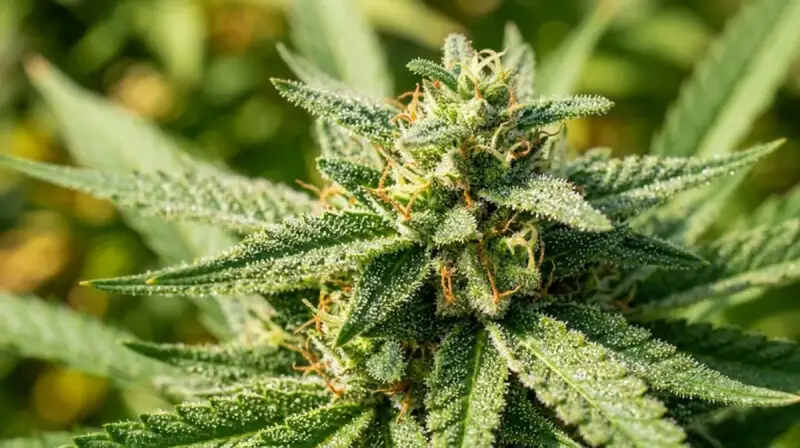
- Genetics: Lemon OG × Classic OG Kush
- THC Range: 19–23% (average ~21%)
- Dominant Terpenes: Limonene, Myrcene, Caryophyllene, Pinene
- Primary Effects: Relaxed, euphoric, uplifting cerebral onset, progressive body relaxation
- Medical Uses: Stress, chronic pain, insomnia, depression, nausea
- Indoor Yield: 400–500 g/m²
- Best For: Evening, late afternoon, unwinding after demanding days
- Flavor: Bright lemon on inhale, pine and fuel on exhale
What Is Lemon OG Kush?
Lemon OG Kush is a potent hybrid that merges the bright citrus terpene expression of Lemon OG genetics with the deep, earthy-fuel potency of classic OG Kush lineage. The result is a strain that delivers a two-phase experience: an uplifting, lemon-bright cerebral onset followed by a wave of OG-signature body relaxation that deepens progressively over the session. At 19–23% THC, it is firmly in the high-potency category — a serious strain that rewards those who treat it with respect.
The flavor experience alone has built Lemon OG Kush a devoted following. The contrast between the clean citrus inhale and the complex, fuel-and-pine OG exhale creates a multi-dimensional sensory experience that is rare in hybrid cannabis. Experienced consumers often describe it as the best of both worlds: the aroma and initial uplift of a premium lemon sativa paired with the grounding, relaxing finish of an elite OG indica. It has become a go-to strain for those who want a premium evening experience without sacrificing the pleasant cerebral onset that makes the beginning of a session enjoyable.
Medical patients have taken notice too. The combination of potent THC, substantial myrcene-driven muscle relaxation, and the mood-supportive limonene contribution makes Lemon OG Kush a versatile therapeutic option for stress, chronic pain, and sleep difficulties. As with all high-THC strains, dosing carefully is essential, especially for those new to cannabis or returning after a tolerance break.
Genetics & Breeding Background
Lemon OG Kush sits at the intersection of two iconic lineage families: the lemon-citrus Skunk derivatives and the OG Kush family. Understanding its genetic heritage helps explain why the strain behaves the way it does — both in the garden and in the body.
The Lemon OG parent brings the essential citrus terpene architecture. Lemon OG — also known as Lemon OG Kush in some markets — traces its own roots through Las Vegas Lemon Skunk and OG #18, meaning the “Lemon” side of this strain already carries OG Kush genetics before the additional OG cross. This double-OG structure is part of what gives Lemon OG Kush its particularly pronounced fuel and earth character on the exhale despite the dominant citrus profile on the inhale.
The Classic OG Kush contributor reinforces the OG genetic foundation with the most celebrated cut of OG Kush available — the original Hindu Kush × ChemDawg-derived hybrid that sparked the entire OG movement in California cannabis culture. Classic OG Kush contributes heavy resin production, the signature lemon-pine-fuel terpene stack, deep body relaxation, and the structural characteristics that make OG-family plants behave the way they do in cultivation: bushy, dense-budding, with heavy lateral branching that responds well to training.
The combination produces a strain with layered complexity that rewards close attention. The first time you encounter a well-grown, properly cured jar of Lemon OG Kush, the terpene interaction between the two lemon-forward parent profiles — one from Skunk origin, one from OG origin — is genuinely distinctive. Explore our full strain database to compare related OG family members.
Cannabinoid & Terpene Profile
The character of Lemon OG Kush is built on the interaction between its prominent terpene profile and its high THC content. Understanding the key compounds involved helps consumers predict what the experience will be like and how it compares to other strains in their rotation. See our terpene guide for expanded analysis of each compound.
| Compound | Typical % | Aroma Note | Role & Effect |
|---|---|---|---|
| Limonene | 0.7–1.4% | Bright lemon, citrus zest | Mood elevation, anxiolytic, stress reduction |
| Myrcene | 0.6–1.3% | Earthy musk, herbal | THC potentiation, muscle relaxation, sedation at high doses |
| Caryophyllene | 0.3–0.7% | Spicy pepper, woody | CB2 agonist; anti-inflammatory, stress modulation |
| Alpha-Pinene | 0.2–0.5% | Pine, fresh forest | Alertness, bronchodilation, may counteract short-term memory impairment |
| Linalool | 0.1–0.3% | Floral, lavender | Anxiolytic support, mild sedative properties |
| THC | 19–23% | — | Primary psychoactive; euphoria, analgesia, appetite, relaxation |
The myrcene level in Lemon OG Kush is notably higher than in Agent Orange or many other citrus-forward hybrids, which is a key reason why the OG relaxation component is so pronounced. High myrcene increases the permeability of the blood-brain barrier to THC, effectively amplifying the psychoactive intensity beyond what the percentage number alone would suggest — a critical factor for consumers calibrating dose. The pinene presence provides a mild counterbalancing alertness quality that keeps the onset from immediately tipping into sedation, explaining the pleasant cerebral uplift that characterizes the first 30–45 minutes of a Lemon OG Kush session.
Effects: Full Session Profile
Lemon OG Kush produces a clearly structured two-phase experience that distinguishes it from simpler, one-note hybrids. The arc from onset to comedown is reliable across consumer reports and consistent with the terpene and cannabinoid profile.
Onset — The Lemon Uplift (0–30 Minutes)
Initial effects arrive within 5–10 minutes of inhalation, beginning with a light, pleasant pressure around the eyes and temples followed quickly by a genuine mood uplift. The limonene and pinene combination in the early phase creates a clear, citrus-brightened headspace that feels more sativa-like than the strain’s indica genetics might suggest. Creative thoughts flow more readily, conversation feels easy, and there is a subtle sensory enhancement — music sounds better, food smells more appealing — that makes this initial phase enjoyable for social or creative activities.
Experienced OG consumers will recognize the early-phase OG cerebral quality: a focused, thought-sharpening quality that feels productive and engaged rather than scattered. This is the window in which Lemon OG Kush is most appropriate for creative work or tasks that benefit from an elevated, slightly altered perspective.
Peak — The OG Body Wave (30–90 Minutes)
By the thirty-minute mark, the myrcene and high THC content begin asserting the strain’s indica heritage. A progressive wave of physical relaxation moves from the head and neck downward through the shoulders, arms, and torso. This is not an abrupt body-lock; rather, it is a gradual, warm heaviness that makes physical activity feel increasingly unappealing while mental ease deepens. The cerebral component remains pleasant but becomes less sharp-edged — dreamy and content rather than actively engaged.
This is the phase where Lemon OG Kush most clearly shows its OG Kush lineage. The combination of mental contentment and deep physical relaxation is the OG signature experience, and Lemon OG Kush delivers it faithfully. Consumers managing chronic pain, muscle tension, or stress will find this phase particularly beneficial. At higher doses, full couch-lock and progressive drowsiness become likely — which is appropriate for the evening use case this strain is best suited to.
Tail — Sedative Finish (90–180 Minutes)
The final phase of a Lemon OG Kush session is characterized by deepening relaxation and increasing drowsiness. Most consumers find this a natural transition into sleep or a prolonged, comfortable rest state. Appetite stimulation is typically strong in this phase. The following morning carries minimal grogginess in most cases when consumed in reasonable quantities — though very high doses before bed can produce a slight cognitive fogginess in the first hour after waking.
Flavor & Aroma Profile
Lemon OG Kush offers one of the more interesting flavor journeys in the hybrid cannabis space precisely because the two parent terpene profiles — both distinctly OG-influenced but from different citrus angles — interact to create a multi-layered sensory experience rather than a single monotone profile.
On first encounter, the dried flower’s aroma is dominated by a clean, bright lemon-citrus scent with moderate sweetness — closer to lemon peel than lemon candy. Breaking the buds releases a second layer of earthy pine and a faint fuel note that signals the OG heritage immediately to experienced consumers. The fuel note is restrained rather than dominant — it adds complexity and depth without overwhelming the citrus character.
The smoke or vapor on the inhale leads with lemon-citrus and a slight pine quality that is clean and refreshing. The exhale reveals the full OG character: earthy pine, light fuel, and a subtle spicy note from caryophyllene that lingers pleasantly on the palate. The transition between the citrus inhale and the earthy-fuel exhale is the defining characteristic of the Lemon OG Kush flavor experience — a contrast that makes each draw feel complete and satisfying in a way that single-note strains cannot achieve.
Medical & Therapeutic Uses
Lemon OG Kush is widely regarded as one of the more versatile therapeutic strains in the high-THC hybrid category. Its combination of strong analgesia (from THC), muscle relaxation (from myrcene), mood support (from limonene), and anti-inflammatory properties (from caryophyllene) addresses multiple symptom categories simultaneously. Always consult a healthcare professional before using cannabis for medical purposes. See our medical cannabis section for broader context.
Chronic Pain: The high THC content combined with myrcene-driven muscle relaxation makes Lemon OG Kush effective for managing moderate-to-severe chronic pain, including neuropathic pain, muscle spasms, and inflammatory pain conditions. The progressive body relaxation of the peak phase directly addresses muscle tension and physical discomfort.
Insomnia: Lemon OG Kush is among the most reliable sleep-aid strains in the high-potency hybrid category. The sedative tail phase is consistent and pronounced, and the high myrcene content amplifies the sleep-inducing properties of the THC. Consumed 30–60 minutes before bed, it helps initiate sleep for many consumers who struggle with insomnia.
Stress & Anxiety: The mood-elevating onset phase, driven by limonene and the OG cerebral quality, provides meaningful stress relief. At moderate doses, this strain is excellent for unwinding after high-stress periods. Caution: the potent THC level can increase anxiety at high doses, particularly for those with anxiety disorders.
Depression: The euphoric onset and mood-brightening citrus terpene profile make Lemon OG Kush appealing to patients managing depressive symptoms, though the heavy sedation of the peak and tail phases means it is better suited to evening use than as a daytime mood-management tool.
Nausea: OG Kush family strains have a well-documented reputation for anti-nausea properties, and Lemon OG Kush inherits this characteristic. The smooth smoke quality and pleasant flavor make consumption tolerable even when nausea is present.
Growing Lemon OG Kush
Lemon OG Kush is a moderately demanding cultivar that reflects the OG Kush growing requirements: it thrives in controlled environments, responds well to training, and rewards precise nutrient management with exceptional resin production and yield. Visit our complete growing guide for detailed cultivation resources.
Indoor Growing
Indoors, Lemon OG Kush performs best in soil or coco-coir systems with temperatures between 68–78°F (20–26°C) and relative humidity maintained at 45–55% during vegetative growth, dropping to 40–45% during flowering to protect against mold. The strain’s OG Kush genetics produce dense, resin-heavy buds that can trap moisture — good airflow is essential. SCROG and LST training are highly effective at opening the canopy and maximizing the yield from the heavy lateral branching typical of OG genetics. Expect 400–500 g/m² under optimized conditions with an 8–9 week flowering cycle.
The trichome development in late flowering is exceptional — a thick frost of white to amber trichomes covers not just the buds but the surrounding sugar leaves. Harvest timing matters significantly: a 60–70% amber trichome ratio produces the balanced effect profile described above, while harvesting earlier (mostly clear/milky) produces a more cerebral, racy effect, and harvesting later (80%+ amber) deepens sedation and couch-lock.
Outdoor Growing
Outdoors, Lemon OG Kush does well in warm, dry climates with a long season. The strain’s OG genetics mean it can handle modest temperature variation but should be protected from heavy rain during the final flowering weeks when the dense buds are most vulnerable to botrytis. Harvest falls in mid-to-late October in Northern Hemisphere grows. Outdoor plants can reach 5–6 feet with generous yields when given full sun and adequate root space. The citrus terpene expression can be particularly pronounced in outdoor-grown material, especially in environments with warm days and cool nights during the final ripening weeks.
Feeding & Nutrient Notes
Like most OG Kush descendants, Lemon OG Kush is a moderate-to-heavy feeder during the vegetative phase and early flowering but benefits from a gradual nutrient taper through the second half of flowering to allow full terpene expression without nutrient burn. Phosphorus and potassium loading during weeks 3–6 of flowering supports bud density and resin production. Cal-Mag supplementation is typically required in both soil and hydroponic systems, particularly at higher EC levels. Flushing the final 1–2 weeks before harvest improves the cleanliness and complexity of the final flavor profile, particularly important for preserving the delicate citrus terpene character.
Consumption Methods & Dosing
Given its potency and the importance of its terpene profile, Lemon OG Kush deserves consumption methods that preserve its aromatic and chemical complexity. Vaporization at 175–190°C captures the full citrus-pine-fuel terpene spectrum beautifully and is the method most recommended by experienced consumers who want to appreciate the strain’s flavor character. Starting at a lower temperature setting and increasing gradually through the session extracts different terpene and cannabinoid compounds at optimal points, creating a more nuanced experience than any single-temperature approach.
Flower smoking in a clean glass pipe or high-quality paper preserves more flavor than metal or spice-infused wraps. The OG genetics contribute naturally smooth, clean smoke that makes it a pleasant smoking strain even at high doses. Concentrate forms of Lemon OG Kush — live rosin and live resin in particular — can be extraordinary flavor experiences given the complexity of the terpene profile.
Dosing guidance: At 19–23% THC, Lemon OG Kush is a potent strain that should be approached deliberately. Experienced consumers: 2–3 inhalations and wait 15 minutes. Intermediate consumers: 1 inhalation, wait 20 minutes. Beginners: approach with significant caution or consider lower-THC options. The myrcene-driven THC potentiation means effects can arrive stronger than expected.
Similar Strains
| Strain | Type | THC | Key Difference |
|---|---|---|---|
| Lemon OG Kush | Hybrid | 19–23% | Citrus onset + OG body, potent |
| OG Kush | Hybrid | 19–26% | Less citrus, more fuel/earth, heavier |
| Lemon Haze | Sativa-dominant | 15–20% | More sativa, lighter body, daytime |
| Bubba Kush | Indica | 17–22% | No citrus, heavier sedation, sleep-focused |
| GSC | Hybrid | 19–28% | Sweeter, more dessert-like, comparable potency |