










Key Findings
- Golden Goat × Pineapple Kush: 75% sativa-dominant with tropical character from both parents
- THC 18–23%; dominant terpenes: terpinolene, myrcene, caryophyllene
- Flavor: intense tropical pineapple and citrus with sweet finish — one of the most distinct flavor profiles in cannabis
- Effects: energetic cerebral euphoria, happiness, creativity, giggly sociability
- Medical: depression, anxiety, stress, and fatigue — daytime-appropriate
- Dispensary popularity driven by bright flavor and reliably uplifting effects
- Indoor yield 400–500 g/m² with training; moderate difficulty for cultivators
Genetics & Lineage
Golden Pineapple was created by crossing Golden Goat with Pineapple Kush. Golden Goat is itself a sativa-dominant strain (Island Sweet Skunk × Mr. Bill’s Wife, a Romulan × Hawaiian hybrid) known for its golden-colored buds, tropical flavor, and energetic effects. Pineapple Kush is a indica-leaning hybrid with a powerful pineapple terpene profile that consistently dominates even when crossed with sativa parents.
The result of this cross is a strain that amplifies the tropical fruit character from both parents while adding the cerebral energy of Golden Goat’s sativa genetics. At 75/25 sativa-indica ratio, Golden Pineapple sits firmly in the energetic-but-grounded category — active and uplifting without the jittery or anxious edge that can accompany extremely sativa-dominant strains.
Golden Pineapple became a dispensary standout because its flavor is immediately distinctive on opening a jar. The combination of terpinolene and myrcene in the Golden Goat parent intersects with Pineapple Kush’s sweet ester compounds to produce a genuinely tropical aroma that experienced consumers recognize instantly.
Terpene Profile
Golden Pineapple’s terpinolene-dominant profile is what gives it the bright, fresh, tropical quality that distinguishes it from the myrcene-heavy sativa strains more common at dispensaries. Terpinolene is the least common of the major cannabis terpenes and is associated specifically with the energetic, uplifting effect character found in strains like Jack Herer, Durban Poison, and Ghost Train Haze.
| Terpene | Aroma | Role in Golden Pineapple | Concentration |
|---|---|---|---|
| Terpinolene | Fresh, floral, herbal, pine | Primary uplifting driver; associated with energetic sativa effects profile | High (dominant) |
| Myrcene | Earthy, sweet, tropical | Grounds the sativa energy; contributes tropical sweetness to the aroma | Moderate–High |
| Caryophyllene | Spicy, peppery | CB2 anti-inflammatory action; balances and deepens the flavor | Moderate |
| Limonene | Citrus, lemon, lime | Mood elevation; adds the citrus brightness to the tropical flavor base | Low–Moderate |
Effects: Onset, Peak & Tail
Golden Pineapple is a daytime strain. Its terpinolene-driven effect character makes it well-suited for morning to early afternoon use, creative work, social activities, and situations where energy and mood are more important than relaxation or sleep onset.
Onset (0–15 Minutes)
Effects arrive quickly as a bright, expansive mental lift. The terpinolene-rich profile creates a distinctly energetic opening — users describe a shift in perception from flat or tired to engaged and motivated. Mood elevation is typically the first noticeable change, often accompanied by an immediate improvement in sociability and conversational energy.
Peak (15–90 Minutes)
The peak phase is characterized by active cerebral euphoria with a clear-headed, creative quality. Thought patterns feel accelerated and associative — ideal for brainstorming, artistic work, or extended social interaction. Giggly laughter is common at standard doses. Myrcene’s grounding influence prevents the peak from escalating into anxious overstimulation that can affect sensitive users with other high-THC sativa strains. Mild body relaxation from the 25% indica component keeps the experience comfortable.
Tail (1.5–3 Hours)
The come-down is gentle: energy gradually decreases as the terpinolene influence fades, leaving a mild body relaxation and satisfied contentment. This is not a strain that drives strongly toward sleep — Golden Pineapple’s tail is more of a comfortable landing than a sedating crash. The flavor often lingers pleasantly.
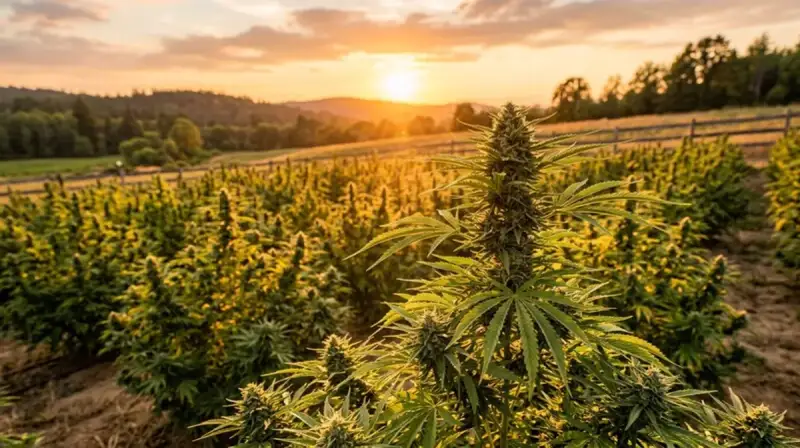
Golden Pineapple: flavor, effects, and growing overview
Medical Applications
Golden Pineapple’s sativa-dominant effect profile and terpinolene-driven mood elevation make it particularly relevant for conditions where daytime functionality needs to be maintained alongside symptom management.
| Condition | Why Golden Pineapple | Dosing Note |
|---|---|---|
| Depression | Terpinolene + THC mood lift; giggly euphoria disrupts negative thought loops | Low–moderate dose; daytime use |
| Anxiety | Low-dose euphoria can ease social anxiety; high doses may worsen it | Start very low; anxiety-prone users use caution |
| Stress | Mood elevation disrupts stress response; body relaxation from indica component | Afternoon to early evening use |
| Fatigue | Energetic terpinolene profile counteracts lethargy and mental fog | Morning or mid-day; avoid late evening |
Golden Pineapple vs. Parent Strains
Understanding Golden Pineapple relative to its parents helps clarify why this particular cross became a dispensary success rather than just another tropical-named hybrid.
| Strain | THC | Dominant Terpene | Flavor | Effect Character |
|---|---|---|---|---|
| Golden Pineapple | 18–23% | Terpinolene | Tropical pineapple / citrus | Energetic creative euphoria |
| Golden Goat | 16–23% | Terpinolene | Tropical, sweet, sour | Energetic, uplifting, euphoric |
| Pineapple Kush | 15–20% | Myrcene | Pineapple, sweet, earthy | Relaxed, mild euphoria |
| Jack Herer | 18–24% | Terpinolene | Pine, citrus, spice | Clear-headed, creative, energetic |
Growing Golden Pineapple
Golden Pineapple grows with a medium-tall sativa structure — taller than most indica-dominant strains but manageable indoors with appropriate training. The 25% indica inheritance keeps it from stretching excessively in the way of pure equatorial sativas, making it a realistic choice for indoor cultivators with standard ceiling height.
| Factor | Indoor | Outdoor |
|---|---|---|
| Flowering Time | 9–10 weeks | Mid October (N. Hemisphere) |
| Yield | 400–500 g/m² (with training) | 500–700 g/plant |
| Plant Height | 90–140 cm | 150–220 cm |
| Difficulty | Moderate | Moderate |
| Ideal Temp | 21–27°C (70–80°F) | Warm, sunny, long season |
| Training | LST or SCROG recommended | Topping for bushy structure |
Golden Pineapple’s medium-tall sativa structure benefits significantly from low-stress training or SCROG techniques that flatten the canopy and allow light to penetrate lower bud sites. Without training, the top cola dominates yield while lower bud sites receive insufficient light. A properly trained plant in SCROG configuration can push yields toward the upper end of the 400–500 g/m² range while maintaining terpene quality.
Terpene preservation is critical for this strain. The terpinolene-dominant profile is particularly volatile and can degrade rapidly if drying temperature exceeds 21°C or humidity drops below 55% during the initial drying phase. Slow-dry at 18–21°C and 58–62% RH, then cure in glass jars for at least 10 days to fully develop the tropical pineapple aroma that defines this strain.
Drug Testing Detection
THC from Golden Pineapple metabolises into THC-COOH detected in standard drug tests. See the complete drug testing guide for detail on cutoff levels and testing methodologies.
| Test Type | Occasional User | Regular User | Daily User |
|---|---|---|---|
| Urine | 3–7 days | 10–21 days | Up to 30+ days |
| Blood | 1–3 days | 3–7 days | 7–14 days |
| Saliva | 24–72 hours | 3–5 days | Up to 7 days |
| Hair Follicle | Up to 90 days | Up to 90 days | Up to 90 days |
Jordan Price
Cannabis Researcher — ZenWeedGuide
Jordan covers strain genetics, terpene science, and cannabis cultivation. Research reviewed against current peer-reviewed literature and dispensary data.