










Florida Kush Strain Guide
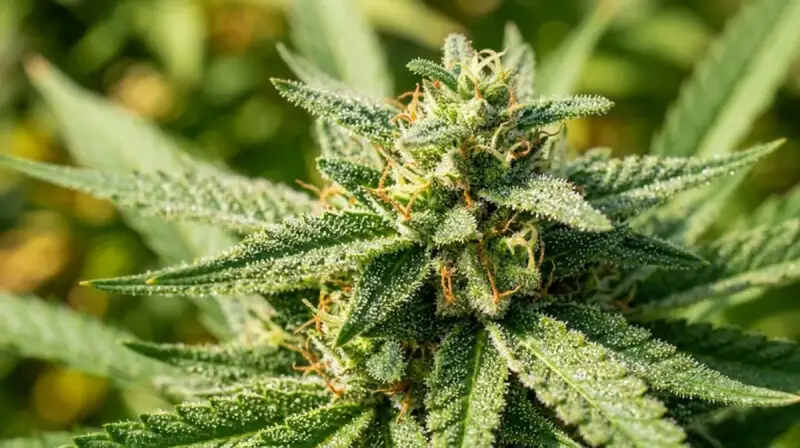
Florida Kush is the Southeast American expression of OG Kush genetics — a powerful indica-dominant cultivar that preserves the earthy fuel aroma, deep body sedation, and clinical pain relief of the OG Kush family in a phenotype selected for performance in the hot, humid subtropical conditions of Florida and the Gulf Coast. Where California OG Kush phenotypes were optimized for dry Mediterranean conditions, Florida Kush represents decades of selection pressure favoring individuals that maintained the OG effect and aroma profile while building resistance to the heat, humidity, and mould pressures of Florida summers. At 18–24% THC, it delivers authentic OG Kush qualities — classic earthy-fuel aroma, classic indica body lock, classic medical-grade pain and insomnia relief — with the environmental resilience that makes it a practical option for outdoor cultivation in warm climates globally.
- Genetics: OG Kush phenotype selected and stabilized in Florida subtropical conditions; some cuts crossed with local genetics for humidity resistance
- Type: Indica-dominant — strong body sedation, classic OG character
- THC Range: 18–24% | CBD: <1%
- Primary Terpene: Myrcene — earthy, musky; THC potentiation and muscle relaxation
- Secondary Terpenes: Linalool, Caryophyllene
- Main Effects: Strong body sedation, physical muscle lock, mental calm, euphoric onset
- Medical Uses: Chronic pain, insomnia, muscle spasms, PTSD, appetite stimulation
- Aroma: Earthy, fuel (diesel-adjacent), damp forest floor, subtle citrus
- Climate Adaptation: Heat and humidity resistant — performs in subtropical conditions where most OG Kush fails
OG Kush Lineage: Florida Kush in Context
The OG Kush family is one of the most complex and commercially significant lineage clusters in cannabis. Florida Kush is one of several regional OG expressions that have developed distinct characteristics based on the climate, selection pressures, and breeding priorities of their geographic origin. Understanding where Florida Kush sits within this family tree explains both its characteristics and its practical advantages for warm-climate growers and consumers. Browse our full strain library for other OG variants.
| Strain | Origin / Region | THC Range | Primary Aroma Character | Effect Character | Climate Adaptation |
|---|---|---|---|---|---|
| Florida Kush | Florida (Southeast US) | 18–24% | Earthy fuel, damp earth, subtle citrus | Deep body sedation; pain lock; sleep support | Subtropical — humidity and heat resistant; best OG for Gulf/SE US outdoor |
| SFV OG | San Fernando Valley, CA | 17–22% | Lemon, pine, lighter fuel note | Functional OG: body relief without full sedation; clear-headed at moderate dose | Mediterranean — dry heat; mould-sensitive; poor humid performance |
| Fire OG | OG Kush × SFV OG (CA) | 20–25% | Intense lemon-fuel; bright, pungent | Most intense OG: strongest euphoric onset + deepest body lock of any OG variant | Indoor preferred; sensitive to humidity; poor outdoor in warm wet climates |
| Tahoe OG | Lake Tahoe, CA/NV | 20–25% | Lemon, pine, earthy, slight petrol | Balanced OG: euphoric onset with full-body relaxation; faster sedation onset than standard OG | Mountain/inland dry cool climate; sensitive to humidity; superior to Florida Kush in dry conditions |
| OG Kush (original) | Southern California | 19–26% | Fuel, lemon, pine, spice — benchmark OG aroma | Classic balanced OG experience: euphoria + body relief + sedation arc | Mediterranean dry; limited humidity tolerance; mould-sensitive in SE US outdoor conditions |
The practical significance of Florida Kush within this comparison is clear: for growers and consumers in hot, humid climates — Florida, Gulf Coast, Southeast US, Southeast Asia, tropical Latin America, parts of Australia — Florida Kush delivers the authentic OG experience that standard OG Kush phenotypes cannot reliably provide in those conditions. The trade-off is a slightly less-bright terpene expression compared to the best California OG phenotypes, but this is a small price for operational reliability in environments that would see standard OG crops devastated by mould in weeks five through nine of flower.
Terpene Profile & Medical Applications
Florida Kush’s terpene profile is a myrcene-linalool-caryophyllene combination that produces the earthy, musky, gently-fueled aroma characteristic of the OG Kush family while adding a floral depth from the linalool that distinguishes some Florida phenotypes from their California cousins. Explore our full terpene science library.
| Terpene | Typical Range | Aroma | Medical Application | Evidence Base |
|---|---|---|---|---|
| Myrcene (primary) | 0.5–1.2% | Earthy, musky, herbal, slight tropical depth | Muscle relaxation; THC potentiation; sleep support; anti-inflammatory | Do Vale 2002 (Phytomedicine): sedative effects in mice at relevant concentrations; THC synergy confirmed in multiple studies |
| Linalool | 0.2–0.5% | Floral, lavender, subtle sweet overlay | Anxiolytic; sedative (GABA modulation); pain relief; sleep onset | Linck 2010 (Phytomedicine): significant reduction in sleep latency; Russo 2011 (British Journal of Pharmacology): entourage contribution confirmed |
| Caryophyllene | 0.2–0.5% | Black pepper, spice, subtle fuel complexity | CB2 anti-inflammatory; chronic pain; stress; gastrointestinal support | Gertsch 2008 (PNAS): caryophyllene confirmed as dietary CB2 agonist; Bahi 2014 (Physiology & Behavior): stress/anxiety reduction in animal models |
Effects of Florida Kush
Florida Kush delivers the classic OG Kush indica experience: a brief, pleasant euphoric onset followed by a deepening body sedation that is among the most physically pronounced in the cannabis catalogue. This is not a functional or daytime strain. It is engineered — by both genetics and selection — for deep rest, pain relief, and the kind of physical immobility that medical patients describe as “finally feeling my body let go.” Read our full cannabis effects guide for context.
Phase 1: OG Euphoric Onset (0–20 min)
Despite its indica dominance, Florida Kush opens with the characteristic OG Kush euphoric rush: a pressure behind the eyes, a rapid mood elevation, and a brief period of mental clarity and positive affect. This is the Chemdawg heritage expressing itself in the sativa-component of the OG lineage before the indica weight takes over. First-time OG users sometimes mistake this opening for a sativa effect; experienced users know it is the calm before the body lock arrives.
Phase 2: Body Lock Progression (20–90 min)
The indica component of Florida Kush arrives with the same inevitability as gravity. Progressive muscle relaxation moves through the body — shoulders, arms, legs, core — until physical movement requires genuine effort. The mental experience becomes calm, inward, and gently dreamlike. Pain, muscle tension, and physical stress dissolve progressively through this phase. For patients using cannabis for chronic pain, muscle spasms, or fibromyalgia-type conditions, this is the therapeutic window of maximum value. Higher doses accelerate the onset of the body lock and deepen it significantly; lower doses produce a softer version that retains more functional physical capacity.
Phase 3: Sedation and Sleep (90 min+)
Florida Kush’s third phase is sleep. The myrcene-linalool terpene combination, combined with the indica body effect, produces reliable drowsiness that transitions naturally to sleep in most users at moderate-to-high doses. Unlike some sedating strains that produce an uncomfortable “wipeout” quality, Florida Kush’s OG genetics tend to provide a pleasant descent — relaxed but not anxious, sedated but not confused. This quality is why OG Kush genetics have remained the gold standard for insomnia management in medical cannabis programs for decades.
Growing Florida Kush: Climate Suitability
Florida Kush’s primary distinguishing characteristic as a cultivar — beyond its OG effect profile — is its climate suitability. The following table compares performance across growing environments that standard OG Kush genetics struggle with. For complete cultivation guides, see our growing section.
| Environment | Suitability | Humidity Tolerance | Temperature Range | Key Management Notes |
|---|---|---|---|---|
| Indoor (controlled) | Excellent | Any (managed) — keep below 50% RH flower weeks 6–9 | 22–28°C day / 18–22°C night | Optimal environment: maximum terpene expression, full potency, consistent yields |
| Greenhouse (semi-controlled) | Very Good | High tolerance: 60–75% RH manageable with ventilation | 24–32°C | Passive dehumidification + good airflow essential; shade cloth above 35°C |
| Outdoor (subtropical: Florida, Gulf Coast, SE Asia) | Good | High: 70–85% RH summer; harvest before peak-humidity October if possible | 25–38°C | Harvest at first sign of amber trichomes; do not extend flowering in high-humidity late autumn; defoliate proactively |
| Outdoor (Mediterranean: California, Spain, Italy) | Excellent | Low need: these climates are ideal; no special mould management required | 20–32°C | No special adaptations needed; performs similarly to any quality OG phenotype in these conditions |
| Outdoor (temperate: UK, Northern Europe, Pacific Northwest) | Poor–Moderate | Low tolerance for cool-damp combinations | <25°C struggles; needs warm July–September minimum | Not recommended for outdoor in cool-temperate climates; greenhouse only; autoflower alternatives perform better in UK/NW conditions |
Grow Specifications
| Parameter | Indoor | Outdoor (Subtropical) | Notes |
|---|---|---|---|
| Flowering Time | 8–9 weeks | Late September – early October | Earlier harvest in humid climates reduces mould risk; trichome assessment guides timing |
| Yield | 400–500 g/m² | 500–700 g per plant | Outdoor subtropical yields are highest of any OG variant in that climate category |
| Height | 80–110cm | 100–160cm | Compact-to-medium indica structure; less stretch than OG Kush typical |
| Difficulty | Moderate | Moderate (in subtropical); Low (in Mediterranean) | More forgiving than standard OG Kush; rewards consistent feeding and humidity management |
| Feeding | Moderate; N:P:K 3:1:2 veg; 1:3:3 flower; flush 10 days | Organic amendments recommended; compost top-dress every 3 weeks | Cal-Mag supplement beneficial in fast-draining subtropical soils; pH 6.2–6.8 soil |
| Mould Resistance | Good — better than standard OG Kush | Good — primary OG Kush advantage; still monitor closely weeks 7–9 | Defoliate lower canopy at weeks 3 and 6 flower to improve airflow; inspect bud sites every 3 days in high-humidity environments |
Medical Applications
Florida Kush’s deep indica effect profile and myrcene-linalool-caryophyllene terpene chemistry make it one of the more clinically useful strains in the OG family for pain, sleep, and muscle disorders. For detailed condition guides, visit our medical cannabis section.
- Chronic Pain: The myrcene + caryophyllene combination provides a multi-pathway analgesic and anti-inflammatory action synergistic with THC. Clinical research supporting cannabis for neuropathic and chronic pain: Whiting et al. 2015 (JAMA) — moderate evidence, NNT 5–11 for pain reduction vs. placebo.
- Insomnia: High-myrcene + linalool profile combined with indica body lock makes this one of the strongest sleep-support strain profiles. Most effective for pain-related and tension-related insomnia.
- Muscle Spasms: The body-lock quality of OG-family strains is particularly valued in multiple sclerosis, fibromyalgia, and sports recovery contexts. Myrcene’s direct muscle relaxant properties enhance the THC-mediated CB1 effect.
- PTSD: OG Kush genetics have a long history of medical use for PTSD-related nightmares, hyperarousal, and sleep disruption. The sedating indica profile without excessive psychedelic intensity makes it well-tolerated for trauma patients.
- Appetite Stimulation: THC’s effect on ghrelin and CB1 hypothalamic signaling is well-established; useful for chemotherapy patients, eating disorder management, and HIV/AIDS-related appetite loss.