










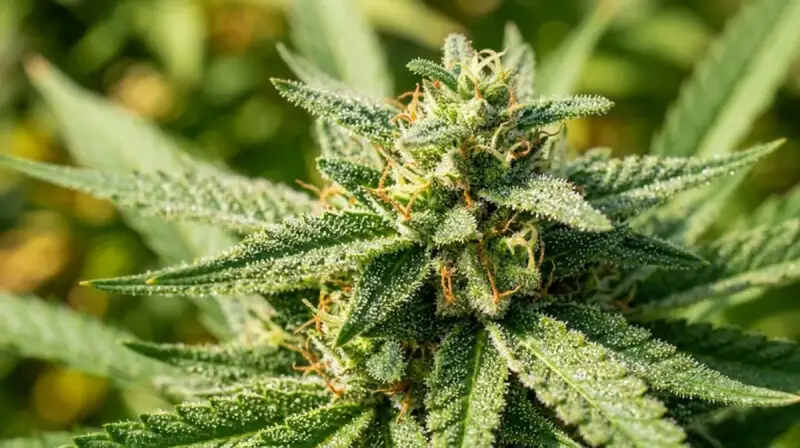
- Californian Orange is Dutch Passion’s version of the classic California Orange genetics, developed for European growing conditions and the Amsterdam coffee shop market in the 1980s–90s.
- Dutch Passion stabilized and commercialized the genetics for faster flowering (7–8 weeks vs. 8 weeks) and more consistent yields in European growing conditions.
- THC 16–19% with a balanced hybrid profile: citrus-forward flavor, happy-euphoric effects, mild physical relaxation — similar to California Orange but with Dutch Passion’s selection emphasis on yield consistency.
- Distinctive fresh orange peel aroma from high limonene content — one of the most distinctively scented Dutch genetics of its era.
- Very popular strain in 1980s–90s Amsterdam — helped define the Dutch coffee shop aesthetic of quality, named genetics, and consistent effects.
- Easy growing profile: compact, mold-resistant, short flowering — suitable for beginners in European or temperate climates.
- Important note: despite the similar name, Californian Orange (Dutch Passion) and California Orange from the US underground scene are distinct genetic lines — same inspiration, independently developed.
Overview & Genetics: Dutch Passion’s California Orange
Californian Orange represents a distinct chapter in cannabis history — the moment when California’s informal underground genetics crossed the Atlantic and were transformed into a commercial European product by one of Amsterdam’s pioneering seed banks. Dutch Passion, founded in 1987 and based in Amsterdam, acquired California Orange genetics from American sources and applied their breeding expertise to adapt them for European growing conditions.
The primary adaptation was flowering time. California’s Mediterranean climate and long growing season allow strains to finish in late October or November under natural light. European growers — particularly those in northern climates like the Netherlands, Germany, or the UK — needed a faster-finishing version that would complete before autumn rains and cold. Dutch Passion selected for 7–8 week flowering, shaving a week off the original California Orange timeline while preserving the essential character: the citrus aroma, balanced hybrid effects, and approachable potency.
The result became one of Dutch Passion’s signature strains and a fixture in Amsterdam coffee shops during the late 1980s and 1990s. Californian Orange helped establish the template for named, consistent cannabis genetics in the commercial market — a strain customers could request by name and receive reliable effects from. This reliability was genuinely novel in an era before cannabis quality standardization. The strain’s role in the Dutch coffee shop golden era gives it historical significance that extends beyond its horticultural profile.
It is worth noting the distinction clearly: California Orange (Cal-O) and Californian Orange are different products from different breeders, despite their shared genetic inspiration. Side-by-side comparison shows similar citrus terpene profiles but measurable differences in structure, yield, and flowering time that reflect the distinct selection pressures each line underwent.
Effects Profile
The effects of Californian Orange closely parallel those of its California counterpart — balanced hybrid happiness and euphoria followed by mild physical relaxation. Dutch Passion’s selection process did not fundamentally alter the effect character, though some users report the Dutch version as slightly smoother in onset. Explore our full effects guide for context on hybrid profiles.
| Effect | Intensity | Onset | Notes |
|---|---|---|---|
| Happiness | High | 5–10 min | Dominant throughout; warm sociable mood lift |
| Euphoria | Moderate–High | 5–15 min | Accessible, non-overwhelming euphoria |
| Relaxation | Moderate | 15–30 min | Mild body warmth; non-sedating at standard doses |
| Energy | Moderate | 5–15 min | Functional uplift without anxiety |
| Creativity | Moderate | 10–20 min | Light creative boost; good for casual work |
| Sedation | Low | 45–90 min | Minimal; generally non-sedating at standard doses |
Terpene Profile
The terpene profile of Californian Orange mirrors its California genetic origins closely, with limonene dominant and ocimene providing the characteristic fresh herbal citrus note that distinguishes orange-genetics strains from candy-sweet limonene expressions. Myrcene grounds the profile with earthy musk, and pinene adds mental clarity alongside its piney note.
| Terpene | Typical % | Aroma Note | Primary Effect |
|---|---|---|---|
| Limonene | 0.45% | Orange peel, fresh citrus | Mood elevation, stress reduction |
| Ocimene | 0.28% | Fresh, herbal, light sweet | Uplifting, decongestant properties |
| Myrcene | 0.20% | Earthy, musky, mango | Mild sedation, muscle relaxation |
| Alpha-Pinene | 0.15% | Pine, fresh forest | Mental clarity, bronchodilation |
| Terpinolene | 0.12% | Piney, floral, herbaceous | Uplifting, mildly sedative |
Flavor & Aroma
The aroma of Californian Orange is clean, fresh, and immediately inviting. The dominant impression is fresh orange peel — natural and bright rather than artificial or candy-sweet. This quality made it popular in Amsterdam coffee shops where the presentation and aroma of cannabis in the display case was a key part of the customer experience. Ocimene adds a herbal freshness that keeps the citrus grounded and prevents it from becoming one-dimensional.
On the palate, the flavor is smooth and pleasant with an orange-citrus lead on the inhale, transitioning to a mild sweetness on the mid-palate. The exhale is clean with a lingering citrus aftertaste. The flavor profile is less complex than modern elite strains but delivers genuine character — it was considered exceptional for its era and retains its appeal as a reference point for citrus-genetics cannabis.
Growing Guide
Dutch Passion designed Californian Orange for consistent performance in European growing conditions, which means it was optimized for reliability over maximum yield or potency. The result is a strain that performs predictably across a wide range of skill levels and environments. At 80–120 cm, it is among the more compact hybrids available — well-suited to small indoor grow spaces, tents, or discreet outdoor positions. Read the beginner growing guide and indoor basics for setup guidance.
| Parameter | Indoor | Outdoor |
|---|---|---|
| Difficulty | Easy | |
| Yield | 350–450 g/m² | 450–600 g/plant |
| Height | 80–120 cm | 100–150 cm |
| Flowering Time | 7–8 weeks | Late September–early October |
| Climate | Versatile; 18–26°C | Temperate; European-friendly |
| Mold Resistance | Good | Good |
| Training | Minimal required; responds to LST | Natural growth acceptable |
The 7–8 week flowering time is a genuine advantage for indoor growers running multiple cycles annually — the faster turnaround increases production efficiency without sacrificing the quality of the harvest. Nutrient requirements are moderate and straightforward. The plant does not demand precise environmental control, making it tolerant of beginner-level fluctuations in temperature, humidity, and feeding schedules.
Medical Uses
Californian Orange’s moderate THC, balanced profile, and limonene-dominant terpenes position it as a practical option for medical users seeking mood support and stress relief without the intensity of high-THC modern strains. The effect profile is particularly relevant for patients using cannabis during the daytime, where functionality must be maintained alongside therapeutic benefit.
Primary medical applications include stress management (the most commonly reported use), mild anxiety relief at low-to-moderate doses, and mood disorder support via the consistent happiness and euphoria in the effect profile. Appetite stimulation is a secondary effect at higher doses. Always consult a licensed healthcare provider before using cannabis medicinally.
Similar Strains
Californian Orange sits in a lineage alongside both its US counterpart and other Dutch-bred citrus hybrids from the same era. The strain comparison tool provides side-by-side analysis, and the full strain directory covers all related varieties.
| Strain | Type | THC | Shared Trait | Key Difference |
|---|---|---|---|---|
| California Orange | Hybrid | 14–18% | Orange genetics, citrus aroma | US underground origin; slightly lower THC |
| Orange Bud | Hybrid | 16–19% | Dutch-bred, orange-named, similar era | Different Dutch breeder; darker aroma profile |
| Tangie | Sativa | 19–22% | Citrus-dominant, limonene-high | More sativa, higher THC, modern breeding |
| Haze | Sativa | 18–22% | Dutch coffee shop heritage, California genetics | Sativa-dominant; longer flowering; piney-citrus |
| Tropicana Cookies | Hybrid | 20–25% | Orange citrus flavor, limonene-high | Modern elite genetics; much higher THC |