










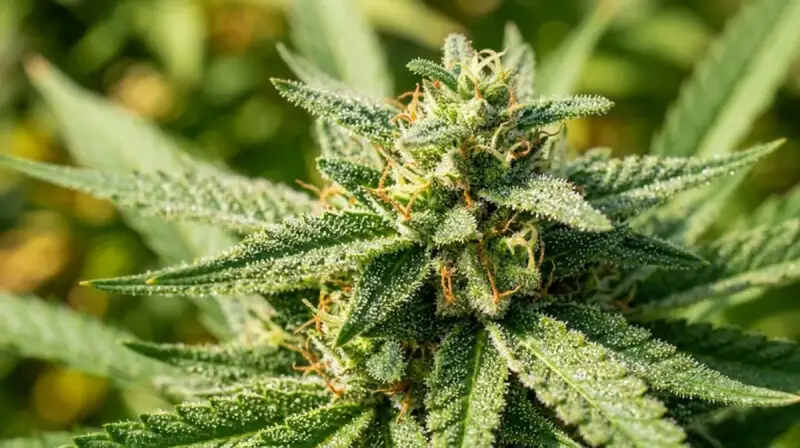
- Breeder: TGA Subcool Seeds (Subcool & MzJill)
- Genetics: Jack the Ripper × Orange Velvet
- Dominant Terpenes: Limonene, Myrcene, Caryophyllene, Terpinolene
- Primary Effects: Uplifting, creative, happy, sociable, mildly relaxing
- Best Use Case: Daytime creativity, social gatherings, mood elevation
- Reported Negatives: Dry mouth, dry eyes, occasional anxiety at high doses
- Indoor Yield: 400–500 g/m²
- Visual Trait: Dense amber-orange pistil coverage, heavy trichomes
What Is the Agent Orange Strain?
Agent Orange is a balanced hybrid — leaning slightly sativa — that has built a devoted following almost entirely on the strength of its extraordinary aroma. Crack a jar of well-grown Agent Orange and the room immediately fills with the sharp, candy-sweet scent of mandarin oranges and tropical citrus. The effects match the fragrance: bright, uplifting, and social without crossing into overwhelming racy territory.
With THC levels typically landing between 15% and 19%, it is powerful enough to satisfy experienced consumers while remaining approachable for those still building their tolerance. Agent Orange is frequently recommended for daytime use, creative projects, and social situations where you want cerebral elevation without heavy sedation. It has also attracted attention from medical cannabis patients seeking a mood-supportive option that doesn’t sacrifice functional clarity.
The strain’s name is a deliberate provocation — a nod to something aggressively overwhelming — and it stuck precisely because the orange aroma is so assertive and unmistakable that the comparison felt appropriate. TGA Subcool Seeds released it as a feminized seed product, which helped it spread into home gardens and commercial operations across North America and Europe throughout the 2010s. Despite TGA’s eventual closure, the strain’s cuts and seeds remain available through licensed seed banks, though phenotype quality can vary between sources.
Genetics & Breeding Background
Agent Orange was created by Subcool and MzJill of TGA Subcool Seeds, a California-based collective that became widely respected for producing terpene-rich, flavorful hybrids during the 2000s and early 2010s. The strain is a cross of two distinct parents, each contributing a clearly identifiable set of traits to the finished product.
Jack the Ripper, the paternal contributor, is itself a TGA original: a sativa-dominant hybrid descended from Jack Herer genetics that delivers fast flowering (by sativa standards), a sharp, spicy-citrus aroma, and an energetic, cerebral effect profile. Jack the Ripper was and remains one of TGA’s most celebrated releases, praised for its combination of potency and manageable growth characteristics. Its Jack Herer lineage traces back through Haze, Northern Lights #5, and Shiva Skunk — some of the most foundational genetics in modern cannabis breeding.
Orange Velvet, the maternal contributor, is a mostly indica variety with deep citrus genetics, prized specifically for the extraordinary orange terpene expression it passes to its offspring. Orange Velvet delivers the physical relaxation baseline, the full-spectrum citrus sweetness, and a visual character marked by vivid orange-amber pistils that give the finished buds their distinctive warm-toned coloring.
The pairing was intentional and well-calibrated: Orange Velvet provides the overwhelming citrus terpene expression and a relaxing physical foundation, while Jack the Ripper contributes cerebral lift, faster flowering time, and the resin production typical of Jack-family genetics. The result is a strain where neither parent fully dominates — each one’s strongest qualities emerge in the offspring. Explore related genetics in our full strain index and the terpene library for deeper reading on what drives the aroma.
Cannabinoid & Terpene Profile
Agent Orange consistently delivers a THC range of 15–19% in tested samples, with CBD typically below 1% and CBG occasionally registering at trace levels. It is not a high-CBD strain, so those seeking a balanced THC:CBD ratio should explore our full strain database. What makes Agent Orange genuinely interesting from a pharmacological standpoint is its terpene stack rather than raw cannabinoid numbers.
| Compound | Typical % | Aroma Note | Role & Effect |
|---|---|---|---|
| Limonene | 0.5–1.2% | Sweet orange, citrus zest | Mood elevation, anti-anxiety, stress relief |
| Myrcene | 0.3–0.8% | Earthy musk, herbal | Potentiates THC; body relaxation, sedation at high doses |
| Caryophyllene | 0.2–0.5% | Spicy, peppery, woody | CB2 receptor agonist; anti-inflammatory, stress modulation |
| Terpinolene | 0.1–0.3% | Floral, herbal, fresh | Mild uplifting effect; common in Jack-lineage strains |
| THC | 15–19% | — | Primary psychoactive; euphoria, appetite, pain modulation |
| CBD | <1% | — | Minimal; not a medicinal CBD source |
Limonene is the star of the Agent Orange terpene profile. Research suggests limonene elevates mood through serotonin and dopamine pathway modulation, and its high concentration here is almost certainly the reason so many consumers describe this strain as cheering and energizing rather than sedating. Myrcene, present at moderate levels, does its characteristic work of potentiating the THC experience — meaning the effective intensity can feel stronger than the percentage alone would predict. Caryophyllene’s direct interaction with CB2 receptors rounds the profile out with a mild anti-inflammatory dimension that may explain why some consumers find it useful for minor physical discomfort. Read our full guides on limonene and myrcene for deeper context.
Effects: A Three-Phase Breakdown
Understanding how Agent Orange moves through your system helps you use it intentionally. The experience is not monolithic — it evolves distinctly over roughly two to three hours. For broader context on how cannabinoids and terpenes shape effects over time, see our effects guide.
Phase 1 — Onset (0–20 Minutes): The Citrus Spark
The initial effects of Agent Orange arrive with notable speed for a hybrid, typically within five to ten minutes of inhalation. The first thing most consumers notice is a gentle but unmistakable pressure behind the eyes and across the forehead — not uncomfortable, but distinctly there — followed by a rapid brightening of mood. Thoughts begin to flow more freely, background mental noise quiets, and there is often a spontaneous urge to talk, laugh, or engage creatively. This phase is driven primarily by the limonene-THC synergy and the Jack the Ripper sativa heritage. New consumers should pace themselves here — the onset can feel deceptively gentle before the full peak arrives.
Phase 2 — Peak (20–90 Minutes): Creative Elevation
By the thirty-minute mark, Agent Orange reaches its full expression, and it is a genuinely pleasant plateau. The cerebral high is front-and-center: ideas connect in unexpected ways, conversation becomes effortless and animated, and tasks involving creative or lateral thinking feel unusually rewarding. Unlike some high-sativa strains that produce frantic, unfocused energy, Agent Orange maintains a degree of mental composure — you feel elevated but not overwhelmed, sociable but not compulsively talkative. The body contribution from Orange Velvet’s indica genetics provides a warm, low-level physical ease that prevents the experience from turning anxious or jittery for most consumers. This is the window where the strain shines most brightly for artistic work, collaborative sessions, or simply enjoying good company.
Phase 3 — Tail (90–180 Minutes): Soft Landing
As the high tapers after the ninety-minute mark, Agent Orange delivers one of its most appealing qualities: a smooth, graceful comedown. The cerebral intensity gradually softens into mellow contentment, with body relaxation becoming more prominent as the sativa edge recedes. Most consumers feel calm, slightly sleepy if already tired, and pleasantly appetite-stimulated. This is not a strain that typically leaves you couch-locked or foggy the following morning, which reinforces its reputation as a functional, daytime-friendly choice. The tail phase makes it suitable for use in the early evening without sacrificing the next day’s productivity.
Flavor & Aroma Deep Dive
If there is one thing that sets Agent Orange apart from the crowded hybrid market, it is the sheer intensity and authenticity of its citrus aroma. Where many “orange” or “citrus” strains deliver a subtle or one-dimensional fruit note, Agent Orange delivers the full sensory experience of peeling a ripe mandarin orange — sweet, tangy, slightly floral, with a bright acidity that hits the back of the nose.
On the inhale, the flavor is predominantly sweet and fruity with a lightly tropical character — think mandarin segments with hints of mango and pineapple. The midpoint of the draw introduces a faint earthy, herbal undertone courtesy of the myrcene and caryophyllene presence. On the exhale, a gentle spicy note emerges and lingers pleasantly on the palate. The overall flavor profile is clean, smooth, and genuinely enjoyable — one reason Agent Orange consistently appears on “best flavor” lists in cannabis enthusiast circles.
The aroma of the dry flower is even more pronounced than the smoke. Properly cured Agent Orange buds radiate a room-filling citrus sweetness that makes jar-opening a sensory event. The terpene expression is potent enough that some consumers report the scent alone triggers mood elevation — a plausible claim given what we know about limonene’s aromatic pathways and their effects on the limbic system.
Medical & Therapeutic Applications
Agent Orange has earned a solid reputation among medical cannabis patients, particularly those managing mood-related conditions. Its terpene-rich profile and moderate-to-strong THC content create a combination that many patients find genuinely supportive — though as with all cannabis use, individual responses vary significantly and professional medical guidance is always advisable before using cannabis therapeutically. See our medical cannabis overview for broader context.
Mood Disorders & Depression: The high limonene content is the primary driver of Agent Orange’s mood-supportive reputation. Limonene has been investigated for anxiolytic and antidepressant-adjacent properties in preclinical models, and the anecdotal evidence from consumer reports is consistent: Agent Orange reliably delivers an uplifting, mood-brightening experience. For patients managing mild-to-moderate depressive symptoms who want to maintain functional clarity, it is among the most commonly recommended daytime options.
Stress & Anxiety Relief: At moderate doses, Agent Orange’s balanced hybrid profile — mentally engaging without being overwhelming, physically relaxing without being sedating — makes it a popular choice for stress management. The caryophyllene component’s CB2 receptor activity may add an additional layer of physiological stress modulation. Important caveat: at high doses, the elevated THC can reverse these benefits and amplify anxiety, particularly in individuals with anxiety disorders or low tolerance. Dose carefully.
Pain & Inflammation: While not a high-CBD strain oriented primarily toward pain management, Agent Orange’s combination of THC (analgesic properties) and caryophyllene (anti-inflammatory via CB2) provides meaningful relief for mild-to-moderate chronic pain, headaches, and muscle tension. The uplifting effect overlay means patients can address physical discomfort without sacrificing mental engagement — a quality that distinguishes it from more heavily sedating indica-dominant pain strains.
Fatigue & Low Energy: The sativa heritage from Jack the Ripper makes Agent Orange a reasonable choice for patients dealing with fatigue or low motivation, provided they are not sensitive to THC-induced anxiety. The energizing, sociable quality of the early and peak phases can provide a functional lift that helps individuals engage with daily tasks they might otherwise struggle to motivate themselves for.
Appetite Stimulation: Like most THC-dominant strains, Agent Orange produces reliable appetite stimulation, particularly in the tail phase of the experience. This can be valuable for patients managing conditions that suppress appetite, though it is worth noting that the stimulation is generally milder than that produced by high-myrcene, heavy indica strains.
Growing Agent Orange: Complete Cultivation Guide
Agent Orange is a moderately demanding cultivar that rewards attentive growers with heavy, trichome-rich harvests and some of the most aromatic buds in any garden. It adapts well to both indoor and outdoor environments but performs best when growers respect its preference for controlled conditions and adequate feeding. Our full cannabis growing guide covers feeding schedules, training techniques, and pest management in greater depth.
Indoor Cultivation
Indoors, Agent Orange performs best in a controlled environment with temperatures maintained between 68–80°F (20–27°C) and relative humidity kept at 40–50% during the flowering phase to prevent mold and preserve terpene integrity. It responds well to both soil and hydroponic systems, though many experienced cultivators report that organic soil growing enhances the terpene expression and flavor complexity of the finished product.
The plant has a moderately vigorous vegetative phase and can grow quite tall for a hybrid if left unchecked. Training techniques including Screen of Green (SCROG), Low Stress Training (LST), and topping are all effective at managing height, opening the canopy, and maximizing yield. Expect 400–500 g/m² with optimal conditions and a flowering window of 8–9 weeks under a standard 12/12 light cycle. The buds develop substantial resin coverage in the final weeks — a 60–70% amber trichome target works well for the balanced effect profile most users prefer.
Outdoor Cultivation
Outdoors, Agent Orange thrives in Mediterranean-style climates with warm days, cool nights, and low ambient humidity during the flowering window. Plants can reach 5–7 feet tall in an unrestricted outdoor environment and produce generous harvests when given adequate root space. The harvest window typically falls in late September to mid-October in Northern Hemisphere grows. The strain’s Orange Velvet genetics contribute some natural resilience to minor fluctuations in temperature, but it is not particularly mold-resistant — growers in humid climates should monitor the dense buds carefully in the final weeks of flowering and consider preventative treatment if conditions become damp.
Feeding & Nutrients
Agent Orange is a moderate feeder with a particular appreciation for phosphorus and potassium during the bloom phase, which supports the heavy resin and bud density that define a premium harvest. Nitrogen should be gradually reduced from week 3 of flowering onward to avoid leaf burn and allow the plant to channel energy into trichome and terpene production. Cal-Mag supplementation is valuable in both soil and hydroponic systems, and many growers report that adding silica during veg builds structural strength that prevents the heavy, resin-laden buds from snapping branches in late flower.
Harvest & Curing
Proper curing is non-negotiable with Agent Orange. The strain’s extraordinary terpene expression can be severely diminished by rushed or improperly executed curing. A slow dry at 60–65°F with 55–60% humidity over 10–14 days, followed by a jar cure with daily burping for the first two weeks and weekly burping for at least another month, produces the full aromatic potential the genetics are capable of. Rushed drying at high temperatures causes terpene volatilization that strips the distinctive orange character — resulting in a product that smells and tastes like a generic hybrid rather than the standout it should be.
Consumption Methods & Dosing
Agent Orange’s terpene-forward profile makes it an excellent candidate for consumption methods that preserve volatiles. Vaporization at 170–185°C (338–365°F) allows consumers to experience the full spectrum of limonene, myrcene, and caryophyllene expression before the higher-temperature combustion products arrive. Many experienced users prefer a two-temperature approach: a lower setting for the first few draws to harvest terpenes and flavor, then a higher setting to extract remaining cannabinoids.
For flower smoking, a clean glass piece or high-quality rolling papers preserve more of the flavor character than metal pipes or heavily flavored wraps. The strain’s smooth, clean smoke is one of its selling points — allowing it to be enjoyed slowly and at a relaxed pace rather than racing through a session to get past harsh smoke.
Edibles using Agent Orange trim or material will carry the citrus terpene character into the infused product, making it a natural fit for citrus-forward culinary applications — lemon desserts, orange-glazed dishes, and tropical fruit preparations all complement the strain’s inherent flavor profile. Allow 60–90 minutes for edible onset and dose conservatively, particularly given that the relaxing and potentially sedating qualities of myrcene are amplified through the oral route and longer duration.
Beginner dosing guideline: One inhalation, wait 15 minutes. Assess effect before continuing. The moderate THC range is approachable but not trivial — the difference between a pleasant, uplifting experience and an anxious one is often just one or two draws too many for a first-time or low-tolerance consumer.
Similar Strains to Agent Orange
Placing Agent Orange in context helps you determine whether it’s the right choice for your needs. The table below compares it against five strains with meaningful overlap in effects, genetics, or aroma profile.
| Strain | Type | THC | Key Aroma | Best For |
|---|---|---|---|---|
| Agent Orange | Hybrid | 15–19% | Sweet orange, tropical citrus | Creativity, mood, social daytime use |
| Tangie | Sativa-dominant | 19–22% | Tangerine, tropical citrus | Daytime energy, creative focus |
| Jack Herer | Sativa-dominant | 18–23% | Pine, spice, herbal | Focus, energy, daytime productivity |
| Orange Crush | Hybrid | 15–20% | Sweet orange, creamy citrus | Mood uplift, mild relaxation |
| Chocolope | Sativa-dominant | 18–21% | Chocolate, coffee, earthy | Euphoria, creative energy |
| Golden Goat | Hybrid | 16–23% | Tropical, spicy, citrus | Mood, social settings, afternoon use |
The key differentiator for Agent Orange is the combination of genuinely uplifting sativa effects with an approachable THC ceiling and a terpene profile that makes every aspect of the experience more pleasant. Consumers who want more sativa intensity should consider Tangie or Jack Herer. Consumers who want a more relaxing body component should explore indica-dominant options in the same citrus flavor family.