










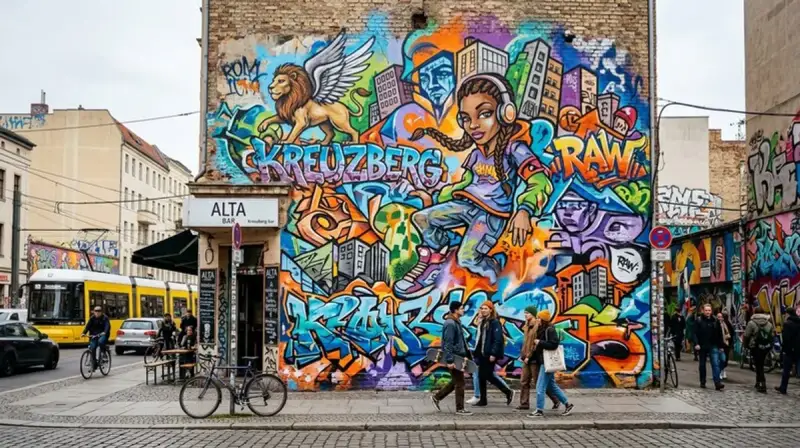
Midnight in Berlin: A New Legal Era Begins
Published April 1, 2024 — By Ann Karim, Senior Cannabis Editor
- Phase 1 effective April 1, 2024 — adults 18+ may possess up to 25g publicly
- Home storage limit of 50g and 3 plants authorized
- Cannabis social clubs (Anbauvereinigungen) licensed to supply members
- Commercial retail shops NOT yet open — Phase 2 pilots delayed
- Berlin saw public celebrations in Gorli (Goerlitzer Park) at midnight
- Police confirmed they would not proactively search for legal quantities
What Actually Changed at Midnight on April 1
When the clock struck midnight on April 1, 2024, Germany became the largest European nation ever to legalize cannabis possession for adults. Across Berlin, Munich, Hamburg, and Frankfurt, small gatherings of cannabis users publicly celebrated by consuming cannabis — legally, for the first time in modern German history. In Berlin’s Goerlitzer Park, long notorious as an outdoor cannabis market, dozens of people gathered to mark the moment. The scene was simultaneously historic and mundane: people doing what they had always done, just without the fear of arrest. Under Phase 1 of the Cannabis Act, adults 18 and older could now legally possess up to 25 grams of cannabis in public spaces, store up to 50 grams at home, and cultivate up to three plants. The Germany cannabis guide covers all current rules in detail. What remained unchanged was the commercial supply chain: no licensed retail shops were open. Phase 2 commercial pilots, originally envisioned to follow quickly, had been delayed by ongoing EU negotiations. The only legal supply route available to most people on Day One was either growing their own or joining a licensed cannabis social club — most of which were still in the application process.
“For the first time in my life, I can sit in a park in my own country and smoke cannabis without being afraid. This is what normal feels like.” — Berlin resident, April 1, 2024
Police Reactions and the Day-One Reality Check
German police forces issued guidance confirming that officers would not proactively stop or search individuals merely suspected of possessing legal quantities of cannabis. The pragmatic response defused concerns about ongoing harassment. However, some edge cases immediately became clear: consuming cannabis within 100 meters of schools, playgrounds, or sports facilities remained prohibited, as did driving under the influence. Youth protection provisions were strict — sharing or selling cannabis to anyone under 18 carried serious penalties, and consumers under 21 faced lower monthly supply limits through social clubs. Across Germany, cannabis consumer organizations reported that the transition was largely smooth, with police demonstrating professionalism and restraint. Compare this to the early days of legalization in Canada, where enforcement inconsistencies in the first weeks created confusion. The Berlin social club scene was energized, with dozens of applications filed in the weeks surrounding Day One, though actual club operations took months to license fully.
Phase 2 Delays: The Commercial Retail Question
The absence of legal retail shops on Day One was the most significant gap between the law’s ambition and its immediate reality. The coalition government had envisioned regional pilot programs for licensed cannabis shops, but the European Commission’s cautious response to Germany’s rescheduling request and internal coalition politics pushed Phase 2 timelines back repeatedly. Cannabis industry associations estimated that the delay cost the legal sector hundreds of millions of euros in foregone revenue and left consumers with no straightforward purchasing option, effectively sustaining demand for grey-market sources. The government maintained that Phase 2 was coming and that the social club model was a meaningful interim step. For observers watching from Amsterdam’s coffeeshop scene or Barcelona’s cannabis clubs, the German situation looked like a half-finished project — impressive in its legal ambition, constrained in its practical execution. The cannabis laws database tracks Phase 2 developments as they unfold.
What Germany’s Day One Means for European Cannabis
Despite the supply gaps, April 1, 2024 will be recorded as a genuine milestone in European drug policy history. For the 83 million residents of Germany, the psychological shift was immediate: a behavior practiced by millions was no longer a crime. For the rest of Europe, Germany’s transition demonstrated that a major EU member state could legalize cannabis without catastrophic social consequences — a practical rebuttal to conservative reform opponents in France, Poland, and Italy. Reform movements across the continent pointed to Germany as proof that the political risk of legalization was manageable. For cannabis tourism, the medium-term picture was tantalizing: a legally tolerant Berlin with eventually licensed retail could compete with Amsterdam as a destination. Our cannabis travel guide covers the full European landscape for travelers planning trips. The question was no longer whether Germany’s model would influence its neighbors, but how quickly. Use the drug test calculator before traveling to Germany if you have workplace testing concerns.