









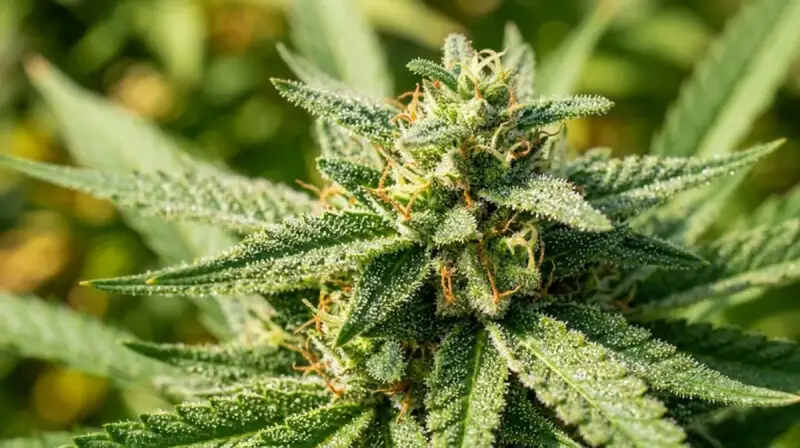
Best Outdoor Cannabis Strains: The Definitive 2025 Expert Guide
ZenWeedGuide Editorial Team |
Updated June 2025 | By the ZenWeedGuide Editorial Team | 10 min read
- Outdoor cannabis cultivation is legal for adults in more than 24 US states, though plant limits and rules vary widely.
- The best outdoor strains combine mold resistance, climate adaptability, high yields, and strong terpene profiles.
- Photoperiod strains can yield 500–800+ grams per plant outdoors; autoflowers average 100–300g but finish faster.
- Sun-grown cannabis contains a broader terpene spectrum than most indoor flower due to full-spectrum UV exposure.
- Selecting the right strain for your climate is the single biggest factor in outdoor grow success, experts say.
- Sativa-dominant strains thrive in warm southern climates; indica-heavy cultivars are better suited to shorter northern seasons.
- New autoflowering genetics have closed the yield gap with photoperiod strains, making them viable for commercial outdoor grows.
Background: Why Outdoor Growing Is Having a Renaissance
Cannabis has been cultivated outdoors for thousands of years. Long before grow lights and climate-controlled rooms, human beings selectively bred cannabis plants under open skies across Central Asia, South Asia, and eventually the Americas. The landrace strains that form the genetic backbone of today's modern cultivars — Afghani, Durban Poison, Colombian Gold, Thai — were all developed by sun, soil, and seasonal rhythms.
The modern prohibition era in the US, which escalated after the Controlled Substances Act of 1970, pushed cannabis cultivation underground and, eventually, indoors. Indoor growing offered stealth and year-round harvests, but at enormous energy costs. According to a 2021 study published in Nature Sustainability, indoor cannabis production in the US generates up to 16 million metric tons of CO₂ equivalent per year. That environmental math has pushed both growers and policymakers to reconsider outdoor and greenhouse cultivation as more sustainable alternatives.
Today, with legal adult-use cannabis programs operating in more than two dozen states, outdoor growing is not just legal in many jurisdictions — it is increasingly encouraged. States like Oregon, California, and Washington have built robust regulatory frameworks for licensed outdoor operations, and home growers in many states are permitted to cultivate a small number of plants for personal use. Understanding which strains perform best outside is no longer just hobbyist knowledge — it is economically and environmentally significant information.
The resurgence of interest in sun-grown cannabis is also being driven by consumer demand. Connoisseurs increasingly value the complex terpene profiles that outdoor plants develop in response to natural stressors like wind, UV radiation, and temperature variation. This phenomenon, sometimes called "terroir" (borrowed from the wine world), gives outdoor flower a distinct character that many consumers prefer over indoor equivalents.
Key Developments: Milestones in Outdoor Cannabis Cultivation
The evolution of outdoor cannabis genetics and legalization has followed a winding, decades-long path. The table below tracks the most important milestones that have shaped today's outdoor growing landscape.
| Year | Milestone | Significance for Outdoor Growers |
|---|---|---|
| 1970 | US Controlled Substances Act classifies cannabis Schedule I | Pushed cultivation indoors; devastated outdoor landrace breeding programs in the US |
| 1980s | Seed banks establish in Netherlands & UK | Preserved and distributed global landrace genetics; laid groundwork for modern strain diversity |
| 1994 | Ruderalis-based autoflower genetics first commercialized | Opened outdoor growing to northern climates with short summers |
| 1996 | California passes Prop 215 (medical) | First legal framework for outdoor medical cultivation in the US |
| 2012 | Colorado & Washington legalize adult-use cannabis | Commercial outdoor grows become legally viable; triggers nationwide strain development race |
| 2016 | Oregon, Nevada, California, Massachusetts legalize adult-use | Expands legal outdoor cultivation geography dramatically; stimulates sun-grown market |
| 2019 | 2018 Farm Bill takes effect; hemp outdoor cultivation booms | CBD-rich outdoor strains mainstream; cross-pollination risk prompts new growing protocols |
| 2021 | Nature Sustainability study highlights indoor energy costs | Accelerates industry pivot toward outdoor and greenhouse production |
| 2023–24 | Minnesota, Delaware, Ohio legalize adult-use | New markets with distinct climates demand regionally adapted outdoor strain recommendations |
| 2025 | 24+ states with some form of legal home cultivation | Consumer demand for outdoor strain guides reaches all-time high |

Impact on Consumers: Which Strains Should You Actually Grow?
For the everyday cannabis consumer who has the legal right to grow at home, the sheer number of available cultivars can be overwhelming. The practical question is simple: which strains will actually thrive in your backyard, balcony, or garden plot? The answer depends on three variables — your climate zone, your experience level, and what you want from the final product.
The table below summarizes our expert picks across categories, with key growing data consumers need to make informed decisions. All strain profiles are available in our database for deeper research.
| Strain | Type | Avg THC | Yield/Plant | Flowering Time | Best Climate | Difficulty |
|---|---|---|---|---|---|---|
| Blue Dream | Hybrid (Sativa-dom) | 17–24% | 500–600g | 9–10 weeks | Temperate, Mediterranean | Beginner |
| Durban Poison | Sativa (Landrace) | 15–20% | 450–550g | 8–9 weeks | Warm, dry climates | Beginner |
| Gorilla Glue #4 | Hybrid | 25–30% | 600–800g | 9–10 weeks | Warm, temperate | Intermediate |
| Critical Mass | Indica-dominant | 18–22% | 500–700g | 7–8 weeks | Most US climates | Beginner |
| OG Kush | Hybrid (Indica-dom) | 20–26% | 400–500g | 8–9 weeks | Warm, low-humidity | Intermediate |
| Auto Blueberry | Autoflower Indica | 14–18% | 150–250g | 70–75 days (auto) | All climates incl. northern | Beginner |
| Sour Diesel | Sativa-dominant | 19–25% | 450–550g | 10–11 weeks | Long-season, warm | Intermediate |
| Purple Punch | Indica-dominant | 18–22% | 400–500g | 8 weeks | Temperate, cooler nights | Beginner–Intermediate |
For consumers in northern states like Minnesota, Michigan, or Maine, autoflowering strains are often the smartest choice because they flower based on age rather than light cycles, allowing harvests before the first frost. Growers in California, Nevada, Arizona, and other warm-climate states have more flexibility and can explore high-potency photoperiod giants like Gorilla Glue #4 or Sour Diesel that need long, warm seasons to reach their full potential.
It is also worth noting that the terpene profile of a strain — not just its THC percentage — determines much of the user experience. Outdoor-grown cannabis tends to exhibit richer terpene expression than its indoor-grown counterpart, meaning consumers who grow their own may actually get a more nuanced product than what they buy at the dispensary. Myrcene-heavy strains like Blue Dream and OG Kush are known for relaxing effects, while terpinolene-dominant strains like Durban Poison lean more energetic and cerebral. Our terpene guide explains these differences in detail.
Industry Perspective: The Business of Sun-Grown Cannabis

From a business standpoint, outdoor cannabis cultivation is the most cost-efficient production method available. The Natural Resources Defense Council (NRDC) estimates that outdoor production uses approximately 90% less electricity than equivalent indoor operations. For licensed producers, that translates directly to lower cost-of-goods and higher margins — a significant competitive advantage as cannabis prices continue to compress in mature markets like Oregon and California.
The outdoor cannabis market is projected to reach $4.1 billion in the US by 2026, driven by growing consumer acceptance of sun-grown flower, expanding state legalization, and a broader cultural shift toward sustainable agriculture. Brands like Lowell Herb Co. in California have built premium positioning specifically around outdoor, organic sun-grown cannabis, demonstrating that the sector can command retail premiums rather than race to the bottom on price.