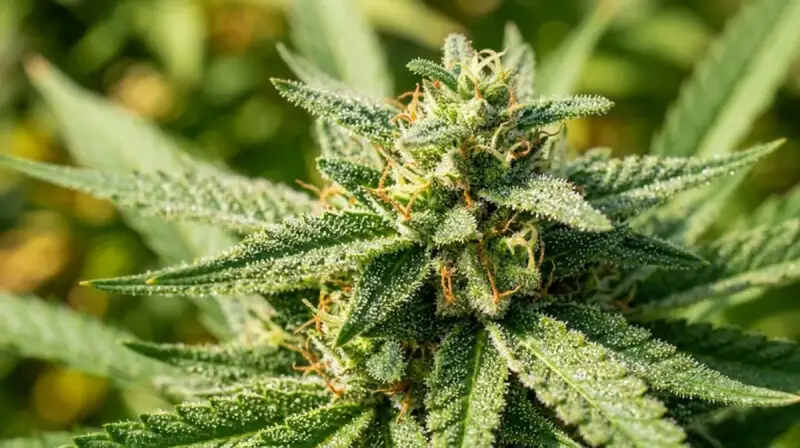
Best Cannabis Strains for Beginners: Low-Anxiety Picks
The complete beginner’s guide to choosing your first cannabis strain: what makes a strain safe and approachable, the top 10 low-anxiety picks ranked with data, and how to start low and go slow correctly.
Key Facts for First-Time Users
Beginner strains: under 15% THC, ideally with 5%+ CBD
Avoid: strains above 20% THC, pure concentrates, and edibles on your first try
Start: 1 small puff → wait 15 minutes → decide whether to continue
Edibles: start at 2.5 mg THC, wait 2 hours before any re-dose
Set: familiar, comfortable environment with trusted people
If you feel anxious: CBD, black pepper, cold water, lie down, breathe — it passes
What Makes a Cannabis Strain Beginner-Friendly?
The ideal beginner cannabis strain achieves a delicate balance: engaging enough to provide a clear, positive experience, but forgiving enough to prevent the anxiety, paranoia, and overwhelming intoxication that send many first-time users running. Several factors determine how beginner-friendly a strain is:
1. Lower THC Content
THC dose is the primary predictor of adverse experiences for new users. Strains under 15% THC provide meaningful psychoactive effects without the high-stimulation overwhelm of 25%+ cultivars. A cannabis-naive person has fully sensitive CB1 receptors with no prior exposure — even moderate THC hits harder than it will after a few sessions. Starting under 15% THC gives a clear window of experience that helps you understand your personal response baseline.
2. Higher CBD Content
CBD modulates THC’s effects at CB1 receptors, reducing the likelihood of anxiety and widening the therapeutic window. A strain with 10% THC and 10% CBD (1:1 ratio) will feel less intense and more manageable than a 10% THC strain with minimal CBD. Strains like Harlequin (5:2 CBD:THC ratio) and ACDC (20:1 CBD:THC) offer the most protection against adverse effects.
3. Calming Terpene Profile
Terpenes dramatically shape the qualitative character of the cannabis experience. For beginners, look for:
Linalool: The dominant terpene in lavender. Clinically documented anxiolytic effects. Found in LA Confidential, Amnesia Haze, and several CBD strains.
Myrcene: Earthy, herbal. Sedating rather than stimulating. Reduces the “racy” quality of high-THC sativas. Found in Blue Dream, Granddaddy Purple, OG Kush.
Beta-caryophyllene: Spicy, peppery. Acts on CB2 receptors as an anti-anxiety agent. Found in GSC, OG Kush, Bubba Kush.
Terpenes to approach with more caution for beginners: high terpinolene (energizing, can cause racing thoughts), high ocimene (stimulating), very high limonene without myrcene buffer (can amplify stimulation).
Clear-headed, mild uplift, very little psychoactivity
Excellent
ACDC
1–6%
16–22%
Myrcene, Pinene, Caryophyllene
Near-zero psychoactivity, calming, CBD-forward
Excellent
Blue Dream
17–22%
0–2%
Myrcene, Caryophyllene, Pinene
Gentle euphoria, balanced, forgiving onset
Very Good
Cannatonic
7–12%
10–14%
Myrcene, Caryophyllene, Pinene
Calm, mild relaxation, minimal intoxication
Excellent
Pennywise
8–12%
8–12%
Myrcene, Caryophyllene, Pinene
Balanced 1:1 ratio, gentle onset, manageable
Very Good
Sour Tsunami
8–10%
11–13%
Myrcene, Caryophyllene, Terpinolene
Mild uplift, anxiety reduction, pain relief
Excellent
Charlotte’s Web
<0.3%
13–17%
Myrcene, Caryophyllene, Pinene
Zero psychoactivity, calm focus, hemp CBD
Excellent (CBD only)
Jack Herer
15–18%
0–1%
Terpinolene, Ocimene, Myrcene
Uplifting, moderate stimulation, pine-citrus
Good (low terpinolene)
Granddaddy Purple
14–20%
0–1%
Myrcene, Linalool, Caryophyllene
Deeply relaxing, body-focused, grape aroma
Very Good (evening)
Northern Lights
16–21%
0–1%
Myrcene, Caryophyllene, Limonene
Calm sedation, minimal mental activity, reliable
Very Good (evening)
Start Low, Go Slow: The Golden Rule
The single most important principle for beginners is “start low, go slow.” This applies to both dose and pace. Starting with the minimum effective dose protects against overwhelming experiences and allows you to build a clear internal map of your personal response to cannabis.
For inhalation: take one single small puff. Wait 10–15 minutes. Assess: how do you feel? Is the effect comfortable and manageable? If yes, you can consider a second puff. If the first puff already feels significant, stop and enjoy the experience at that level. Your first several sessions should be about exploration, not intensity.
For edibles: start with 2.5 mg THC — half of a standard 5 mg edible. This is genuinely low, and many first-time users feel disappointed that “nothing happened” at this dose. Wait the full 2 hours before concluding nothing has happened. If 2.5 mg produces no noticeable effect after 2 hours, you may try 5 mg the following session — not the same night.
The most common reason beginners have bad first experiences: impatience with edibles and re-dosing before the first dose has peaked. The result is two doses arriving simultaneously — one while already significantly intoxicated — leading to an overwhelming experience.
Consumption Method Recommendations for Beginners
Method
Beginner Suitability
Why
Starting Recommendation
Vaporizing flower
Best
Fast onset enables titration; no combustion byproducts
1 small puff, 160–170°C, wait 15 min
Smoking flower
Good
Fast onset; inhaling combustion products is less ideal
Very high THC (60–90%), extremely easy to overdose
Not recommended until experience is established
Topicals
Safe (no high)
No systemic effects; localized anti-inflammatory only
Can use freely; no psychoactivity risk
Set and Setting for Beginners
The “set and setting” framework — your mindset and your environment — has a profound influence on the cannabis experience, especially for first-time users whose CB1 receptors have no prior calibration. Optimal conditions for a first experience:
Location: Private home, familiar space, no strangers present
Company: 1–2 trusted friends who know you’re a beginner; ideally at least one who has cannabis experience
Time: A free evening with no obligations the next morning
Mental state: Not during a period of high stress, grief, or emotional instability
Preparation: Have water, CBD products, snacks, and comfortable music available
No obligations: No driving, no important decisions, no work calls planned
If Things Feel Too Intense
If you feel overwhelmed during your first cannabis experience, the most important thing to remember: you cannot die from cannabis. It will pass. Most adverse reactions to cannabis in healthy adults are temporary and resolve within 1–3 hours for inhalation, or 4–8 hours for edibles.
Immediate actions: move to a comfortable, quiet space. Lie down if standing feels difficult. Drink cold water slowly. Try black pepper (chew 2–3 peppercorns — the caryophyllene may help). Take CBD if available. Focus on slow, deep breathing. Text or tell someone you trust that you need support — having a calm presence nearby is one of the most effective interventions.
AK
Ann Karim
Cannabis Science & Wellness Writer — ZenWeedGuide
Ann specializes in harm-reduction cannabis education, helping new users navigate their first experiences with science-backed guidance and zero judgment.
Frequently Asked Questions
What makes a cannabis strain beginner-friendly?
A beginner-friendly strain typically has lower THC (under 15%), higher CBD content to buffer anxiety, and calming terpenes like linalool, myrcene, or caryophyllene. It should produce manageable, predictable effects without overwhelming psychoactivity.
What is the best cannabis strain for someone who gets anxious?
ACDC (20:1 CBD:THC), Harlequin (5:2 CBD:THC), Cannatonic, and Charlotte’s Web produce little to no psychoactivity while delivering CBD’s anxiolytic effects. If some psychoactivity is desired, Sour Tsunami and Pennywise both contain meaningful CBD alongside moderate THC.
Should beginners smoke, vape, or try edibles first?
Vaping flower at low temperature is recommended over edibles for beginners. Fast onset (2–10 minutes) allows easy titration — take one puff, wait 15 minutes, assess. Edibles have slow, unpredictable onset and risk overwhelming effects from impatient re-dosing. If edibles are preferred, start with 2.5 mg THC and wait at least 2 hours.
How much THC is safe for a first-time cannabis user?
For inhalation: one small puff from a strain under 15% THC. For edibles: 2.5 mg THC. The goal is finding your minimum effective dose — the lowest amount producing a comfortable, noticeable effect. Never re-dose before the onset window has elapsed.
Share:
ZW
ZenWeedGuide Editorial
Reviewed by our editorial team — cannabis researchers, policy analysts, and medical writers with expertise across clinical research, dispensary operations, and US cannabis law. Content is fact-checked and updated regularly.