Cannabis Flavor Guide: Terpenes, Terroir, Curing, and How to Really Taste Cannabis
Cannabis flavor is as complex as fine wine. 200+ terpenes, terroir-influenced profiles, curing chemistry, and temperature-dependent vaporisation all shape what you taste. This guide maps it all.
Senior Cannabis Editor at ZenWeedGuide. Specialist in cannabis pharmacology, the endocannabinoid system, and evidence-based effect guides.
Last reviewed: May 2026
KEY FACTS
200+ terpenes: Cannabis produces over 200 identified terpene compounds; 3–5 dominant terpenes define each cultivar’s flavor signature
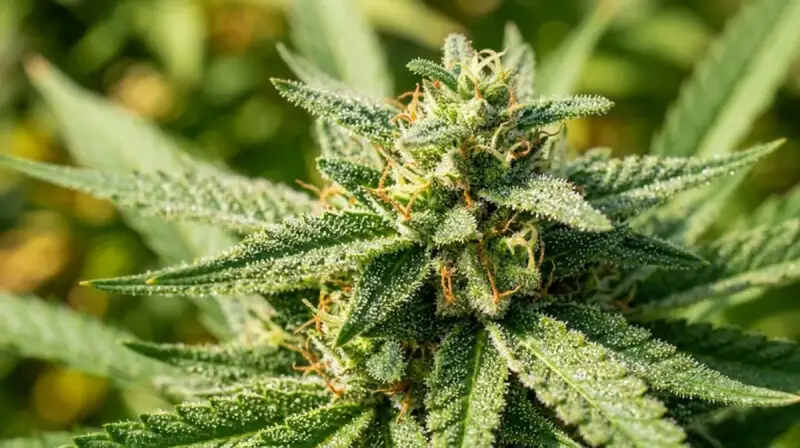
Terpene location: Terpenes are produced and stored in the same capitate-stalked trichomes as THC and CBD — not in the leaf or stem
Temperature sensitivity: Most flavor terpenes boil at 155–185°C; combustion at 230°C+ destroys the majority of terpenes before inhalation
Curing impact: Proper 4–8 week curing at 60–65% RH develops complex flavor compounds through enzymatic breakdown of chlorophyll and sugar conversion
Terroir: The same genetic cultivar grown in different soil, altitude, and climate conditions produces measurably different terpene profiles
Retronasal perception: Most cannabis “flavor” is experienced via retronasal olfaction (smell perceived from inside the mouth) not taste receptors — the tongue detects only basic tastes
Entourage: Terpenes modulate the endocannabinoid effect via direct receptor activity, not just flavor — flavor is pharmacologically relevant
The Science of Cannabis Flavor
Cannabis flavor is primarily terpene-driven but involves a complex mixture of aromatic compound classes. Understanding each class helps explain why different products taste so differently even at similar THC concentrations.
Terpenes are the dominant flavor drivers — aromatic hydrocarbons synthesised in the same glandular trichomes as cannabinoids. Over 200 terpenes have been identified across cannabis cultivars. The 3–5 dominant terpenes in any given cultivar account for the majority of its characteristic aroma and flavor.
Flavonoids contribute colour-related pigmentation (cannaflavins A, B, and C are cannabis-specific) and also produce subtle bitter, astringent, and earthy notes in the taste profile. Some flavonoids are also pharmacologically active and may contribute to the entourage effect.
Esters produce fruity notes (ethyl acetate = sweet fruit; isoamyl acetate = banana-adjacent). Several cannabis cultivars bred for fruit-forward flavor profiles are particularly ester-rich.
Thiols and sulfur compounds are responsible for the distinctive pungent, skunky, garlic, or savory notes in some cultivars. A 2021 study by Oswald et al. identified 3-methyl-2-butene-1-thiol and other volatile sulfur compounds as the primary drivers of the “skunk” aroma associated with certain cannabis strains. These occur at extremely low concentrations but are detectable by the human nose at parts-per-trillion.
The perception of “flavor” during cannabis consumption is also dominated by retronasal olfaction: smell signals traveling from the mouth and throat upward through the nasopharynx to the olfactory epithelium. This is why blocking your nose while consuming cannabis dramatically flattens the flavor experience — most of what we call “taste” in cannabis is actually smell.
Cannabis Terroir: How Growing Conditions Shape Flavor
The concept of terroir — borrowed from wine and coffee — is scientifically valid in cannabis. The same genetic cultivar grown in different environments produces measurably different terpene profiles. This is not merely anecdote: controlled studies growing identical clones in varying conditions have documented significant terpene ratio changes.
Key terroir factors and their flavor effects:
Soil mineral composition: Phosphorus-rich soils promote terpene synthesis via the MVA pathway. Excess nitrogen suppresses terpene production. Calcium and magnesium support enzyme activity in the terpene synthesis cascade. Organic soil with high microbial diversity produces more complex terpene profiles than hydroponic systems, likely through mycorrhizal and microbiome interactions with root systems.
Light spectrum: UV-B light exposure increases terpene and cannabinoid production as a plant stress response. Outdoor sun-grown cannabis exposed to full-spectrum light including UV-B consistently shows higher terpene density than indoor HPS-grown equivalents, even from the same genetic.
Temperature variation (diurnal swing): Large day-night temperature variation (10–15°C) during the flowering phase stresses the plant into higher terpene production. This is why mountain-grown and outdoor autumn cannabis often has particularly complex aromatics.
Altitude: Higher altitude increases UV exposure and temperature variation simultaneously. Several high-altitude cannabis landrace varieties from Hindu Kush, Himalayan foothills, and Oaxacan highland regions show notably high terpene densities.
Water quality: pH and mineral content of irrigation water affects nutrient uptake and enzymatic activity. Pure RO water with pH-adjusted minerals produces different results than natural spring water with varied mineral profiles.
Harvest timing: Terpene profiles shift significantly across the last 2–4 weeks of flowering. Early harvest preserves lighter, more volatile citrus and pine terpenes; late harvest allows more complex oxidised terpenes and myrcene to dominate.
Curing: The Flavor Development Process
Curing is the controlled post-harvest drying and aging process that transforms freshly dried cannabis into the complex, smooth product consumers experience. It is analogous to aging wine, fermenting tea, or ripening cheese — a biochemical development phase where desirable flavors emerge and undesirable compounds degrade.
The Curing Chemistry
Chlorophyll breakdown: Freshly dried cannabis retains chlorophyll, which produces harsh, grassy, vegetable-like taste. During curing, enzymatic processes break down chlorophyll, removing this harshness and allowing the terpene profile to express clearly.
Sugar conversion: Simple sugars in the plant tissue are converted by enzymatic processes during curing, reducing the harshness associated with sugar combustion and developing complex aromatic precursor compounds.
Terpene maturation: Less stable terpenes oxidise during early curing, while more complex sesquiterpenes and terpenoids develop. The terpene profile at week 6 of a proper cure is measurably more complex than at week 1.
Aerobic respiration: Plant cells remain alive during early curing and continue metabolic processes including terpene synthesis. Maintaining appropriate oxygen levels through periodic burping of curing containers (opening and resealing to allow gas exchange) supports this process.
Optimal Curing Parameters
Parameter
Optimal Range
Effect if Wrong
Relative Humidity
60–65%
Too dry: terpene loss, harsh; too wet: mould risk
Temperature
15–21°C (60–70°F)
Too warm: terpene evaporation, faster degradation
Light exposure
Dark or very dim
UV/light degrades THC and terpenes
Container
Glass, airtight (e.g. mason jars)
Plastic leaches flavor; UV glass provides some protection
No burping: CO2 buildup, anaerobic conditions, off-flavors
Vaporizer Temperature and Flavor
Vaporizers allow precise temperature control that unlocks different terpene compounds sequentially. Since each terpene has a distinct boiling point, low temperatures vaporise the most volatile (and often lightest/citrus) terpenes first; higher temperatures release heavier, more complex compounds.
Temperature Range
Active Compounds
Flavor Notes
Effect
160–175°C
Humulene, ocimene, myrcene, alpha-pinene
Light, herbal, piney, citrus
Light, clear-headed; low vapor density
175–185°C
Limonene, terpinolene, beta-pinene, THC onset
Citrus, sweet, floral
Peak flavor; balanced vapor; recommended start
185–200°C
CBD, CBN onset; caryophyllene; linalool
Spicy, floral, heavier
Fuller effect; more vapor; flavor starts complexifying
200–215°C
CBN, CBC; borneol; phytol; high-boiling terpenes
Deep, earthy, woody; some harshness
Maximum cannabinoid extraction; diminishing flavor quality
>230°C
Combustion products; benzene; CO
Acrid, charred, harsh
Avoid: combustion destroys terpenes and produces harmful byproducts
How to Taste Cannabis Properly
Appreciating cannabis flavor is a learnable sensory skill. These techniques are adapted from wine and tea tasting methodology:
Assess dry aroma first: Before any consumption, break a small amount of flower and inhale the dry aroma. Note the primary smell categories: citrus, pine, earth, floral, spice, fuel, fruit. This gives you the raw terpene profile before heat transformation.
First draw: low temperature: Start at 160–165°C on a vaporizer. Take a slow, gentle draw. Hold briefly. Exhale slowly through your nose. Note the first flavors that appear — these are the most volatile, delicate terpenes.
Step up temperature: Increase to 175–180°C for the second draw. Compare the flavor profile. Note what emerged that was not present at lower temperature.
Retronasal breathing: After exhaling, close your mouth and breathe gently through your nose. This is the retronasal olfaction technique — it captures the most nuanced aromatic notes as vapor traces move from throat to olfactory epithelium.
Flavor vocabulary development: Use the terpene table above to connect what you smell and taste to specific compounds. “This has a strong citrus note” translates to “likely limonene-dominant.” “Pine/resin” = alpha-pinene. “Spicy, pepper” = caryophyllene. Building this vocabulary accelerates appreciation.
Palate cleansing: Plain water or mild crackers between strains allows accurate comparison. Avoid strongly flavored foods before a flavor-focused session.
Frequently Asked Questions
Cannabis flavor is primarily terpenes — over 200 identified aromatic hydrocarbons produced in trichome glands alongside cannabinoids. Secondary contributors include flavonoids (astringency, color), esters (fruity notes), and volatile sulfur compounds (skunk, fuel, garlic). Growing conditions, curing duration, and consumption temperature all shape the final flavor profile.
For maximum flavor, vaporize at 160–185°C. Most major flavor terpenes boil in this range. Above 200°C terpenes begin combusting, destroying delicate notes. Start at 160°C and step up gradually. Convection vaporizers preserve terpenes better than conduction models.
Proper curing (4–8 weeks at 60–65% RH) breaks down harsh chlorophyll, converts simple sugars, and develops complex terpene compounds through enzymatic reactions. The result is a smooth, nuanced flavor vs. the harsh, grassy taste of uncured flower. This process is analogous to wine aging or tea fermentation.
Cannabis terroir describes how growing conditions — soil mineral composition, light spectrum, temperature variation, altitude, and water quality — influence the terpene profile and flavor of the finished product, analogous to wine terroir. The same genetic cultivar grown in different environments produces measurably different terpene profiles and flavor experiences.