From ancient Chinese medicine to modern dispensaries, cannabis has shaped human civilisation across continents and millennia. This is the complete story.
KEY DATES
8000 BCE: Hemp fibre used in Taiwan — earliest confirmed human use
2700 BCE: Shen Nung documents cannabis medicine in China
500 BCE: Cannabis burned in Scythian burial rituals (Herodotus)
1937: US Marihuana Tax Act — de facto federal prohibition begins
1996: California Prop 215 — first US medical legalisation
2013: Uruguay first nation to fully legalise recreational cannabis
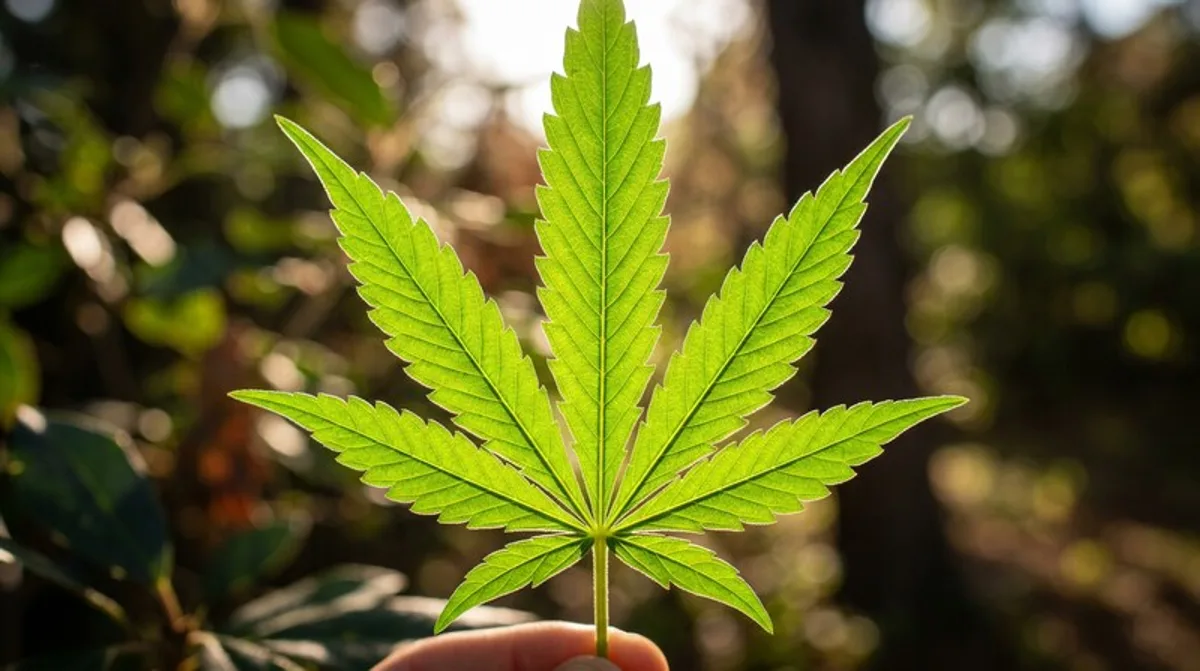
Cannabis sativa leaf — the plant that changed human history across every inhabited continent.
Ancient Origins: Cannabis in the Old World
Cannabis sativa is one of humanity’s oldest cultivated plants. Archaeological evidence from Taiwan places hemp fibre use at approximately 8000 BCE, making it contemporaneous with the earliest pottery and among the first plants domesticated by humans. Seeds recovered from ancient Chinese sites at Yangshao culture locations date to around 6000 BCE. The plant offered everything a neolithic settlement needed: seed oil for food and lamp fuel, fibre for rope and textiles, and medicine for pain and anxiety.
The Chinese emperor Shen Nung, credited in legend with founding Chinese medicine around 2700 BCE, recorded cannabis (ma) in his pharmacopoeia as a treatment for rheumatism, gout, malaria and absent-mindedness. His text notes both male and female plants and recommends the female flowers for maximum medicinal potency — a distinction that remains central to modern cannabis cultivation. Ancient Indian Vedic texts from around 1500–1200 BCE describe cannabis as one of the five sacred plants, used in ritual offerings and Ayurvedic medicine. The Sanskrit term bhanga refers to a preparation still consumed in India today as bhang.
Cannabis spread westward through the Scythian peoples of Central Asia. The Greek historian Herodotus, writing around 440 BCE, described Scythians throwing cannabis seeds onto heated stones in enclosed tents to produce vapour baths after burial ceremonies — a practice confirmed archaeologically at the Jirzankal Cemetery site in western China, where wooden braziers with cannabis residue date to 500 BCE. This represents the oldest confirmed evidence of intentional cannabis inhalation. You can explore how these ancient strains compare to modern genetics in our OG Kush strain guide.
In ancient Egypt, cannabis pollen has been found on mummies including Ramesses II. The Ebers Papyrus (1550 BCE) records cannabis as a treatment for inflammation and eye conditions. By 400 CE, Roman author Palladius described hemp cultivation across the empire for rope, sail and clothing. Cannabis was already a global crop before the Common Era ended.
Medieval and Renaissance Periods: Cannabis Across Continents
Through the medieval period, cannabis as hemp dominated European agriculture. The plant provided fibre for the ropes that rigged European sailing vessels — the hemp industry was as strategically critical as steel manufacturing would become centuries later. England grew hemp extensively; Henry VIII in 1533 required farmers with 60 acres or more to devote a quarter-acre to hemp cultivation. British naval dominance depended partly on access to high-quality hemp rope and sail canvas.
In the Islamic world, cannabis as a psychoactive substance spread following the Arab conquests of the 7th–8th centuries CE. North Africa and the Middle East developed hashish culture — concentrated cannabis resin consumed for medicinal and recreational purposes. The legendary group called the Assassins (Hashshashin) gave their name to cannabis in European languages, though historical evidence of their actual cannabis use is debated. By the 13th century, hashish coffee houses (kannabis) operated openly in Cairo. This rich hash culture underpins the modern concentration tradition you can read about in our THC guide.
In the Americas, cannabis arrived with European colonisers in the 16th century. Spanish colonial records document hemp cultivation in Chile as early as 1545 and Mexico by 1550. Hemp cultivation was promoted in British colonial Virginia from 1611; Jamestown settlers were legally required to grow it. George Washington and Thomas Jefferson both cultivated hemp at their plantations, and Washington’s diary entries suggest selective breeding for high-resin female plants.
By the 18th century, cannabis had circumnavigated the globe. Its medical use peaked in 19th-century Western medicine before prohibition would erase a century of pharmaceutical application. Learn how these historical dynamics connect to modern medical cannabis in our Netherlands medical cannabis guide.
19th Century Medicine: Cannabis in the Western Pharmacopoeia
Cannabis entered Western medicine formally in 1839 when Irish physician William Brooke O’Shaughnessy, working in British India, published a landmark study on its therapeutic applications. O’Shaughnessy had observed Indian physicians using cannabis preparations for pain, muscle spasms, cholera and tetanus. He conducted systematic experiments on animals and then humans, demonstrating its anticonvulsant and analgesic properties. His paper was read widely and triggered a wave of pharmaceutical interest in Europe and America.
By the 1850s, cannabis tinctures appeared in the United States Pharmacopoeia and Dispensatory. Pharmaceutical companies including Squibb, Eli Lilly, and Parke-Davis sold standardised cannabis preparations marketed for menstrual cramps, headaches, insomnia, rheumatism, and as a general analgesic. Physicians prescribed it routinely. Chloral hydrate and later barbiturates began displacing cannabis by the 1900s, not because cannabis was shown to be ineffective but because consistent dosing was difficult — cannabis potency varied widely between batches and oral bioavailability was unpredictable.
The Harrison Narcotics Tax Act of 1914 targeted opiates and cocaine but left cannabis alone. Cannabis remained fully legal across the United States into the 1920s. Its status would change dramatically over the following two decades due to political, racial and economic forces entirely separate from pharmacology or evidence.
Prohibition Era: 1937 to the Modern Movement
The Marihuana Tax Act of 1937 effectively prohibited cannabis in the United States. The political campaign preceding it was led by Harry Anslinger, head of the Federal Bureau of Narcotics, and drew heavily on racist stereotyping linking cannabis to Black jazz musicians and Mexican immigrants. The term “marihuana” itself was promoted specifically to replace “cannabis” and create a foreign-sounding association in the public mind. Congressional testimony in favour of the ban included claims of murder and insanity caused by the “killer weed” — claims contradicted by contemporary medical evidence.
The American Medical Association (AMA) opposed the 1937 Act, arguing it would eliminate legitimate medical use. Its objections were overridden. Cannabis was removed from the US Pharmacopoeia in 1942. The 1970 Controlled Substances Act placed cannabis in Schedule I — alongside heroin, above cocaine and methamphetamine — as a drug with no accepted medical use and high abuse potential. This classification directly contradicted the recommendations of the Shafer Commission, a presidential panel that reported in 1972 that cannabis should be decriminalised. President Nixon ignored the report. Read the full story in our War on Drugs guide.
International prohibition followed the 1961 UN Single Convention on Narcotic Drugs, which placed cannabis in Schedule IV — the most restrictive category. Signatory nations were required to criminalise production, sale and use. This framework persisted largely unchanged until the 2010s, when the weight of medical evidence and shifting public opinion began dismantling it state by state and country by country.
Legalisation Era: 1996 to Today
California’s Proposition 215 in 1996 opened the modern legalisation movement by permitting medical cannabis. By 2012, Colorado and Washington became the first US states to legalise recreational cannabis. Uruguay legalised fully in December 2013; Canada followed in October 2018. Germany’s Cannabis Act of April 2024 legalised possession and limited home cultivation for adults across the EU’s most populous country.
Today, recreational cannabis is legal in over 25 US states, multiple Canadian provinces, and several countries. Medical cannabis programmes exist in 50+ countries. The global legal cannabis market is projected to exceed $100 billion by 2030. After 10,000 years of use, prohibition is proving to be the historical anomaly. Explore how this history plays out on the ground in our Amsterdam travel guide and the story of California Prop 215.
Cannabis History Timeline
Year
Event
Significance
8000 BCE
Hemp fibre in Taiwan
Earliest confirmed human use of cannabis plant
2700 BCE
Shen Nung pharmacopoeia
First written record of medical cannabis use
440 BCE
Herodotus documents Scythian vapour baths
First Western record of cannabis inhalation
1839
O’Shaughnessy introduces cannabis to Western medicine
Triggers pharmaceutical cannabis era in Europe and US
1937
US Marihuana Tax Act
Effective federal prohibition in the United States
1964
Mechoulam isolates THC
First isolation and synthesis of the primary psychoactive compound
1996
California Prop 215
First US state medical legalisation — starts modern wave
2013
Uruguay full legalisation
First nation to legalise recreational cannabis nationally
Archaeological evidence places cannabis use at least 10,000 years ago in Central Asia. Hemp fibre found in Taiwan dates to 8000 BCE, and cannabis seeds appear in ancient Chinese burial sites from 6000 BCE.
When was cannabis first used as medicine?
The Chinese emperor Shen Nung documented cannabis as medicine around 2700 BCE in his pharmacopoeia. Ancient Indian Ayurvedic texts describe cannabis preparations for pain, anxiety and insomnia from around 1000 BCE.
Why did cannabis become illegal in the United States?
The Marihuana Tax Act of 1937 effectively prohibited cannabis, driven by political lobbying, racial scapegoating and anti-Mexican sentiment during the Great Depression. The DEA then classified it Schedule I in 1970 under the Controlled Substances Act.
Which country first legalised cannabis for recreational use?
Uruguay became the first country to fully legalise recreational cannabis in December 2013. Canada followed in October 2018, becoming the first G7 nation to do so.
What is the oldest physical evidence of cannabis smoking?
Wooden braziers containing cannabis residue found in a Jirzankal Cemetery in western China date to approximately 500 BCE, representing the oldest confirmed evidence of cannabis inhalation for psychoactive purposes.
How did hemp differ from cannabis historically?
Hemp varieties were cultivated for fibre and seed oil throughout history with minimal psychoactive content. Psychoactive cannabis was selectively bred for resin production. Both come from Cannabis sativa but differ in THC content and cultivation purpose.