










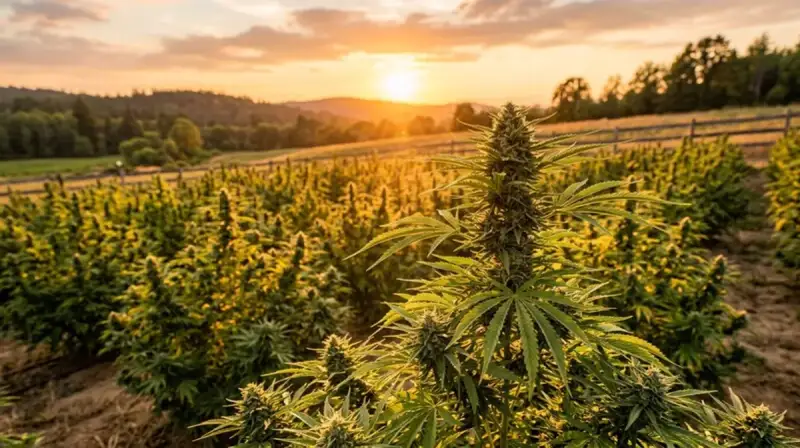
Organic vs Conventional Cannabis: Does It Matter?
A data-driven comparison of cultivation methods, safety profiles, terpene quality, cost, and consumer outcomes — so you can make the most informed purchase at the dispensary.
- Quick verdict: Organic cannabis offers lower pesticide risk and often richer terpene expression; conventional lab-tested cannabis can be equally safe at lower cost.
- Shared traits: Both can achieve identical THC/CBD levels; both are subject to state-mandated lab testing at licensed dispensaries.
- Key differences: Input materials (synthetic vs natural), terpene preservation, environmental footprint, price, and availability of third-party organic certification.
- Best for organic: Daily medical users, immunocompromised patients, consumers sensitive to residues, flavor-focused connoisseurs, and those concerned about environmental impact.
- Best for conventional: Recreational consumers on a budget, those who verify lab COAs, and patients who need specific high-potency genetics not yet available in organic cultivation.
- Important: Cannabis laws and dispensary product standards vary by state. Always verify lab Certificates of Analysis (COAs) for any product you purchase.
Overview: What Exactly Are We Comparing and Why Does It Matter?
When cannabis consumers ask whether "organic" weed is better than "conventional" weed, they're touching on one of the most debated topics in the modern cannabis industry. On the surface, it sounds like the same conversation happening in the produce aisle of your grocery store. In practice, it's considerably more complicated — because cannabis occupies a unique legal gray zone that makes true federal organic certification impossible, and because the way cannabis is consumed (combustion, vaporization, sublingual absorption) means that agricultural residues can enter the body through routes that are very different from eating an apple.
For the purposes of this guide, organic cannabis refers to cannabis grown without synthetic pesticides, synthetic herbicides, synthetic fertilizers, or prohibited substances, using natural soil amendments (compost, worm castings, kelp meal), beneficial insects for pest management, and cultivation practices designed to build living soil ecosystems. Because cannabis is federally classified as a Schedule I substance, the USDA's National Organic Program (NOP) cannot certify it. Instead, third-party certifiers like Clean Green Certified, Dragonfly Earth Medicine, and Oregon Tilth Certified Organic have stepped in to fill the gap using NOP-equivalent standards.
Conventional cannabis refers to cannabis cultivated using any combination of synthetic nutrient programs, chemical pesticides (fungicides, insecticides, miticides), and hydroponic or soil-based systems that prioritize yield and consistency over input restrictions. This does not mean conventional cannabis is automatically unsafe — all cannabis sold through licensed US dispensaries must pass state-mandated lab testing that includes pesticide panels — but it does mean the risk profile differs.
Why does it matter? Consider that the average daily cannabis consumer in states like California or Colorado may use cannabis multiple times per day across years or decades. Even small, repeated exposures to pesticide residues accumulate. Research on cannabis effects and safety increasingly acknowledges that the full chemical matrix of a cannabis product — including terpenes, flavonoids, cannabinoids, and potential contaminants — shapes both the experience and the health outcome. Understanding what went into growing your flower is just as relevant as knowing its strain genetics.
"The terpene profile of cannabis is as important as the cannabinoid profile — and cultivation method is one of the most underappreciated variables affecting both."
Side-by-Side Comparison: Organic vs Conventional Cannabis
The table below evaluates both cultivation approaches across eight critical criteria that matter to US cannabis consumers, medical patients, and industry professionals.
| Criteria | Organic Cannabis | Conventional Cannabis |
|---|---|---|
| Pesticide Exposure Risk | Low — only approved natural inputs permitted | Moderate — synthetic pesticides possible; state testing required |
| Terpene Profile | Often richer and more complex due to living-soil biology | Can be high in quantity; may lack depth from soil-deficient systems |
| THC / CBD Potency | Genetics-dependent; comparable to conventional | Genetics-dependent; can be dialed very high with synthetic nutrients |
| Flavor & Aroma | Generally superior — full-spectrum terp expression | Good to excellent; varies by grower skill and strain |
| Environmental Impact | Lower — builds soil health, reduces chemical runoff | Higher — synthetic inputs can degrade soil and waterways |
| Price | Premium — typically 20–40% more expensive | Lower to mid-range — widely available at competitive prices |
| Availability | Limited — select dispensaries; more common in legacy markets | Widely available at most licensed US dispensaries |
| Certification / Verification | Clean Green Certified, Dragonfly Earth Medicine, Oregon Tilth | State lab testing (COA); no organic certification applicable |
| Yield Consistency | May vary season to season; less predictable | High consistency — controlled inputs yield uniform harvests |
| Medical Suitability | Preferred for immunocompromised and chemotherapy patients | Suitable when COA confirms clean pesticide panel |
Deep Dive: Organic Cannabis
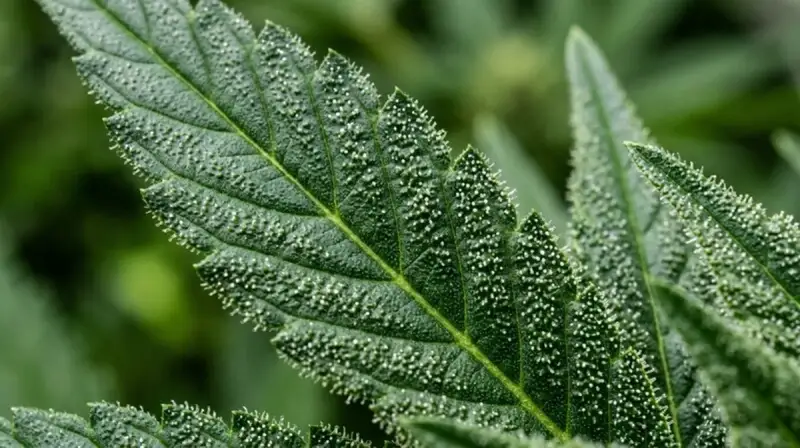
Organic cannabis cultivation is rooted in a philosophy that mirrors regenerative agriculture: work with the soil's natural biology rather than replacing it. The best organic cannabis producers build "living soil" ecosystems teeming with beneficial bacteria, mycorrhizal fungi, nematodes, and other microorganisms that form symbiotic relationships with cannabis roots, delivering nutrients in bioavailable forms that plants can uptake exactly when needed.
Strengths of Organic Cannabis
- Reduced chemical exposure: Without synthetic pesticides, fungicides, or synthetic fertilizer salts, the risk of residue contamination in the final product is substantially lower. This is particularly relevant for consumers who vaporize or combust flower, as heat transforms many pesticide compounds into potentially more harmful byproducts.
- Superior terpene & flavonoid expression: Living soil microbiomes produce trace minerals and secondary nutrients that stress cannabis plants in productive ways, encouraging the plant to synthesize a fuller spectrum of terpenes and flavonoids. Many experienced consumers describe organic cannabis as smelling more "alive" and tasting more complex than hydro-grown counterparts.
- Environmental stewardship: Organic cultivation builds topsoil, sequesters carbon, reduces synthetic chemical runoff into waterways, and supports local pollinator populations — meaningful advantages as the cannabis industry grapples with its environmental footprint.
- Entourage effect alignment: A richer terpene profile means more synergistic interaction between cannabinoids and terpenes, which research suggests may enhance and modulate the effects of cannabis beyond what THC alone delivers.
Weaknesses of Organic Cannabis
- Higher price point: Labor-intensive cultivation, slower growth cycles, and lower yields translate directly into higher retail prices — typically $50–$65+ per eighth versus $30–$45 for comparable conventional flower.
- Limited availability: Certified organic cannabis remains a niche segment. Outside of legacy markets like Northern California, Oregon, and parts of Colorado, true third-party certified organic flower can be hard to find at mainstream dispensaries.
- Unregulated labeling: Without federal organic certification, any grower can use the word "organic" on packaging or social media without accountability. This makes verification by COA and third-party certification essential.
- Yield variability: Living soil systems and natural pest management are less predictable than controlled synthetic programs, which can result in batch-to-batch variation.
Organic Cannabis Is Best For:
Daily medical users; immunocompromised patients (those undergoing chemotherapy, organ transplant recipients); consumers with chemical sensitivities; flavor-forward connoisseurs; environmentally conscious consumers; and anyone exploring the deeper nuances of craft cannabis strains.
Deep Dive: Conventional Cannabis
Conventional cannabis covers an enormous range — from large-scale greenhouse operations using automated nutrient delivery and chemical IPM (integrated pest management) programs, to small craft indoor grows that use synthetic nutrients but otherwise follow careful, clean practices. The word "conventional" does not automatically mean "low quality" any more than "organic" automatically means "high quality."
Strengths of Conventional Cannabis
- Consistent potency and yield: Synthetic nutrient programs allow growers to dial in precise NPK ratios and pH levels, producing consistent cannabinoid percentages across harvests. This predictability is valuable for patients who require a specific THC or CBD dose.
- Accessibility and affordability: The majority of licensed dispensary cannabis in the US is conventionally grown, making it the most accessible option across all legal states. Competitive pricing makes it accessible to consumers on fixed incomes or those who use cannabis frequently.
- State-mandated safety testing: All cannabis sold at licensed dispensaries in the US must pass state-required lab testing that includes pesticide residue panels, heavy metals, microbial contamination, and potency verification. A clean COA from an accredited lab is meaningful evidence of safety regardless of cultivation method.
- Genetic diversity: Many elite genetics and high-THC cultivars have been developed and stabilized within conventional growing systems. Some of the most celebrated cannabis strains originated in hydroponic or coco-based grows.
Weaknesses of Conventional Cannabis
- Pesticide residue risk: While state testing catches many violations, testing thresholds and panels vary by state. Some synthetic pesticides approved for use on other crops are not permitted on cannabis but may still be used by less scrupulous growers.