










- Quick verdict: Live resin offers exceptional value and wide availability; rosin is the gold standard for solvent-free purity and terpene quality.
- Key similarity: Both preserve terpene-rich, full-spectrum cannabinoid profiles far better than distillate or conventional BHO wax.
- Key difference: Live resin uses hydrocarbon solvents (butane/propane) applied to fresh-frozen cannabis; rosin uses only heat and pressure — zero solvents at any stage.
- Flavor: High-quality hash rosin edges ahead of live resin at the premium tier for aromatic complexity and whole-plant character.
- Budget: Live resin typically runs $30–$60/gram vs. $60–$120+ for premium hash rosin.
- Medical patients: Solventless rosin is preferred for those with chemical sensitivities or respiratory conditions.
- Cannabis laws vary by state — always verify legal status before purchasing.
Overview: Why This Comparison Matters
Walk into any legal dispensary today and you’ll encounter an overwhelming array of cannabis concentrates — shatter, wax, distillate, crumble, budder, and more. Among these, live resin and rosin have earned a special reputation as the connoisseur’s choice. Both are prized for their rich terpene profiles, potent effects, and ability to deliver what enthusiasts call the “full-spectrum” experience. But they are produced in fundamentally different ways, and those differences have real consequences for flavor, purity, potency, price, and safety.
Understanding the distinction between live resin and rosin matters more than ever as the concentrate market matures rapidly. According to industry data, concentrates now account for over 30% of cannabis sales in mature markets like Colorado and California. Consumers are increasingly informed and willing to spend more for quality — but “quality” means different things depending on your priorities. Whether you’re a recreational user chasing the most flavorful dab, a medical cannabis patient avoiding solvents, or a curious newcomer trying to decode dispensary menus, this guide gives you the expert breakdown you need.
Side-by-Side Comparison
| Criteria | Live Resin | Rosin (Hash Rosin) |
|---|---|---|
| Extraction Method | Hydrocarbon solvents (butane, propane) applied to fresh-frozen cannabis | Heat and pressure only — solvent-free; pressed from ice water bubble hash |
| Starting Material | Fresh-frozen cannabis flower (harvested and immediately frozen) | Dried flower, kief, or ice water bubble hash; live rosin uses fresh-frozen material |
| Terpene Preservation | Excellent — fresh-freezing locks in volatile terpenes lost during drying | Excellent to outstanding — hash rosin is considered the terpene pinnacle |
| THC Potency Range | 65–90% THC (typical) | 55–85% THC (typical); varies with starting material quality |
| Solvent Residuals | Trace amounts possible if purging is incomplete; lab-tested products are safe | Zero — no solvents used at any stage of production |
| Average Price (per gram) | $30–$60 (dispensary pricing varies by state) | $60–$120+ for premium hash rosin |
| Consistency/Texture | Sauce, sugar, badder, or THCA diamonds in terp sauce | Badder, jam, cold cure badder, or sauce; slightly greasier texture |
| Availability | Widely available at most licensed dispensaries | Often limited; artisan and small-batch producers dominate |
| Best Consumption Method | Dab rig, e-rig, dab pen; excellent in live resin cartridges | Dab rig, e-rig; solventless vape carts at premium tier |
| Entourage Effect Potential | High — broad cannabinoid and terpene spectrum | Very high — considered closest to whole-plant experience |
| Production Scalability | High — commercial BHO labs process large quantities efficiently | Low — labor-intensive; yield rates from bubble hash are typically 10–25% |
Deep Dive: Live Resin
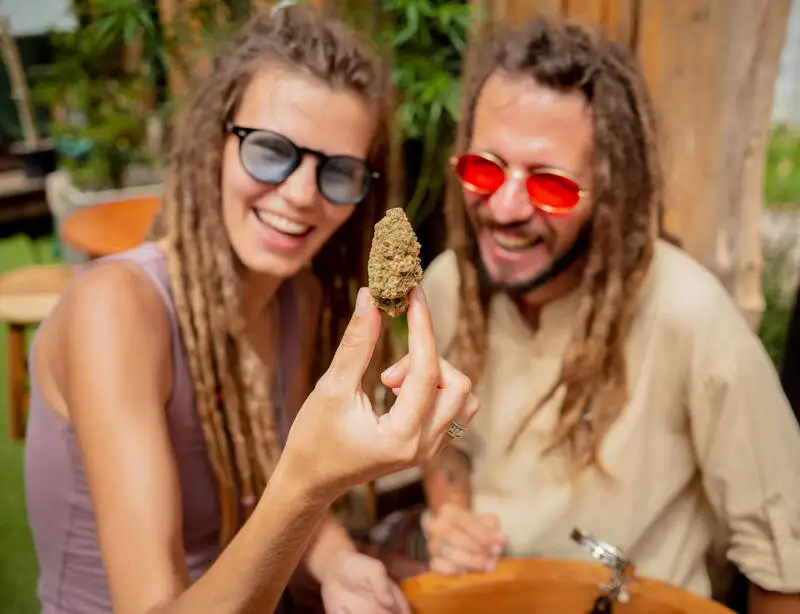
Live resin was developed in the early 2010s by Colorado extractors who were searching for a way to capture the true aromatic essence of living cannabis plants. Their insight was revolutionary: the drying and curing process destroys a significant portion of the volatile terpenes that give each cannabis strain its unique aroma and flavor. By harvesting plants at peak ripeness and immediately flash-freezing them — typically in dry ice or liquid nitrogen at temperatures around -40°F — they could lock those terpenes in place before extraction began.
The frozen material is then processed using hydrocarbon solvents, most commonly butane or a butane/propane blend. The solvent strips cannabinoids and terpenes from the plant material at very low temperatures, maintaining the cold chain throughout. The raw extract is then purged of residual solvent using vacuum ovens. The result is a product with a terpene content that can be 2–5 times higher than conventional BHO extracts made from dried cannabis.
Terpene Preservation: The Live Resin Advantage
The cold-chain extraction process that defines live resin preserves monoterpenes — the most volatile and aromatic terpene fraction — at levels impossible to achieve with dried starting material. Compounds like myrcene, limonene, terpinolene, and ocimene evaporate rapidly during the drying and curing process; by starting with fresh-frozen cannabis, live resin extractors preserve these compounds at their peak. The result is a product that smells and tastes closer to the living plant than any other commercially produced BHO extract. Learn more about how these aromatic compounds interact with cannabinoids in our terpenes guide.
Strengths of Live Resin
- Exceptional terpene profile: Fresh-freezing preserves monoterpenes that evaporate rapidly during drying, contributing to a more vibrant, complex flavor than conventional BHO.
- Wide availability: Live resin products — including vape cartridges, badder, sugar, and sauce — are stocked at virtually every licensed dispensary in legal states.
- Scalable production: Commercial BHO labs can process large quantities efficiently, keeping prices relatively accessible compared to artisan rosin.
- Versatile formats: Available as cartridges, disposable vapes, dabbable concentrates, and pre-roll infusions.
- Consistent quality: Established brands have refined their processes to deliver reliable, lab-tested products with predictable effects.
Weaknesses of Live Resin
- Solvent involvement: Although well-made live resin passes state lab testing for residual solvents, the use of flammable hydrocarbons requires sophisticated closed-loop equipment and professional facilities.
- Production complexity: Requires maintaining cold-chain integrity from harvest through extraction — any break in this process degrades quality significantly.
- Quality variation: The budget end of the live resin market includes products made with lower-quality starting material or less careful purging processes.
Live Resin Is Best For
Consumers who want a premium, terpene-rich concentrate experience without paying top-shelf rosin prices. It’s also ideal for those who prefer vape cartridges, since live resin carts are one of the most widely available and flavorful cartridge formats on dispensary menus. If you’re exploring concentrates for the first time or trying specific strain-specific flavor profiles, live resin is an excellent entry point.
Deep Dive: Rosin
Rosin is the purest form of cannabis concentrate available in legal dispensaries — a product made using nothing but heat, pressure, and exceptional starting material. The technique is elegantly simple: apply enough heat and mechanical pressure to cannabis material, and the resinous trichomes will liquefy and ooze out, leaving plant fiber behind. What you collect is a full-spectrum oil rich in cannabinoids and terpenes, with absolutely no solvent contact at any stage.
The modern rosin movement was sparked around 2015 when the technique went viral after demonstrating that a basic hair straightener could press rosin from cannabis flower. Since then, the technology has advanced dramatically. Commercial rosin producers now use hydraulic and pneumatic presses capable of thousands of pounds of pressure, with precise temperature controls and specialized rosin bags — micron-screened filter bags that hold plant material while allowing resin to flow through.
The highest-quality rosin today is hash rosin — pressed not from raw flower but from ice water bubble hash. Making bubble hash involves agitating fresh-frozen cannabis in ice water, causing trichome heads to break off and sink through a series of progressively finer filter bags. The finest grades — typically 73–90 micron — contain nearly pure trichome heads and produce a rosin of extraordinary quality. This multi-stage process is labor-intensive, which is why premium hash rosin commands such high prices.
“Solventless extraction doesn’t just mean ‘no solvents’ — it means you have nowhere to hide. The quality of your rosin is a direct reflection of the quality of your starting material and your skill as an extractor.”
The Bubble Hash Process: Foundation of Premium Rosin
Understanding hash rosin requires understanding bubble hash. Premium bubble hash is made by placing fresh-frozen cannabis in ice water and gently agitating it — traditionally with paddles, now often with specially designed washing machines. The cold water and agitation cause the trichome heads (which contain the majority of the plant’s cannabinoids and terpenes) to break off and become suspended in the water. This trichome-rich water is then poured through a series of filter bags rated by micron size. The smallest microns capture the purest trichome heads; the larger bags catch more plant material along with the trichomes. After filtering, the hash is cold-dried under controlled conditions, then pressed into rosin.
The entire process — from fresh-frozen cannabis to finished hash rosin — can take days when done properly. Yield rates at the rosin press are typically 10–25% of the hash weight, meaning a substantial amount of starting material is required for even a gram of premium product. This labor, material cost, and yield constraint directly explain rosin’s premium price point.
Strengths of Rosin
- Absolute purity: Zero solvents at any stage — the cleanest possible extraction method for cannabis concentrates, with no risk of residual chemical exposure.
- Full-spectrum profile: Hash rosin preserves the complete cannabinoid and terpene profile of the source material, including minor cannabinoids like CBG and CBN that can be lost in solvent extraction.
- Superior flavor at the premium tier: Connoisseurs consistently rate top-shelf hash rosin as the most flavorful and nuanced concentrate available, capturing the full aromatic complexity of the cultivar.
- Medical preference: Patients with chemical sensitivities, respiratory conditions, or concerns about solvent residuals consistently prefer rosin as the safest available option.
- Entourage effect: The preservation of the full terpene and cannabinoid matrix means hash rosin supports the most complete version of the entourage effect.
Weaknesses of Rosin
- Price: Premium hash rosin is among the most expensive cannabis products per gram, with top-shelf options reaching $100–$150+ at licensed dispensaries.
- Lower potency ceiling: Rosin typically tests lower in raw THC percentage than live resin due to the absence of solvent-based extraction efficiency. The tradeoff is a richer overall cannabinoid profile.
- Limited availability: Many dispensaries carry limited rosin selections, particularly in newer legal markets. Top-quality hash rosin is often produced in small batches by artisan extractors.
- Consistency challenges: Rosin’s quality is extremely sensitive to pressing temperature, pressure, bag micron, and starting material quality — making consistency across batches challenging even for experienced producers.
Rosin Is Best For
Connoisseurs who prioritize flavor and purity above all else, medical patients who need solvent-free concentrates, consumers who want the fullest possible expression of a specific cultivar, and anyone willing to invest in the premium tier of the cannabis concentrate market. Explore strain profiles for cultivars that produce exceptional rosin.
Price Comparison
| Product Type | Live Resin (per gram) | Hash Rosin (per gram) |
|---|---|---|
| Entry-Level / Dispensary Brand | $30–$45 | $50–$70 |
| Mid-Range | $45–$65 | $70–$100 |
| Premium / Artisan Single-Cultivar | $60–$80 | $100–$150+ |
Which Should You Choose?
For most consumers, live resin offers the best balance of quality, flavor, and value. It’s widely available, comes in many formats including vape cartridges, and provides a dramatically better terpene experience than conventional BHO concentrates at a price point that doesn’t require a premium budget. If you prioritize convenience and access alongside flavor, live resin is the clear practical choice.
For connoisseurs, medical patients, and anyone who considers their concentrate purchase an investment in the finest possible cannabis experience, hash rosin is the gold standard. The absence of solvents, the richness of the terpene profile, and the sense of craft production that defines premium rosin are genuinely unmatched in the concentrate category. The price premium is real but justifiable for those to whom these qualities matter most.
Always purchase from licensed dispensaries and verify COAs. Visit our state cannabis guides for legal status by jurisdiction.
Frequently Asked Questions
What is live rosin, and how does it differ from regular rosin?
Live rosin is the result of pressing fresh-frozen bubble hash rather than hash made from dried cannabis. The “live” designation — borrowed from live resin — indicates that the starting material was never dried or cured, preserving maximum terpene content through the entire process. Live rosin commands the highest prices in the concentrate market precisely because it requires both the labor-intensive bubble hash washing process and the use of fresh-frozen starting material rather than dried plant matter.
Can I make rosin at home?
Yes — flower rosin can be made at home using a purpose-built rosin press or even improvised with a hair straightener, parchment paper, and heat-resistant gloves. The quality and yield will not approach commercial hash rosin, but home flower rosin is a safe, solventless option for curious consumers. Results improve significantly with lower pressing temperatures (175–220°F), proper micron bag use, and quality starting material.