










Chiang Mai Cannabis Travel Guide
Chiang Mai’s brief emergence as one of Asia’s most surprising cannabis destinations was one of the most dramatic drug policy experiments of the 2020s — and its reversal was equally abrupt. Between June 2022 and 2024, Thailand operated without a completed cannabis regulatory framework, creating a de-facto window during which dispensary-style shops opened across the country. In Chiang Mai alone, hundreds of cannabis shops emerged — in the Old City’s moated lanes, along Nimmanhaemin Road’s commercial strip, in the Santitham neighbourhood favoured by long-term expats, and at night market locations. International travel coverage described Chiang Mai as a cannabis tourism hotspot. Thai authorities subsequently closed that window. As of 2026, recreational cannabis is once again illegal, and the guide you are reading is one of the few that accurately reflects current reality rather than the 2022–2024 window that most online content still describes.
- Current Status: Cannabis recriminalized in Thailand, 2024 — recreational use illegal as of 2026
- Medical Cannabis: Legal under Thai licensed medical framework — not accessible to tourists without Thai medical registration
- Dispensaries: Most closed or converted to CBD-only after recriminalization; remaining grey-area operations carry serious legal risk for both operators and customers
- Penalties: Drug offenses in Thailand can result in imprisonment; foreigners face deportation after serving sentences; pre-trial detention can be extended
- CBD Products: Hemp-derived CBD legally distinct from cannabis — shops continue operating; verify THC content before purchase
- Airport Risk: Thai customs at Chiang Mai International (CNX), Suvarnabhumi (BKK), and Don Mueang (DMK) apply zero tolerance; do not attempt to travel with any cannabis products
- Outdated Guides: Content describing Chiang Mai cannabis shops, Nimman dispensaries, or 420-friendly venues refers to the 2022–2024 window and is no longer accurate
- Advice: Do not rely on informal reports of tolerance — the legal framework has changed and enforcement is unpredictable
Timeline: Thailand’s Cannabis Policy from 2022 to 2026
To understand Chiang Mai’s current situation, the sequence of events matters precisely. Thailand’s cannabis policy shifted through three distinct phases in four years — a pace of change unusual in any country’s drug policy history.
Before June 2022: Thailand was among Southeast Asia’s strictest drug enforcement nations. Cannabis was a Schedule 5 narcotic under the Narcotic Act B.E. 2522 (1979). Possession carried penalties ranging from fines to lengthy imprisonment. Thailand’s prison population included a significant proportion of drug offenders; the country’s drug enforcement reputation served as a genuine deterrent.
June 2022: The Bhumjaithai Party-led coalition government, fulfilling an election campaign promise to develop cannabis as a Thai agricultural commodity, removed cannabis from the narcotics schedule. Critically, the regulatory framework — rules governing commercial sale, legal consumption, possession limits, and licensing — had not been completed before the delisting took effect. Cannabis became technically legal to possess and use without the rules that would have governed how. This gap created the famous grey zone.
June 2022 – 2024: The grey zone period. Within weeks of the narcotics delisting, shops across Thailand began selling cannabis products openly. In Bangkok, dispensary-style operations appeared in Sukhumvit and Silom. In Chiang Mai, the transformation was concentrated on Nimmanhaemin Road (Nimman), inside the Old City’s moat, and in the Santitham/Nimman subdistrict. International media ran features on “Thailand’s cannabis revolution.” The Thai tourism industry noted the surge in cannabis tourists. Health authorities issued warnings about adolescent access. The regulatory vacuum was widely noted but not quickly resolved.
2024: A new Thai government moved to recriminalize recreational cannabis. The policy shift reversed the 2022 delisting for recreational purposes, returning recreational possession and use to illegal status. Licensed medical cannabis pathways were maintained. The transition left operators in legal uncertainty; many dispensary-style establishments closed.
| Period | Legal Status | Chiang Mai Practical Situation |
|---|---|---|
| Pre-2022 | Fully illegal — Schedule 5 narcotic | No shops; severe penalties; enforcement active |
| June 2022 | Narcotics delisted; incomplete regulation | Shops begin opening rapidly across the city |
| 2022–2024 (peak) | De-facto grey zone; hundreds of shops | Nimman, Old City, Santitham had visible cannabis retail |
| 2024 — Present | Recreational recriminalized; medical only | Most shops closed; CBD continues; enforcement resumed |
The Nimmanhaemin Road Scene: Then and Now
Nimmanhaemin Road — universally called Nimman by locals and travellers — is Chiang Mai’s most internationally recognizable neighbourhood, a dense strip of coffee shops, boutiques, co-working spaces, restaurants, and bars concentrated around Nimman Soi 1 through 17, anchored by the Maya Mall shopping centre. During the 2022–2024 grey zone, Nimman was transformed: cannabis dispensary shops appeared in between coffee shops, decorated with leaf logos and featuring product menus ranging from local Thai sativa strains to imported cultivars.
At its peak, Nimman had among the highest concentrations of cannabis shops per block of any street in Asia. International tourists arrived specifically for the combination of quality accommodation, sophisticated food scene, and open cannabis access. Local entrepreneurs and foreign investors opened operations. Social media content about “Nimman cannabis” accumulated millions of views. The neighbourhood became synonymous with Thailand’s cannabis experiment.
Following recriminalization, that scene has largely disappeared from Nimman’s street level. The coffee shops, restaurants, boutiques, and Nimman’s broader appeal as a comfortable modern neighbourhood remain entirely intact — Nimman is still one of Southeast Asia’s most pleasant urban strips for visitors. But the cannabis dispensaries are gone or converted. Visitors arriving expecting the scene described in travel content from 2022 or 2023 will find a neighbourhood that looks different than those guides describe.
Legal Risk Assessment for Tourists
Thailand’s drug enforcement history is one of the most serious in Southeast Asia. Before the 2022 liberalization, Thailand had a well-documented record of severe drug sentences, including the death penalty for large-scale trafficking. The recriminalization in 2024 represents a return toward the stricter framework that preceded the grey zone.
For international tourists specifically, the risk calculation is unfavourable in several compounding ways:
Imprisonment in Thai facilities: A drug offense that might result in a caution in a European country or a fine in Colombia can result in Thai imprisonment. Thai prison conditions for foreigners are a documented concern in consular advisories from multiple countries.
Deportation after sentence: Even after serving a sentence, deportation follows. A drug conviction in Thailand will permanently affect your visa eligibility for Thailand and may affect visa applications to other countries depending on their disclosure requirements.
Pre-trial detention: Thai judicial processes for drug cases can involve extended pre-trial detention. You may be held while your case is processed — a period that can stretch from weeks to months.
Legal representation costs: Qualified legal representation in Thailand is available but expensive. Consular support from your embassy in Bangkok provides contact information and welfare monitoring but cannot substitute for a Thai lawyer.
Informal reports are not reliable: During the grey zone, a body of informal knowledge accumulated about police tolerance, safe areas, and practical realities. This informal knowledge is now outdated. The legal framework has shifted, and enforcement patterns established during the grey zone should not be assumed to continue.
What Legally Remains: CBD and Medical Cannabis
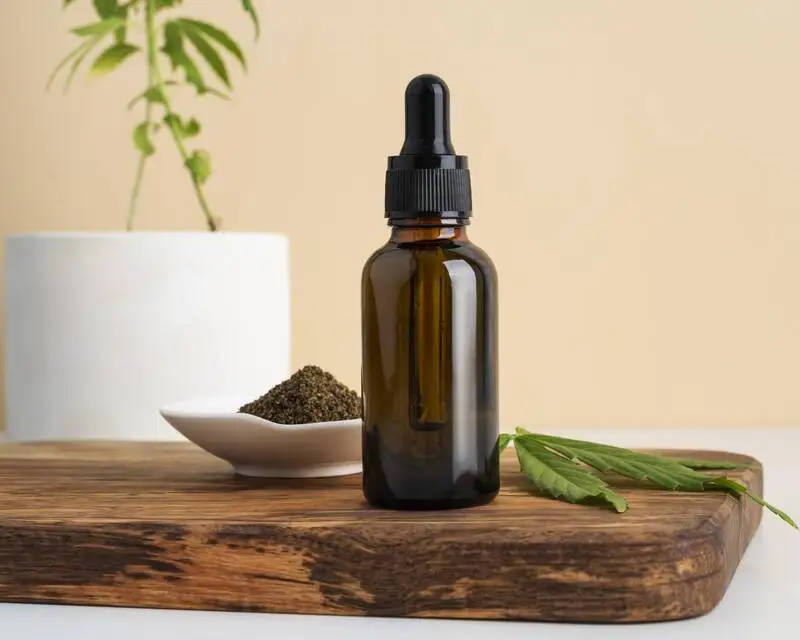
Following recriminalization, the landscape of cannabis-adjacent products in Chiang Mai shifted but did not disappear. Hemp-derived CBD products — with THC below Thailand’s legally defined threshold — remain available and are sold in health and wellness shops, pharmacies, and some specialist retailers. The Thai FDA maintains the distinction between hemp (legal) and cannabis (restricted to medical).
For visitors who want CBD products in Chiang Mai: purchase only from established commercial shops selling clearly labelled, packaged products. Ask specifically about the THC content and Thai FDA registration status. Avoid products without clear labelling, without Thai regulatory information, or offered by street-level or informal vendors. The legal CBD market in Chiang Mai is real and accessible; the risk comes from products that are not what they claim to be.
Thailand’s licensed medical cannabis program exists but is not accessible to tourists on short-term visits. Medical cannabis in Thailand requires Thai medical registration, consultation with a licensed Thai physician, and prescription through the Thai healthcare system — not a practical pathway for tourism purposes.
Chiang Mai Beyond Cannabis: Why It Remains Worth Visiting
Chiang Mai is one of Southeast Asia’s most rewarding cities for visitors entirely independent of cannabis. The ancient walled city surrounded by a moat contains over 300 temples, the most significant of which — Wat Phra Singh, Wat Chedi Luang, Wat Chiang Man — represent the finest Lanna architecture in existence. Doi Suthep temple on the mountain above the city offers the best panoramic view of the Chiang Mai valley. The Sunday Walking Street at Wualai Road is one of Asia’s great night markets. The culinary scene around the Ping River and the old city gates — khao soi, sai ua, mango sticky rice, the entire Northern Thai canon — is exceptional.
The trek and outdoor tourism infrastructure around Chiang Mai provides access to the mountainous Northern Thai landscape, hill tribe villages, elephant sanctuaries, and zip-line courses that have made it a base for active tourism for decades. These aspects of Chiang Mai remain entirely unaffected by cannabis policy shifts and are the primary reason most visitors come.
Practical Tips for Visiting Chiang Mai
Arrival: Chiang Mai International Airport (CNX) handles direct flights from major Asian hubs. Thai customs and immigration are thorough. Do not attempt to bring cannabis products into Thailand from any origin. Do not purchase products in Chiang Mai and attempt to travel with them to other Thai cities or internationally.
If you want CBD products: Purchase only from clearly established retail shops with visible Thai FDA registration information. Ask to see product lab results or certification. Do not purchase from informal or street vendors.
Stay informed: Thai drug law in the cannabis space has changed multiple times in recent years. Before any cannabis-related activity, verify current legal status through official Thai government sources or a qualified Thai lawyer. Follow your foreign ministry’s Thailand travel advisory for current drug law information.
If you encounter anyone offering cannabis: Do not engage with street-level cannabis vendors. In a recriminalized environment, such interactions carry risks of police involvement, sting operations, or scams targeting tourists who believe they are accessing a still-legal market.
Recent Developments
The 2024 recriminalization left Thailand’s cannabis sector in a complicated state. Licensed producers who had invested in the Thai medical cannabis industry during the grey zone continue to operate under medical licensing. The agricultural component — hemp farming promoted by the original Bhumjaithai policy — continues under hemp licensing. The CBD retail sector operates in a legal framework that separates hemp products from recreational cannabis.
Thai political discussion about cannabis policy remains active. Some political factions advocate for a return to regulated recreational access; others support maintaining the recriminalized framework. The policy environment remains dynamic. There is no certainty about future changes, and current travellers should operate based on the current legal reality — recreational cannabis is illegal — rather than on speculation about future policy shifts.
Marcus Webb — ZenWeedGuide Senior Editor
Marcus covers cannabis policy shifts across Southeast Asia and has followed Thailand’s remarkable 2022–2024 experiment and its subsequent reversal closely. He researches current legal status before publishing any regional guide.
Frequently Asked Questions
Thailand’s cannabis policy shifted dramatically between 2022 and 2024. Chiang Mai went from having hundreds of dispensaries to recriminalization within two years. Always verify current status before any cannabis activity.