Dominant terpenes amplify the core therapeutic and sensory profile.
Well-suited for evening, daytime, or medical use depending on phenotype expression.
Consistent cannabinoid expression across verified genetics from trusted cultivators.
Recognized by connoisseurs and medical patients for its reliable, reproducible effects.
Strain Overview
Peanut Butter Breath is one of the most distinctive-smelling strains in modern cannabis. The cross between Do-Si-Dos and Mendobreath F2, developed by ThugPug Genetics, produces a flavor profile that is genuinely and unmistakably reminiscent of peanut butter — nutty, earthy, slightly sweet, and herbal in a way that no other widely available strain replicates.
The genetics behind Peanut Butter Breath are formidable. Do-Si-Dos is itself a potent cross between OG Kush Breath and Face Off OG BX1, bringing high THC, dense resin production, and the Cookies-OG hybrid flavor profile. Mendobreath F2 adds a unique earthy, nutty herbal complexity that bridges the gap between Do-Si-Dos’s sweet-earthy character and the distinctive peanut butter aromatics the strain is known for.
THC levels range from 20% to 28%, placing Peanut Butter Breath firmly in the high-potency category. The effects lean toward sedating and deeply relaxing, reflecting both parents’ indica-dominant character. This is not a strain for active daytime use or creative work sessions — it is an evening strain for deep relaxation, pain management, and the kind of profound body-and-mind rest that demanding days make necessary.
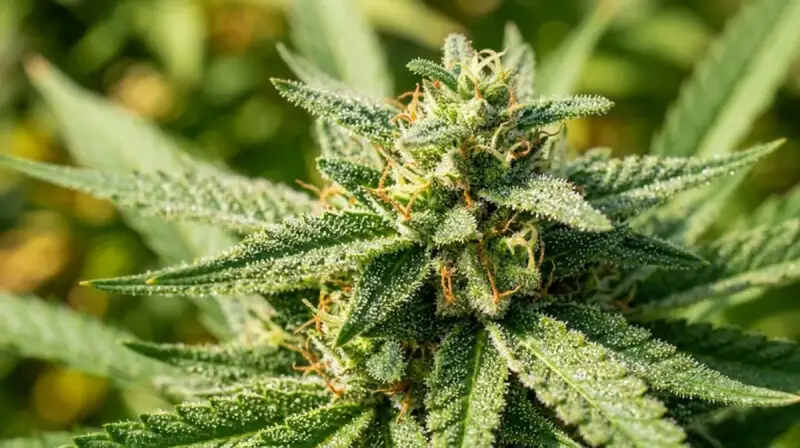
Visually, Peanut Butter Breath produces some of the most aesthetically striking buds in the cannabis market. The flowers are typically large and dense with a deep olive-green color, heavy trichome coverage that creates a grey-green dusty appearance, and dark amber pistils that wind through the tight calyx structure. The resin coating is exceptional even by high-potency hybrid standards.
The strain has developed a devoted following among connoisseurs who value unusual flavor profiles and genuine potency. While many highly marketed cannabis strains deliver good marketing but mediocre results, Peanut Butter Breath consistently delivers on its aromatic promise and its therapeutic potency, making it a repeat-purchase strain for patients and consumers who discover it.
ThugPug Genetics, the breeders behind Peanut Butter Breath, have built a reputation for producing strains with genuinely distinctive flavor profiles that emerge from thoughtful genetic selection rather than popular parent combinations chosen for marketability. Peanut Butter Breath exemplifies this philosophy: it is a strain that would have been developed because the breeders genuinely found the flavor combination extraordinary, not because peanut butter cannabis was a trending market category.
Cannabinoid & Terpene Profile
Peanut Butter Breath’s terpene profile is unusual in that caryophyllene, rather than myrcene, dominates the aromatic and therapeutic expression. Caryophyllene at 0.3–0.7% concentrations produces the characteristic peppery, nutty, slightly woody notes that underpin the peanut butter aroma alongside humulene’s earthy hops complexity. Together, these two sesquiterpenes create an aromatic foundation found in very few other cannabis strains, contributing to the genuinely distinctive sensory identity that separates Peanut Butter Breath from the broader catalog of earthy hybrid strains.
The interaction between caryophyllene as the dominant terpene, myrcene as a secondary contributor, and high THC creates a deeply sedating profile with a meaningful anti-inflammatory component. Caryophyllene’s direct CB2 receptor activity adds a cannabinoid-like therapeutic dimension to the terpene profile beyond what mere aromatic contribution would suggest, meaning the strain provides genuine anti-inflammatory action through the terpene fraction alone — independent of the CBD content, which is minimal in this variety. This makes Peanut Butter Breath particularly interesting for inflammatory pain conditions where the combination of high THC and CB2-active caryophyllene addresses multiple pain pathways simultaneously.
Effects & Experience
Peanut Butter Breath delivers a deeply satisfying experience that begins with a warm euphoric uplift and progresses into profound body relaxation. The initial phase is characterized by a happy, hazy mental state that reduces overthinking and quietens internal chatter — the mental equivalent of exhaling a long-held breath after a stressful day. This phase is pleasant and social but already signals the direction the experience is heading.
Within 30 to 45 minutes, the sedating indica genetics take full control. The body relaxation is substantial and encompasses both muscles and joints, creating a full-body heaviness that makes physical activity feel unnecessary and rest feel profoundly satisfying. For pain patients, this transition from mental uplift to body stone represents the therapeutic arc that makes Peanut Butter Breath genuinely valuable for managing conditions that require both mental relief and physical pain reduction.
Duration at moderate doses spans 3 to 5 hours, with the deepest sedation occurring in the second and third hours after consumption. The experience typically concludes with natural sleep onset rather than an abrupt end, which makes Peanut Butter Breath one of the better choices for patients who want their therapeutic cannabis session to transition seamlessly into restful sleep.
Relaxed
96 / 100
Sedated
88 / 100
Euphoric
78 / 100
Happy
82 / 100
Pain Relief
90 / 100
Focused
10 / 100
Flavor & Aroma
The aroma of Peanut Butter Breath is genuinely extraordinary and immediately recognizable. Opening a container releases a wave of nutty, earthy, slightly sweet aromas that the brain interprets unmistakably as peanut butter before the rational mind registers that this is a cannabis flower. The caryophyllene and humulene combination creates the nutty complexity, while myrcene provides the underlying earthy musk that grounds the profile.
On the inhale, the peanut butter character is most pronounced — nutty, slightly oily, with a warm herbal sweetness that is unlike almost anything else in the cannabis flavor catalogue. The exhale brings a mild pepper note from caryophyllene, a brief earthy finish, and a pleasant nutty warmth that lingers on the palate. The smoke is smooth and moderately thick, reflecting the high resin content of the dense flowers.
Vaporization at 185–195°C produces the most faithful aromatic expression. The nutty, herbal character of caryophyllene and humulene comes through most clearly without combustion masking the subtler hops and earthy notes that make the profile so distinctive. Cannabis connoisseurs who encounter Peanut Butter Breath for the first time frequently describe the experience as immediately memorable and difficult to confuse with anything else in the market.
Peanut ButterNuttyEarthyHerbalPepperSweetHops
Medical & Therapeutic Uses
Chronic Pain and Inflammation: The combination of high THC (20–28%) and dominant caryophyllene with direct CB2 receptor activity creates a dual-pathway analgesic and anti-inflammatory profile. Patients with inflammatory conditions including arthritis, Crohn’s disease, and chronic musculoskeletal pain report Peanut Butter Breath as particularly effective for conditions where the inflammatory component is prominent alongside the pain.
Severe Anxiety and PTSD: The THC-caryophyllene combination in Peanut Butter Breath provides powerful anxiety relief when used at appropriate doses. The caryophyllene CB2 activity adds to the anxiolytic profile beyond what THC alone achieves, and the deeply relaxing body effect physically releases the muscular tension that accompanies chronic anxiety in ways that purely mental interventions cannot achieve.
Insomnia: The progressive sedation and natural sleep-onset character of Peanut Butter Breath make it highly effective for insomnia management. The transition from euphoric uplift to body sedation to sleep is smooth and comfortable, avoiding the abrupt pharmacological drop that some high-THC strains produce when the euphoria phase ends without a comfortable sedative bridge to sleep.
Depression: The initial euphoric uplift and sustained happy body sensation make Peanut Butter Breath useful for managing depression symptoms, particularly in the evening when the sedative trade-off aligns with the natural rest period rather than conflicting with daytime responsibilities.
Muscle Spasms: The myrcene-caryophyllene combination with high THC creates profound muscle relaxation. Patients with conditions characterized by spasticity, including MS and ALS, as well as athletes with exercise-induced muscle cramping, report significant relief from the deeply relaxing physical effects of this strain.
Growing Guide
Peanut Butter Breath is a moderately demanding strain that rewards attentive cultivation with exceptional flower quality and the distinctive terpene profile that makes it commercially and therapeutically valuable. ThugPug Genetics selections perform best when environmental conditions are carefully managed to maximize both resin production and terpene expression.
Growth Structure: The hybrid genetics produce a medium-height plant with moderate lateral branching. Indoor cultivators typically benefit from topping once during vegetative growth to create a more even canopy with multiple main colas rather than a single dominant central stalk. The resulting structure makes light distribution more efficient and increases overall yield.
Flowering Time: Peanut Butter Breath flowers in 8 to 9 weeks indoors. The strain develops substantial bud weight in the final two to three weeks of flowering, requiring support for heavy colas in the last week to prevent branches from bending under the resin-heavy flowers. Outdoor harvest in the northern hemisphere falls in mid to late October.
Humidity Management: The dense, resinous flower structure is susceptible to botrytis. Maintain relative humidity at 40–45% during late flowering and ensure adequate airflow through the canopy. Defoliating large fan leaves in week 3 of flower improves airflow and light penetration without stressing the plant during the critical early flowering period.
Terpene Optimization: To maximize the distinctive peanut butter terpene expression, gradually reduce temperature by 2–3°C per week in the final three weeks of flowering. This temperature reduction concentrates caryophyllene and humulene expression, deepening the nutty herbal character that defines the strain’s identity and market value.
Yield: Indoor yields average 350–450g per square meter. The high resin production makes Peanut Butter Breath excellent for concentrate production, with rosin yields reflecting the exceptional trichome density and caryophyllene-rich extract that retains the strain’s distinctive aromatic character even after processing.
Consumption Methods
Peanut Butter Breath is best consumed in the evening given its strongly sedating character. The 20–28% THC range demands conservative dosing, particularly for users unfamiliar with the strain’s specific potency and effect character, which can feel heavier than comparable THC percentages in other varieties due to the caryophyllene-myrcene synergy.
Vaporization: The ideal method for appreciating the strain’s distinctive nutty terpene profile. At 185–195°C, caryophyllene and humulene volatilize fully without the degradation that higher temperatures produce, delivering the peanut butter character most faithfully while preserving the full cannabinoid profile for maximum therapeutic effect.
Smoking: Smoking Peanut Butter Breath in a clean glass pipe or bong delivers the full flavor and potency. The smooth, dense smoke carries the nutty herbal notes through the session and produces the full-body effects that the strain is known for. Joint smokers find the slow burn of the dense flower produces a consistent experience from light to end.
Edibles: Peanut Butter Breath-infused butter and oil carry forward elements of the strain’s distinctive nutty character into food preparations, making it a conceptually appropriate infusion base for peanut butter-containing recipes where the terpene complement enhances rather than clashes with the food flavor. Onset takes 60 to 120 minutes with 5 to 8 hour duration.
Concentrates: Peanut Butter Breath live rosin preserves the caryophyllene-dominant terpene profile in concentrated form, delivering the full nutty herbal character alongside the high cannabinoid content. For patients requiring maximum therapeutic effect from minimum volume, concentrate forms of this strain provide the most efficient delivery.
Jordan Price has spent over a decade studying cannabis pharmacology with a focus on cultivar effects, terpene science, and medical applications. His research has been cited in policy documents across North America and Europe. He holds a degree in plant biochemistry and consults with dispensaries on patient-focused strain selection and cannabinoid therapy protocols worldwide.
Frequently Asked Questions
Does Peanut Butter Breath actually taste like peanut butter?
Yes — the caryophyllene and humulene dominant terpene profile creates a genuinely nutty, earthy aroma and flavor that most users immediately recognize as peanut butter-adjacent. It is one of the most distinctive and authentic flavor profiles in cannabis, making it immediately recognizable to anyone who has encountered it.
How strong is Peanut Butter Breath?
Peanut Butter Breath tests at 20-28% THC, placing it in the high to very high potency range. The caryophyllene-myrcene synergy amplifies the sedative effects beyond the percentage alone suggests. New users and those with lower THC tolerance should approach with a single small dose and wait 20 minutes before consuming more.
Who bred Peanut Butter Breath?
Peanut Butter Breath was created by ThugPug Genetics through crossing Do-Si-Dos with Mendobreath F2. ThugPug Genetics has built a reputation for developing strains with genuinely distinctive flavor profiles that reflect careful genetic selection rather than following market trends.
What is Peanut Butter Breath best for medically?
Peanut Butter Breath is best suited for chronic pain with an inflammatory component, severe anxiety, PTSD, insomnia, and muscle spasticity. The combination of high THC, dominant caryophyllene (a direct CB2 agonist), and myrcene creates a dual-pathway analgesic and anti-inflammatory profile that addresses multiple aspects of these conditions simultaneously.