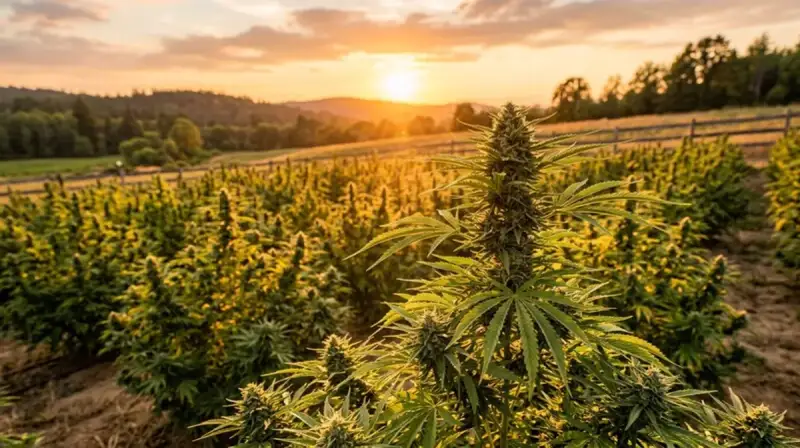
1.Maui Wowie is one of the oldest named cannabis strains, originating in Hawaii in the 1960s–70s as a pure sativa landrace developed for the island’s tropical climate.
2.THC range 17–22% — moderate-to-high potency for a sativa with a uniquely clean, non-anxious cerebral effect profile compared to modern high-THC hybrids.
3.Dominant terpenes: myrcene / terpinolene / ocimene — contributing the tropical pineapple/mango flavor profile that defines the strain.
4.The high is classically sativa: energetic euphoria, creative focus, sociability — duration 2–3 hours, minimal body sedation.
5.Maui Wowie’s genetics predate modern hybridization — it’s often used as a parent strain for creating tropical sativa hybrids (Maui x OG Kush, Maui x Trainwreck).
6.Outdoor growing thrives in warm tropical/subtropical climates — plants grow 6–10 feet tall with a long flowering period suited for outdoor Hawaiian-style cultivation.
7.Best for: morning use, hiking, creative work, social situations — not recommended for evening use or anxiety-prone users seeking relaxation.
Strain Overview & Genetics
Maui Wowie — sometimes spelled Maui Waui — is one of the most historically significant cannabis strains in existence. Cultivated on the Hawaiian islands beginning in the 1960s, it represents a true landrace sativa: a variety that developed naturally over generations in isolation, shaped entirely by Hawaii’s warm, humid, mineral-rich volcanic soil environment. This genetic purity makes it one of the few remaining benchmarks for what unadulterated tropical sativa genetics feel and taste like.
Unlike modern hybrids engineered for maximum THC output, Maui Wowie was never bred for potency alone. Its 17–22% THC range produces a high that many experienced users describe as cleaner and more functional than strains with 30%+ THC. The cerebral quality is bright without being overwhelming — a reflection of its balanced terpene chemistry rather than raw cannabinoid concentration.
Attribute
Detail
Genetics
Hawaiian landrace sativa (pure or near-pure)
Classification
Sativa dominant (90% sativa / 10% indica)
THC Content
17–22%
CBD Content
<0.5%
Origin
Hawaii, USA (1960s–1970s)
Seed Type
Regular / Feminized available
Notable Crosses
Maui x OG Kush, Maui x Trainwreck, Pineapple Express (partial lineage)
Effects Profile
Maui Wowie delivers a textbook sativa experience: fast-onset cerebral euphoria, sharpened creative thinking, and an outward social energy that makes it ideal for active daytime use. Unlike many high-THC sativas, it rarely produces anxiety or racing thoughts at standard doses — a characteristic likely tied to the balance of terpinolene and ocimene moderating the THC response.
Effect
Intensity
Duration
Best For
Euphoria
High
2–3 hrs
Mood elevation, positivity
Creativity
High
1.5–2.5 hrs
Art, writing, music
Energy
High
2–3 hrs
Hiking, exercise, outdoor activity
Sociability
Moderate
1.5–2.5 hrs
Social gatherings, conversation
Relaxation
Low
Minimal
Not a relaxation strain
Appetite Stimulation
Moderate
1–2 hrs
Medical appetite support
Terpene Profile
The terpene combination in Maui Wowie is unusual even by landrace standards. The presence of significant terpinolene and ocimene alongside myrcene creates a fresh, tropical-floral scent signature that few modern strains replicate. Terpinolene is associated with uplifting, alert mental states; ocimene contributes floral and fruity notes with potential antifungal properties suited to its humid island growing environment.
On the inhale, Maui Wowie delivers an unmistakable wave of sweet pineapple and mango that immediately signals its Hawaiian origin. The tropical fruit notes are forward and clear — not the synthetic fruitiness of some modern cultivars but a genuinely natural, ripe-fruit sweetness derived from the ocimene and terpinolene combination.
The exhale brings a citrus-herbal transition, with light pine from the alpha-pinene creating a clean, slightly astringent finish. Unlike earthy or fuel-forward strains, Maui Wowie leaves virtually no harsh aftertaste — a quality that makes it approachable for newer users and a pleasure for experienced ones who appreciate terpene complexity without heaviness.
The aroma of fresh, uncured Maui Wowie is striking: a burst of tropical sweetness that fills the room, often compared to freshly cut pineapple mixed with subtle floral notes. Dried flower maintains much of this aromatic quality, making it one of the most distinctive-smelling strains when jar-cured properly.
Growing Information
Maui Wowie is a moderately challenging strain due to its pure sativa genetics and long flowering time. It rewards growers in warm, sunny climates but requires patience — the 9 to 11-week flower period is longer than most commercial hybrids. Indoors, height control is necessary as plants can stretch aggressively during the vegetative phase.
Parameter
Detail
Difficulty
Medium
Indoor Yield
400–500g/m²
Outdoor Yield
800–1,000g/plant
Height
150–250cm
Flowering Time
9–11 weeks
Outdoor Harvest
Late October
Climate
Tropical / subtropical preferred; warm Mediterranean possible
Training
LST / topping recommended to control height indoors
Resistance
Good mold/mildew resistance due to tropical landrace heritage
Outdoor cultivation in genuine tropical or subtropical conditions produces spectacular results: plants regularly exceed 200cm and deliver 800g+ per plant in optimal Hawaiian-equivalent climates. For indoor growers in temperate regions, low stress training (LST) and topping are essential to keep height manageable under standard grow room ceilings.
Medical and Therapeutic Uses
While Maui Wowie is primarily recreational, its effect profile makes it genuinely useful for several medical applications. The energizing euphoria is particularly effective for conditions where fatigue and low mood are central symptoms, making it a preferred daytime option for patients who need to remain functional during treatment.
Depression: The serotonin-elevating euphoria provides reliable short-term mood relief without sedation
Fatigue / CFS: Energizing terpene profile supports mental and physical activation during low-energy periods
Mild pain: Sufficient for mild-to-moderate pain management without the heavy sedation of indica strains
PTSD: The uplifting, non-paranoid high can interrupt negative thought loops for anxiety-PTSD profiles
Appetite stimulation: Moderate munchies effect useful for chemotherapy-related appetite suppression
ADHD: Some patients report improved focus with low-moderate sativa doses — highly individual response
Similar Strains
If Maui Wowie’s tropical sativa profile appeals to you, these strains offer comparable effects and flavor characteristics: