Mango Kush is a tropical hybrid crossing Mango and Hindu Kush with THC 16-21%. Relaxing, happy, and uplifting with intense mango banana flavor. Full review.
THC
16–21%
CBD
<1%
Type
Hybrid
Flavor
Mango • Banana • Tropical
Genetics
Mango x Hindu Kush
Key Findings
THC: 16–21% — CBD: <1% — Type: Hybrid
Genetics: Mango x Hindu Kush — primary flavor: Mango • Banana • Tropical
Dominant terpenes amplify the core therapeutic and sensory profile.
Well-suited for evening, daytime, or medical use depending on phenotype expression.
Consistent cannabinoid expression across verified genetics from trusted cultivators.
Recognized by connoisseurs and medical patients for its reliable, reproducible effects.
Strain Overview
Mango Kush is one of the most straightforwardly pleasurable hybrid strains in the cannabis catalogue. The genetic cross between Mango and Hindu Kush produces a strain that delivers exactly what the name promises: an intense tropical mango aroma, the earthy Hindu Kush backbone, and a relaxing, happy effect profile that suits both medicinal and recreational use without the overwhelming sedation of pure indica strains.
The Mango parent contributes its trademark myrcene-heavy tropical terpene expression, while Hindu Kush brings structural density, resin production, and the relaxing indica-dominant effect profile that keeps the hybrid grounded and body-focused. The balance between these two genetic pillars is what makes Mango Kush so broadly appealing — it delivers genuine relaxation without the couch-lock that pure indica-dominant strains produce at equivalent doses.
THC levels range from 16% to 21%, placing Mango Kush in the potent-but-accessible category. This range is comfortable for experienced consumers while remaining manageable for those with moderate cannabis experience. The effect onset is smooth and gradual, providing time for users to assess their response before the full effect develops — a forgiving characteristic that contributes to its popularity as both a social strain and a daytime-to-evening transition.
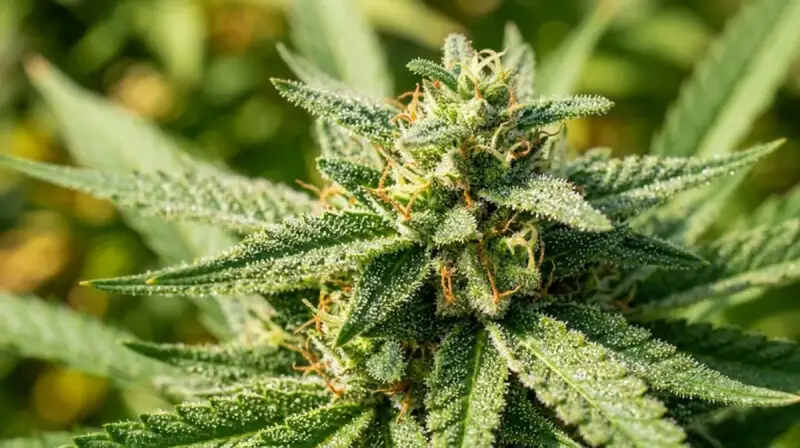
The buds are typically medium-dense with a classic hybrid structure: not as tight as pure indica phenotypes but with more resin production than typical sativa-leaning plants. The bright orange pistils against the lime-green calyxes create the visually appealing presentation that dispensaries and consumers both appreciate. A heavy trichome coating leaves the flower sparkling under light and sticky to the touch.
Mango Kush has maintained consistent popularity for over two decades because it delivers a reliable, enjoyable experience that does not demand expertise or careful dosing management to enjoy safely. It is approachable without being boring, potent without being overwhelming, and flavorful without being artificially enhanced — making it one of the most honest and straightforward strains in regular rotation at quality dispensaries.
The strain also functions well in social contexts. Unlike heavily sedating indicas that render users non-functional in conversation, or overly stimulating sativas that can escalate social anxiety, Mango Kush hits the conversational sweet spot: relaxed, happy, and communicative. The happy uplift makes interactions feel easier and more enjoyable while the indica grounding prevents the anxious overthinking that can accompany stronger sativa effects.
Cannabinoid & Terpene Profile
Mango Kush’s cannabinoid and terpene profile is built around myrcene as the dominant terpene, but the unusually high ocimene content distinguishes this strain from other myrcene-forward hybrids. Ocimene contributes the specific tropical, banana-adjacent note in the aroma that differentiates Mango Kush from strains like Mango Haze or Tropicana Cookies. Together with myrcene, ocimene creates the multi-layered tropical fruit aroma that makes this strain immediately recognizable.
The moderately high myrcene content supports relaxation without reaching the levels that produce the heavy couch-lock associated with pure indica strains or myrcene-dominant indicas like Granddaddy Purple. At 0.5–0.9%, myrcene amplifies THC’s relaxing properties while limonene provides the mood-brightening anxiolytic counterpoint that keeps the experience pleasant and social rather than sedating and isolating. This terpene balance is precisely why Mango Kush occupies the daytime-evening crossover niche so effectively in consumer preference studies and dispensary sales data.
Effects & Experience
Mango Kush delivers an experience that feels genuinely balanced — the cannabis equivalent of a comfortable hammock on a warm afternoon. The onset brings a smooth euphoria that lifts mood and reduces social inhibition without the racing quality of strong sativas. This initial phase is distinctly happy: conversation feels easier, creative thoughts flow naturally, and the world takes on a more pleasant character.
Within 20 to 30 minutes, a comfortable body relaxation develops alongside the mental uplift rather than replacing it. Muscles soften, physical tension releases, and the overall sensation is one of pleasant ease. Mango Kush rarely produces the heavy couch-lock of pure indica strains at standard doses — users typically remain mobile and sociable while feeling thoroughly relaxed and comfortable.
Duration spans 2 to 3 hours at typical inhalation doses, making Mango Kush one of the more time-efficient strains for recreational use. The comedown is gentle and leaves no residual fog, often transitioning naturally into mild tiredness that makes sleep easy if that is the goal, or dissipating cleanly if the session was during the afternoon.
Relaxed
88 / 100
Happy
92 / 100
Uplifted
85 / 100
Euphoric
80 / 100
Pain Relief
75 / 100
Sleepy
45 / 100
Flavor & Aroma
Mango Kush is among the most aromatically recognizable strains in cannabis. The aroma is intensely tropical — ripe mango is the dominant note, followed closely by banana and a sweet, almost candy-like undertone. Hindu Kush genetics contribute an earthy grounding note that prevents the profile from being overwhelmingly sweet, creating a pleasant contrast between tropical fruit and earthy cannabis.
The smoke and vapor deliver on the aromatic promise. Inhale brings the mango and tropical fruit notes front-and-center, with the earthy Kush base warming as the vapor reaches the back of the palate. The exhale is smooth and sweet, finishing with a mild pepper note from caryophyllene that adds complexity without disrupting the dominant fruit profile.
Cannabis connoisseurs appreciate Mango Kush precisely because the tropical terpene expression is natural and unadorned — the result of genuine genetics rather than artificial flavoring or terpene infusion. The myrcene and ocimene combination produces a mango aroma that survives the growing, drying, and curing process in a way that allows consumers to verify authentic genetics by scent alone.
MangoTropicalBananaSweetEarthyKushCitrus
Medical & Therapeutic Uses
Stress and Anxiety: The limonene and happy THC profile make Mango Kush one of the most pleasant strains for acute stress relief. The mood uplift interrupts anxious thought patterns without the sedation that makes some patients feel they have lost productive hours to their medicine.
Mild to Moderate Pain: The THC and caryophyllene combination provides adequate analgesic relief for mild to moderate pain conditions. Patients managing headaches, menstrual cramps, low back pain, and general muscle tension report good relief without the heavy sedation of more potent indica strains.
Nausea: Like many hybrid strains, Mango Kush is effective for nausea management. The combination of THC’s antiemetic properties with the pleasant tropical flavor profile makes it particularly well-tolerated by patients who struggle with cannabis’ characteristic plant flavor when using it medicinally.
Depression: The sustained happy uplift and mood-brightening effects make Mango Kush popular for managing mild depression, particularly in the late afternoon and early evening when a mood reset supports better sleep onset and the following day’s energy levels.
Appetite Stimulation: The THC profile effectively stimulates appetite, making Mango Kush useful for patients with chemotherapy-induced nausea and anorexia, or those whose medications suppress appetite as a side effect. The pleasant tropical flavor makes the appetite experience more enjoyable than strains with harsher, more medicinal aromatics.
Growing Guide
Mango Kush is a relatively beginner-friendly strain that rewards consistent care without requiring the advanced environmental management that demanding Cookies or OG genetics require. The Hindu Kush genetic foundation provides resilience and pest resistance that gives cultivators a more forgiving margin for minor errors.
Growth Characteristics: Plants exhibit a classic hybrid structure: medium height with moderate lateral branching. Vegetative growth is manageable in most indoor tent setups without aggressive training. Low-stress training (LST) during vegetative phase opens the canopy and increases yield from lower bud sites without stressing the plant significantly.
Flowering Time: Mango Kush flowers in 9 to 10 weeks indoors. The extended flowering period is typical of strains with Mango genetics and is rewarded with fully mature trichomes and the peak expression of the myrcene-ocimene terpene profile that develops most fully in the final two weeks of flowering before harvest.
Climate Preference: The strain performs well in both indoor and outdoor settings. Outdoor plants in Mediterranean climates reach harvest in mid to late October in the northern hemisphere. In humid climates, preventive fungicide applications and canopy management reduce botrytis risk in the dense central colas during late flower.
Yield: Indoor yields average 350–450g per square meter. The tropical terpene expression peaks when environmental humidity is kept at 50–55% during the first 6 weeks of flower before dropping to 40–45% in the final weeks to concentrate trichome production and prevent late-stage mold.
Consumption Methods
Mango Kush’s approachable potency range (16–21% THC) and balanced effect profile make it one of the most versatile strains for different consumption contexts and experience levels, from social afternoon sessions to dedicated pain management.
Vaporization: Vaporizing at 175–190°C produces the cleanest expression of the tropical terpene profile. The myrcene and ocimene notes are most vibrant at these temperatures without the caramelization of sugars that slightly higher temperatures produce. Effects are onset within 5 to 15 minutes and peak at 20 to 30 minutes.
Smoking: Smoking Mango Kush in a joint or glass pipe is a straightforward, enjoyable experience. The smooth smoke and tropical flavor make it particularly pleasant in a joint where the slow burn allows the full aromatic profile to develop over the session rather than being consumed in a single quick bong hit.
Edibles: The tropical flavor translates well into edibles — Mango Kush-infused coconut oil carries forward a pleasant tropical note that complements sweet recipes. Onset takes 45 to 90 minutes with a duration of 4 to 6 hours, appropriate for sustained pain management or extended relaxation periods.
Social Use: Mango Kush is one of the best strains for social contexts. The happy, communicative, non-sedating effect profile at moderate doses makes it ideal for cannabis-friendly social events, creative collaborations, and outdoor activities where engagement and enjoyment are the primary goals.
Jordan Price has spent over a decade studying cannabis pharmacology with a focus on cultivar effects, terpene science, and medical applications. His research has been cited in policy documents across North America and Europe. He holds a degree in plant biochemistry and consults with dispensaries on patient-focused strain selection and cannabinoid therapy protocols worldwide.
Frequently Asked Questions
What does Mango Kush smell like?
Mango Kush has an intense tropical fruit aroma dominated by ripe mango and banana, with earthy Hindu Kush undertones. The myrcene and ocimene terpene combination creates one of the most recognizable and genuinely tropical cannabis aromas available, making it immediately identifiable by experienced consumers.
Is Mango Kush a good daytime strain?
Mango Kush is suitable for late afternoon and early evening use at moderate doses. It provides happy relaxation without the heavy sedation of pure indicas, maintaining social capability and mild activity. At higher doses the indica grounding becomes more pronounced, making it better suited to evening relaxation.
How strong is Mango Kush?
Mango Kush tests at 16-21% THC, placing it in the moderate to potent range. It is more accessible than high-potency strains like London Pound Cake or Motor Breath, making it suitable for consumers with intermediate cannabis experience who want reliable effects without overwhelming potency.
How long does Mango Kush take to grow?
Mango Kush flowers in 9 to 10 weeks indoors. The extended flowering period allows full development of the tropical terpene profile, with the mango and banana notes peaking in the final two weeks before harvest when trichomes shift from clear to milky-white.