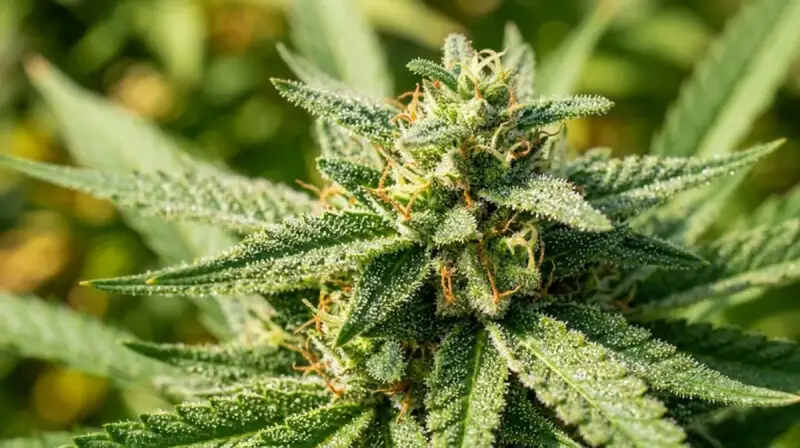
A fuel-forward powerhouse born from Giesel and Bio-Diesel, Bio-Jesus hits with cerebral clarity before settling into a deep, full-body sedation. With THC levels regularly testing between 20-28%, this strain demands respect from even the most seasoned consumers.
THC
20–28%
Type
Hybrid
Genetics
Giesel × Bio-Diesel
Flavors
Diesel · Cheese · Earth
Key Findings
THC content of 20–28% places Bio-Jesus firmly in the high-potency category — not recommended for first-time users.
The onset is characteristically cerebral: a rush of mental energy and sharpened focus that gradually transitions into heavy body relaxation.
Dominant terpenes — Myrcene, Caryophyllene, and Limonene — contribute to its distinctive diesel-cheese-earth aroma.
Medical cannabis patients report relief from chronic pain, muscle spasms, depression, and appetite loss.
Indoor flowering time is approximately 9–10 weeks with moderate growing difficulty.
Overview: What Makes Bio-Jesus Unique
Bio-Jesus occupies a distinctive position in the cannabis world: it combines the sharp, pungent fuel notes of its Bio-Diesel parent with the creamy, funky cheese character inherited through Giesel. The result is a strain that smells bold, tastes complex, and delivers an experience that evolves dramatically over time.
The Giesel side contributes a potent sativa-leaning cerebral rush — users frequently report heightened sensory awareness, creative thinking, and an almost electric mental alertness in the first 20-30 minutes. The Bio-Diesel genetics then take over, pulling the experience toward a warm, heavy body stone that can anchor even active users to their couch.
Visually, Bio-Jesus buds are dense and resin-coated, often showcasing deep green calyxes laced with amber trichomes and fiery orange pistils. The curing process intensifies the cheese and diesel notes considerably, making properly cured Bio-Jesus among the most pungent strains in any dispensary.
The name itself — deliberately provocative — reflects the strain’s reputation among enthusiasts as something of a revelation: one hit and many users report wondering where this strain has been their entire lives. It’s that potent, that distinctive, and that memorable.
Cannabinoid & Terpene Profile
Bio-Jesus’s chemical composition explains both its potency and its multi-phase effect profile. High THC content combined with a rich terpene palette creates what researchers call the entourage effect — a synergistic interaction between cannabinoids and aromatic compounds.
Compound
Level
Role in Experience
THC (Δ9-Tetrahydrocannabinol)
20–28%
Primary psychoactive compound; drives cerebral onset and body sedation
CBD (Cannabidiol)
~0.1–0.3%
Trace levels; minimal buffering of THC intensity
CBG (Cannabigerol)
~0.5–1%
May contribute to focus and neuroprotective qualities
Myrcene
Dominant
Earthy, musky base note; enhances THC absorption, amplifies sedation
Caryophyllene
High
Spicy, peppery; anti-inflammatory via CB2 receptor binding
Limonene
Moderate
Citrus brightness cutting through diesel; mood-elevating
Humulene
Low-Moderate
Hoppy, earthy; potential appetite suppression and anti-inflammatory
Effects: Cerebral Rush to Full-Body Sedation
Few strains deliver such a clear, two-act experience as Bio-Jesus. Act One arrives within minutes: a wave of cerebral euphoria that sharpens thoughts, heightens sensory perception, and generates a sense of motivated energy. Conversations flow easily, creative ideas surface rapidly, and there’s a general sense of well-being that borders on elation.
Act Two — typically beginning 45-90 minutes in — is where Bio-Jesus earns its name. The mental buzz plateaus and a profound body relaxation descends from shoulders to fingertips. Muscles unwind, tension dissolves, and the motivation of Act One gives way to a contented, heavy calm. Higher doses accelerate this transition and deepen the sedation considerably.
Common reported effects include: intense euphoria, creative thinking, focused mental clarity (early), deep relaxation, body heaviness, couch-lock (moderate-to-high doses), sleepiness (high doses), and munchies. Negative effects at high doses can include anxiety, paranoia, and dry eyes/mouth — all typical of very high THC strains.
Best consumed in the late afternoon or evening given the sedating second phase. Day-use is possible at micro-doses but the body component makes sustained activity challenging for most users.
Flavor & Aroma: Diesel, Cheese, and Deep Earth
Open a jar of Bio-Jesus and the room knows it immediately. The aroma is aggressive and proud: sharp diesel fuel at the forefront, layered with a creamy, pungent cheese note that rounds out the harshness. Underneath both sits a dark, loamy earthiness that grounds the profile and prevents it from being one-dimensional.
On the inhale, the diesel character is unmistakable — it coats the palate with a fuel-like sharpness that experienced sativa and diesel-strain lovers find deeply satisfying. The exhale reveals the cheese complexity more clearly: a savory, almost funky creaminess that lingers on the back of the throat. A faint herbal sweetness emerges as the vapor or smoke dissipates.
The flavor profile is not for everyone — those who prefer sweet, fruity strains will find Bio-Jesus challenging. But for enthusiasts of diesel genetics, it’s considered one of the most authentic and well-developed expressions of this flavor family available.
Medical Applications
Bio-Jesus has developed a devoted following in the medical cannabis community, primarily for its effectiveness against conditions that require potent THC intervention. The combination of cerebral uplift and deep physical relaxation makes it a versatile therapeutic tool.
Chronic Pain
The high THC content and myrcene dominance provide significant relief for neuropathic and inflammatory pain conditions that resist lower-THC options.
Muscle Spasms
The indica-leaning body effect provides powerful muscle relaxation, beneficial for MS patients, fibromyalgia sufferers, and post-exercise recovery.
Depression
The initial euphoric phase can lift mood substantially, providing temporary relief from depressive episodes and emotional heaviness.
Appetite Loss
Strong appetite stimulation makes this strain valuable for patients dealing with chemotherapy-related nausea or eating disorders.
Insomnia
Evening use at moderate-to-high doses frequently results in deep, restful sleep — particularly useful for those whose insomnia has a pain component.
Stress & Anxiety
Low-to-moderate doses can be effective for stress relief, though high doses risk amplifying anxiety in sensitive individuals.
Note: Medical cannabis information is educational. Consult a healthcare professional before using cannabis medicinally.
Growing Bio-Jesus
Bio-Jesus is considered a moderately challenging strain to cultivate — rewarding for intermediate growers but potentially frustrating for beginners due to its specific environmental preferences and tendency toward vigorous stretch during early flower.
Indoor Growing: This strain performs best indoors where temperature, humidity, and light cycles can be precisely controlled. The vegetative phase benefits from moderate nitrogen feeding and training techniques such as LST (low-stress training) or topping to manage the stretch that occurs when flipping to 12/12. Expect plants to nearly double in height during the first two weeks of flowering.
Indoor flowering time runs approximately 9–10 weeks. Optimal temperature range is 68–78°F (20–26°C) with relative humidity dropping from 50–60% in veg to 40–50% in early flower and 35–45% in late flower to prevent mold in the dense colas. Yield indoors is moderate-to-high: approximately 400–500g per square meter under 600W or equivalent LED.
Outdoor Growing: Bio-Jesus can thrive outdoors in Mediterranean-type climates with warm, dry autumns. It’s sensitive to cold snaps and persistent humidity, which can trigger botrytis (bud rot) in the characteristically dense buds. Harvest outdoors typically falls in mid-to-late October in the Northern Hemisphere. Plants can reach 150–200cm when given adequate root space.
Nutrients: Bio-Jesus is a moderately heavy feeder. It benefits from a standard cannabis nutrient regimen with particular attention to calcium and magnesium to support dense bud development and prevent deficiencies under high-intensity lighting.
The aroma during flowering is intensely pungent — serious carbon filtration is non-negotiable for any discreet indoor grow. The diesel and cheese notes begin developing as early as week 3 of flower and intensify significantly through harvest and curing.
Consumption Methods & Dosing
The optimal consumption method for Bio-Jesus depends heavily on your experience level and desired outcome. Given its high THC ceiling, careful dosing is essential regardless of method.
Vaporization (Recommended): Vaporizing at 190–205°C (374–401°F) provides the cleanest expression of the terpene profile. The diesel and cheese notes are most distinct at these temperatures, and users can more precisely control dose delivery. Start with a single draw and wait 5 minutes before reassessing.
Smoking: Traditional smoking remains popular for Bio-Jesus. The combustion adds a characteristic harshness that some find enhances the diesel character. A single hit from a well-packed bowl is sufficient for most moderately experienced users. The effects onset faster via smoking (2–5 minutes) than edibles.
Edibles: Edible preparations of Bio-Jesus are extremely potent due to the high THC starting material. A dose of 5mg THC is a reasonable starting point; the full experience takes 60–90 minutes to develop and can last 4–8 hours. The body sedation is substantially amplified compared to inhalation methods.
Concentrates: Bio-Jesus resin extract and live rosin preserve the terpene complexity beautifully. Dab temperatures should be kept low (315–450°F) to avoid destroying the delicate aromatic compounds. Even experienced consumers should exercise extreme caution with concentrates of this strain.
Similar Strains to Bio-Jesus
If Bio-Jesus appeals to you, these related strains share comparable genetics, effects, or flavor profiles and are worth exploring:
Jordan has spent over a decade studying cannabis genetics, terpene chemistry, and cultivation practices. His reviews combine hands-on growing experience with deep biochemical knowledge to give consumers accurate, actionable strain information.
Frequently Asked Questions
Is Bio-Jesus good for beginners?
Bio-Jesus is not recommended for beginners. THC levels of 20–28% make this strain very potent, and the two-phase effect — cerebral rush followed by heavy sedation — can be overwhelming for those unaccustomed to high-THC cannabis. New users should start with strains testing below 15% THC and work up gradually. Experienced consumers who enjoy diesel genetics and strong body effects will find Bio-Jesus extremely rewarding.
How long do the effects of Bio-Jesus last?
When smoked or vaporized, the effects of Bio-Jesus typically last 2–3 hours, with the cerebral phase lasting 45–90 minutes before transitioning to body sedation. Heavy doses can extend the experience to 4+ hours. Edibles prepared with Bio-Jesus can produce effects lasting 4–8 hours given the high THC content. The intensity and duration depend significantly on individual tolerance, dose, and consumption method.
What makes Bio-Jesus smell so strong?
The intense aroma of Bio-Jesus comes from its exceptionally high terpene density, particularly myrcene, caryophyllene, and limonene. The diesel character is largely driven by the volatile sulfur compounds (VSCs) inherited from its Chemdawg-lineage ancestors via Bio-Diesel. The cheese note comes from specific terpene and thiols combinations that developed through the Giesel parent. Proper curing for 4–8 weeks intensifies all these aroma compounds significantly.
Can Bio-Jesus be used during the day?
Technically yes, but most users find Bio-Jesus better suited for late afternoon or evening use. The initial cerebral phase can support creative or conversational activities, but the inevitable transition to heavy body sedation makes sustained daytime productivity difficult. Micro-dosing — using very small amounts (one or two draws from a vaporizer) — can leverage the mental clarity phase while minimizing the sedating body effect, making limited daytime use practical for high-tolerance consumers.