









June 9, 2022: The Day Thailand Shocked the Cannabis World
Published June 9, 2022 — By Ann Karim, Senior Cannabis Editor
- Thailand removed cannabis from its list of controlled narcotics on June 9, 2022 — one of the most dramatic cannabis policy shifts globally that year.
- Health Minister Anutin Charnvirakul drove the change, framing cannabis as an agricultural and health product.
- Over 1 million cannabis plants held in government storage were released to citizens and farmers overnight.
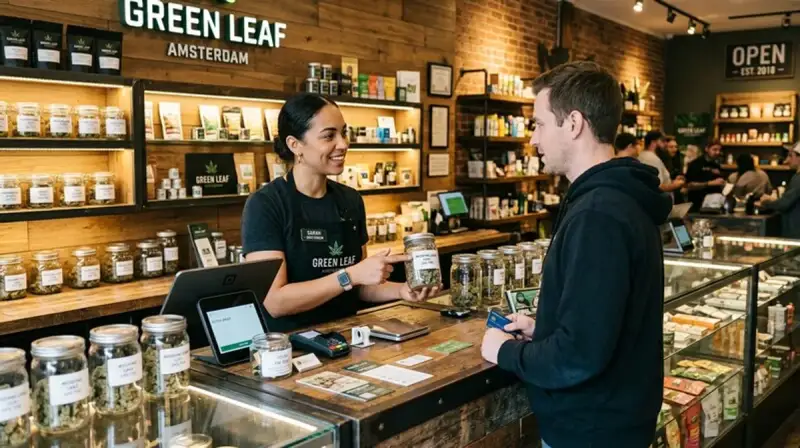
- An estimated 3,500 cannabis cafes and shops opened across Thailand within months of the change.
- Thailand has a long traditional history of cannabis use in cooking and herbal remedies, predating modern prohibition.
- The policy created a complex legal situation for tourists in Thailand and international visitors.
The Political Figure Who Made It Happen
In a region where cannabis offenses had historically carried severe penalties including lengthy prison sentences and in some neighboring countries the death penalty, Thailand’s June 9, 2022 removal of cannabis from its narcotics list was genuinely shocking to international observers. The man most responsible for the change was Anutin Charnvirakul, Health Minister and leader of the Bhumjaithai party, who had campaigned explicitly on cannabis legalization as an agricultural and rural development policy rather than a progressive drug reform measure.
The political framing was deliberate and shrewd: in a conservative Buddhist country, positioning cannabis as a traditional herbal medicine and an income-generating crop for rural farmers was far more politically viable than framing it as recreational drug liberalization. Thailand had a documented historical tradition of using cannabis in cooking and folk medicine before it was prohibited under pressure from international drug control treaties in the 20th century. Anutin’s campaign connected cannabis reform to that traditional heritage rather than to Western recreational legalization models.
The practical mechanics of the June 9 change were extraordinary. Not only was cannabis removed from the narcotics list, but over one million cannabis plants that had been held in government-controlled storage — seized plants, confiscated inventory, and government cultivation stock — were released to farmers and citizens. The government symbolically distributed free cannabis plants to citizens in public ceremonies on the day of the change, a theatrical gesture that underscored the completeness of the policy reversal. For anyone tracking Asian cannabis law, the images were surreal.
“Cannabis is a gift from nature. Our ancestors used it for health and cooking. We are returning this gift to the Thai people.” — Health Minister Anutin Charnvirakul, June 2022
The Market Explosion That Followed
The speed of market development after June 9, 2022 surprised even the most optimistic advocates. Within weeks, cannabis dispensaries and cannabis-themed cafes were opening across Bangkok, Phuket, Chiang Mai, Pattaya, and tourist areas at a rate that suggested enormous suppressed entrepreneurial energy had been waiting for exactly this legal opening. Estimates from Thai business associations suggested over 3,500 cannabis retail outlets had opened within a few months of the narcotics list change — a pace that dramatically outstripped the regulatory infrastructure the government had planned to put in place.
The absence of a comprehensive commercial regulatory framework at the moment of legalization meant that the market developed organically, without the licensing requirements, product testing standards, or age verification systems that more methodical legalization processes in the US and Canada had established. For cannabis tourists visiting Thailand, this created a uniquely permissive environment where cannabis was practically available with minimal restriction in most tourist areas — while the legal framework remained technically ambiguous about recreational use versus medical and wellness consumption.

The Legal Ambiguity and Its Consequences
Thailand’s legalization created an unusual legal situation: cannabis was off the narcotics list, but a comprehensive recreational cannabis law had not been enacted. Public smoking in certain spaces remained subject to nuisance laws. The government repeatedly signaled it intended to introduce restrictions on purely recreational adult use while maintaining access for medical and wellness purposes. This created ongoing uncertainty for businesses, investors, and international visitors trying to navigate the legal cannabis landscape.
For tourists, the practical reality was that cannabis was widely available and openly sold in most tourist areas with minimal practical restriction in 2022 and into 2023. However, the legal ambiguity meant that both businesses and consumers operated with an awareness that the regulatory environment could shift. Thailand became an unexpected destination on the cannabis tourism map, attracting visitors from neighboring countries where penalties remained harsh, and sparking concern from regional governments about cross-border cannabis tourism flows from prohibition jurisdictions.
What Thailand’s Move Meant Regionally
In Southeast Asia, where cannabis had been treated as a serious criminal matter in most jurisdictions, Thailand’s move was a regional anomaly of significant consequence. Neighboring countries including Malaysia, Singapore, and Indonesia maintained among the world’s harshest cannabis penalties. Thailand’s dramatic reversal demonstrated that the region was not monolithic on cannabis policy and opened a political debate in countries that had long treated prohibition as the only conceivable policy option. Whether Thailand’s example would ultimately spread regional reform or remain an isolated exception remained to be seen, but the global conversation about cannabis legalization in Asia had been fundamentally altered by the events of June 9, 2022.