










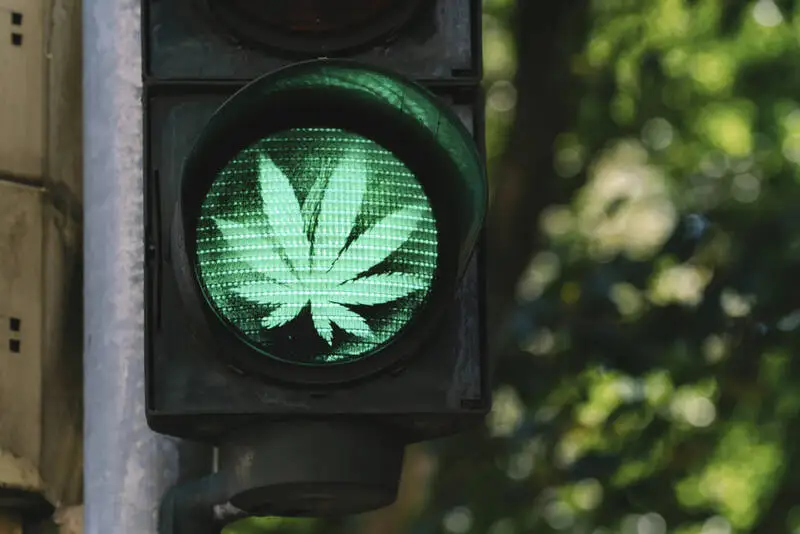
November 3, 2020: Oregon Does What No US State Had Ever Done
Published November 3, 2020 — By Ann Karim, Senior Cannabis Editor
- Oregon’s Measure 110 passed 58.5% to 41.5% on November 3, 2020
- Decriminalized personal possession of ALL controlled substances including heroin, meth, cocaine, and MDMA
- Criminal charges replaced by a $100 civil fine, waivable by completing an optional drug addiction screening
- Redirected cannabis tax revenue (approximately $100M annually) to a new statewide addiction treatment network
- Explicitly modeled on Portugal’s 2001 decriminalization, which produced significant public health improvements
- Oregon recriminalized small amounts of most drugs in 2024 after evaluating the evidence, while retaining treatment funding
What Measure 110 Did: Beyond Cannabis, Beyond Anything Before
When Oregon voters passed Measure 110 on November 3, 2020, the immediate impact on cannabis users in the state was minimal — Oregon had legalized recreational cannabis in 2014, and possession charges were already a distant memory for most consumers. But Measure 110 was not primarily about cannabis. It was about applying the same harm-reduction logic that had made cannabis legalization a public health success to every other controlled substance in the state.
The measure’s core provision was elegantly simple: personal possession of small amounts of any controlled substance would no longer be a crime. Possession of up to one gram of heroin, two grams of cocaine, two grams of methamphetamine, 40 pills of oxycodone, or one gram of MDMA would result in a Class E civil violation with a $100 fine. That fine could be waived entirely by calling a hotline and completing a health screening. The police could not arrest you. You would not have a criminal record. The court system would not be involved.
The measure’s second major component was the funding mechanism. Oregon’s cannabis excise tax revenue — approximately $45-100 million annually depending on market conditions — would be redirected from general state funds to a new Behavioral Health Resource Network. This network would fund addiction treatment, recovery housing, harm reduction services including needle exchanges, peer support programs, and other community-based services. The connection between cannabis legalization revenue and broader drug harm reduction funding was direct and explicit.
“People need health care, not handcuffs. Oregon is treating addiction as a health issue, not a criminal justice issue. That is what the science demands.” — Measure 110 campaign, November 2020
The Portugal Model: What Oregon Was Trying to Replicate
Portugal decriminalized personal possession of all drugs in 2001 — the same year Oregon was still arresting thousands of people annually for cannabis possession. The Portuguese model replaced criminal charges with Dissuasion Commissions: administrative bodies composed of social workers, legal experts, and health professionals who assessed each case and could refer individuals to treatment, impose minor sanctions, or suspend proceedings for first-time offenders with no addiction issues.
The Portuguese outcomes over two decades were striking. HIV infection rates among people who inject drugs fell dramatically. Drug-related deaths declined. Drug use rates did not significantly increase. The prison population fell. The system redirected resources from enforcement toward treatment, producing better public health outcomes at comparable or lower cost. Measure 110 advocates brought Portuguese public health officials to Oregon to testify about the evidence during the campaign.
Oregon’s implementation differed from Portugal’s in important ways. The $100 civil fine with optional screening was simpler than Portugal’s multi-member commissions but also less tailored. The screening mechanism was a phone call to a voluntary hotline — many people who received citations simply paid the $100 or ignored the citation entirely, without engaging with treatment. The infrastructure to deliver on the treatment promise was slow to materialize. For cannabis users specifically, drug testing remained a separate concern: decriminalization of possession does not affect employer drug testing policies, which continued to affect Oregon workers regardless of Measure 110.

Cannabis’ Role in Funding the Decriminalization Experiment
The funding mechanism of Measure 110 created a direct policy link between cannabis legalization and broader drug harm reduction that advocates saw as both practical and symbolic. Oregon’s legal cannabis market had been generating significant tax revenue since 2015, and by 2020 those revenues were well established and growing. Directing that revenue to addiction treatment for all drugs created a powerful argument: legal cannabis not only removes criminal penalties for cannabis users, it funds help for people struggling with harder drugs.
This framing allowed Measure 110 to build a coalition that extended well beyond cannabis users. Healthcare advocates, harm reduction organizations, social justice groups, and religious organizations that might not otherwise have supported drug policy reform found common cause in the treatment funding dimension. The Oregon Medical Association supported the measure. Numerous police unions did not actively oppose it, an unusual posture given law enforcement’s historical opposition to drug decriminalization.
For the cannabis legal landscape broadly, Oregon’s experiment demonstrated both the potential and the limits of using cannabis legalization as a platform for broader drug reform. The potential is clear: cannabis tax revenue is real and substantial. The limits are also clear: tax revenue alone does not build a treatment system. Infrastructure, workforce training, facility development, and sustained political will are required to convert funding into functioning services. Other US states watching Oregon’s experience drew lessons about both the vision and the implementation challenges of linking cannabis legalization to broader drug harm reduction policy.
The 2024 Recriminalization: What Happened and What It Means
In February 2024, Oregon’s Democratic-controlled legislature voted to recriminalize personal possession of small amounts of most drugs, returning to criminal misdemeanor charges for possession while retaining the treatment funding provisions of Measure 110. The decision reflected a genuine policy assessment: the implementation had been too slow, the treatment infrastructure had not scaled fast enough to serve the people the law was supposed to help, and the state’s fentanyl crisis had overwhelmed the system that Measure 110’s architects had envisioned.
The recriminalization does not negate what Oregon’s experiment demonstrated. It showed that decriminalization can pass at the ballot box with 58.5% support in a US state. It showed that cannabis tax revenue can fund meaningful treatment infrastructure. It showed that implementation matters as much as legislation. And it showed that public support for harm-reduction approaches can erode if outcomes are perceived to have worsened during the experiment period, regardless of what the full evidence shows.
For cannabis consumers and advocates, Oregon’s Measure 110 story — from historic passage to recriminalization in four years — is a complete and instructive arc. Cannabis legalization has proven durable wherever it has been implemented; broader drug decriminalization in Oregon demonstrated both its promise and the conditions required to make it work. Our effects guide and medical cannabis resources reflect the evolving evidence base for cannabis specifically, which remains among the most thoroughly studied aspects of drug policy reform.