










The Gedoogbeleid Paradox: Selling What You Cannot Legally Buy
Published January 15, 2024 — By Ann Karim, Senior Cannabis Editor
- Dutch coffeeshops have legally sold cannabis since 1976 but sourced it from illegal supply until 2023
- Wietexperiment began supplying legal cannabis to pilot cities in late 2023
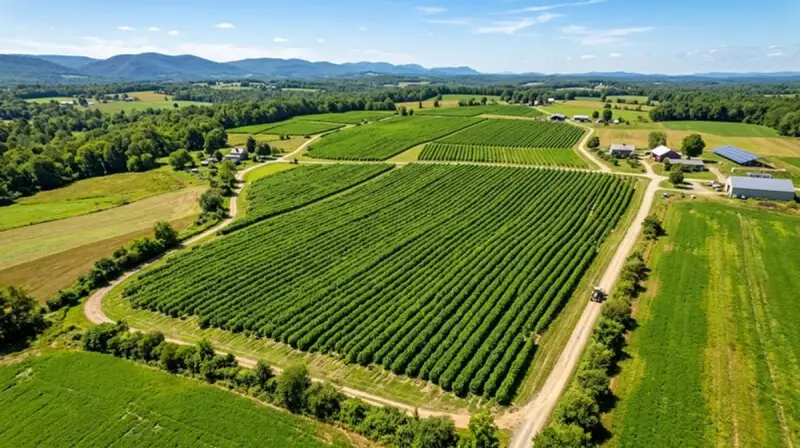
- 40+ licensed growers supply cannabis under strict government protocols
- Participating coffeeshops must exclusively use legal supply during the experiment
- Amsterdam was excluded from the initial pilot phase
- Experiment duration set at four years, with results informing potential national legislation
30 Years of Selling What You Cannot Legally Source
The Netherlands’ cannabis policy has been defined for decades by one of drug policy’s most famous paradoxes: coffeeshops were tolerated to sell cannabis to adults, but the cultivation and wholesale supply of that same cannabis remained fully illegal. This “front door open, back door closed” contradiction meant every gram of cannabis sold in a Dutch coffeeshop or any other coffeeshop in the Netherlands had arrived through criminal supply chains. The system created structural links between the tolerated cannabis retail sector and organized crime — a situation that Dutch law enforcement, public health officials, and coffeeshop owners themselves had criticized for decades. The wietexperiment (cannabis experiment) was the government’s answer: a carefully controlled pilot program allowing licensed growers to legally supply cannabis to participating coffeeshops in designated cities. The first deliveries of legal, laboratory-tested, fully tracked cannabis reached pilot city coffeeshops in late 2023, with the program ramping up into early 2024. For the first time in over 30 years of Dutch cannabis tolerance, the entire supply chain from seed to sale was operating legally in participating cities. Our detailed Netherlands cannabis guide covers the full gedoogbeleid history and current rules.
“For the first time in 30 years, I know exactly where my cannabis comes from. It feels completely different.” — Dutch coffeeshop owner, participating in the wietexperiment
How the Wietexperiment Works: Growers, Cities, and Rules
The wietexperiment operates under a detailed framework developed over years of political negotiation. Ten municipalities were selected for the initial pilot: Breda, Tilburg, Arnhem, Nijmegen, Almere, Groningen, Heerlen, Maastricht, Zaandam, and Helmond. Amsterdam — home to the country’s largest concentration of coffeeshops — was notably excluded from Phase 1, a decision that drew criticism from Amsterdam’s mayor and coffeeshop industry. Licensed growers must meet pharmaceutical-grade cultivation and testing standards, with every batch tested for potency and contaminants before delivery. Participating coffeeshops must switch exclusively to legal supply for the duration of the experiment, eliminating grey-market sourcing entirely. The four-year experimental period is intended to generate sufficient data on quality, pricing, public health outcomes, and criminal network impact to inform a decision on whether to nationalize the model. Cannabis tourists visiting pilot cities can in theory access legal-supply cannabis at participating coffeeshops — the town-pass system that restricted coffeeshops to local residents was relaxed in several cities to allow tourist access. Check our cannabis travel guide for which cities currently allow visitors.
The Amsterdam Question: Why the Biggest Market Was Left Out
The exclusion of Amsterdam from the wietexperiment’s initial phase was politically contentious. Amsterdam houses over 150 coffeeshops generating hundreds of millions of euros in revenue annually, and the city’s coffeeshop economy is deeply tied to its identity as Europe’s premier cannabis tourism destination. Amsterdam mayor Femke Halsema had been a vocal critic of the gedoogbeleid paradox and actively lobbied for inclusion in the pilot. The central government’s decision to start with smaller cities was pragmatic — managing logistical complexity and limiting political risk — but frustrated Amsterdam stakeholders who pointed out that excluding the largest market limited the experiment’s real-world data value. As the pilot expanded through 2024, pressure to include Amsterdam intensified. Meanwhile, Amsterdam coffeeshops continued operating under the old grey-market supply system, creating a visible two-tier Dutch cannabis reality: legal supply in pilot cities, illegal supply in the capital. For Germany and other countries watching the Dutch experiment for guidance on their own commercial supply designs, the Amsterdam exclusion was a conspicuous gap in an otherwise instructive dataset. The global cannabis laws page tracks the experiment’s latest expansion status.
What the Wietexperiment Means for European Cannabis Policy
The Dutch wietexperiment represents the most significant structural change to European cannabis policy since the original gedoogbeleid was formalized in 1976. By creating a regulated, transparent supply chain from licensed cultivation to licensed retail, the Netherlands is generating real-world data on what legal cannabis supply actually looks like in practice — data that policymakers in Germany, France, and beyond are watching closely. Early results from pilot cities suggested quality improvements, price stability, and no evidence of increased youth consumption — key metrics that reformers need to make the political case for expansion. The experiment also demonstrated that coffeeshop owners, when given a legal supply option, overwhelmingly preferred it: the compliance rate among participating shops was near-total. For cannabis enthusiasts planning a visit to the coffeeshops of the Netherlands, the wietexperiment cities now offer something genuinely new: cannabis you can trace from field to counter, tested and certified by the Dutch government. Use the drug test calculator before returning home from any coffeeshop visit.